



Gallery - 2024
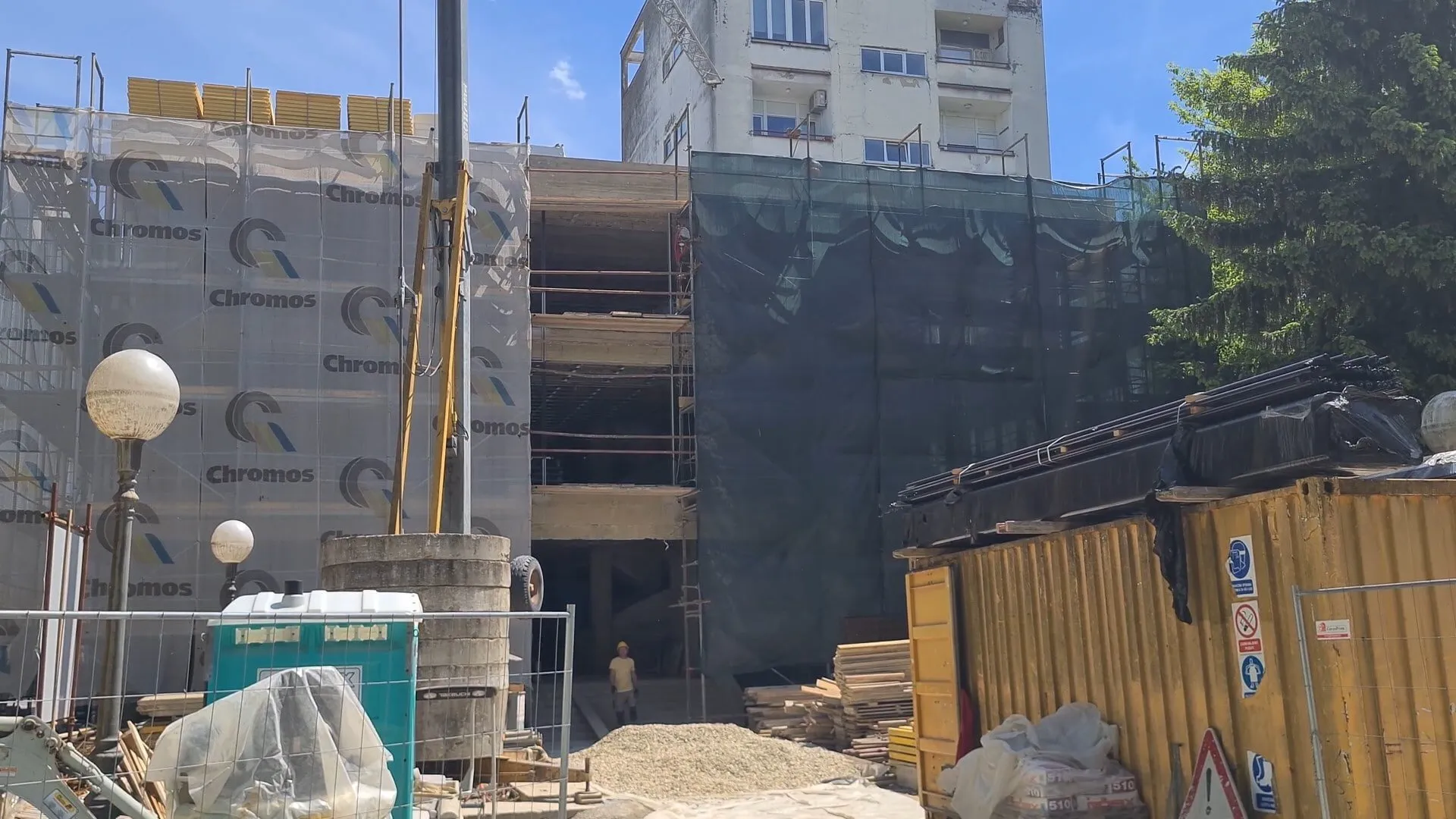
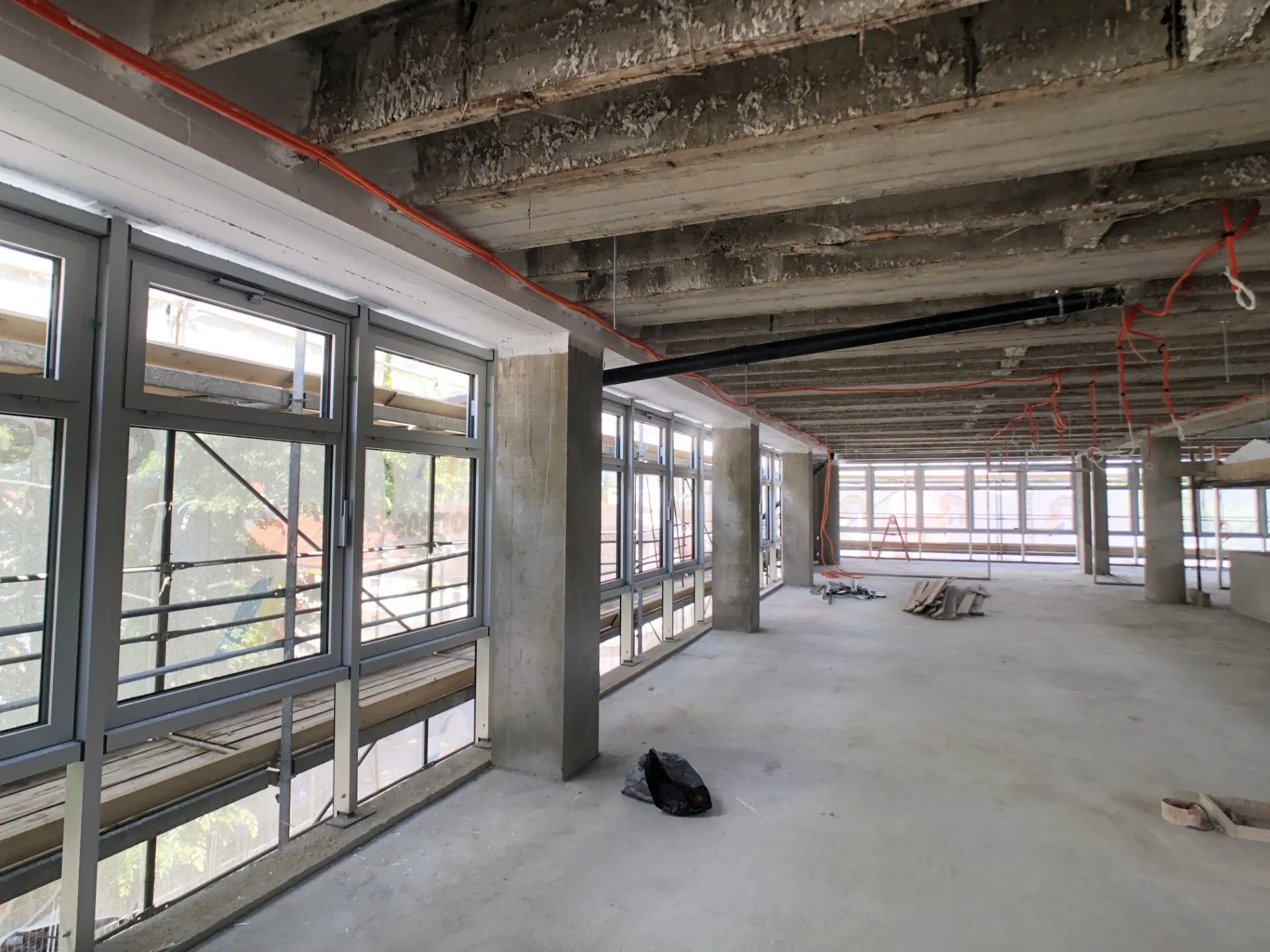
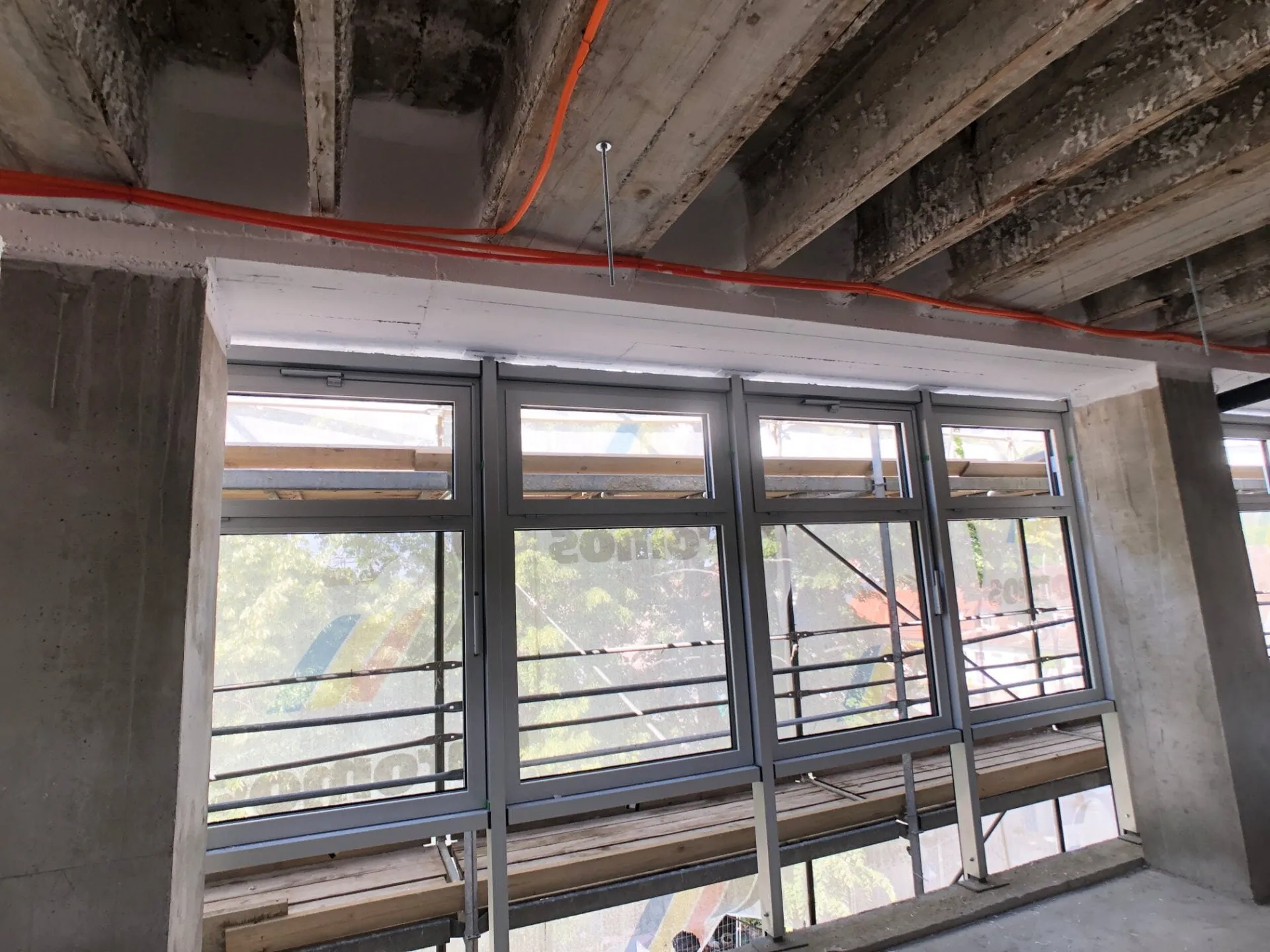
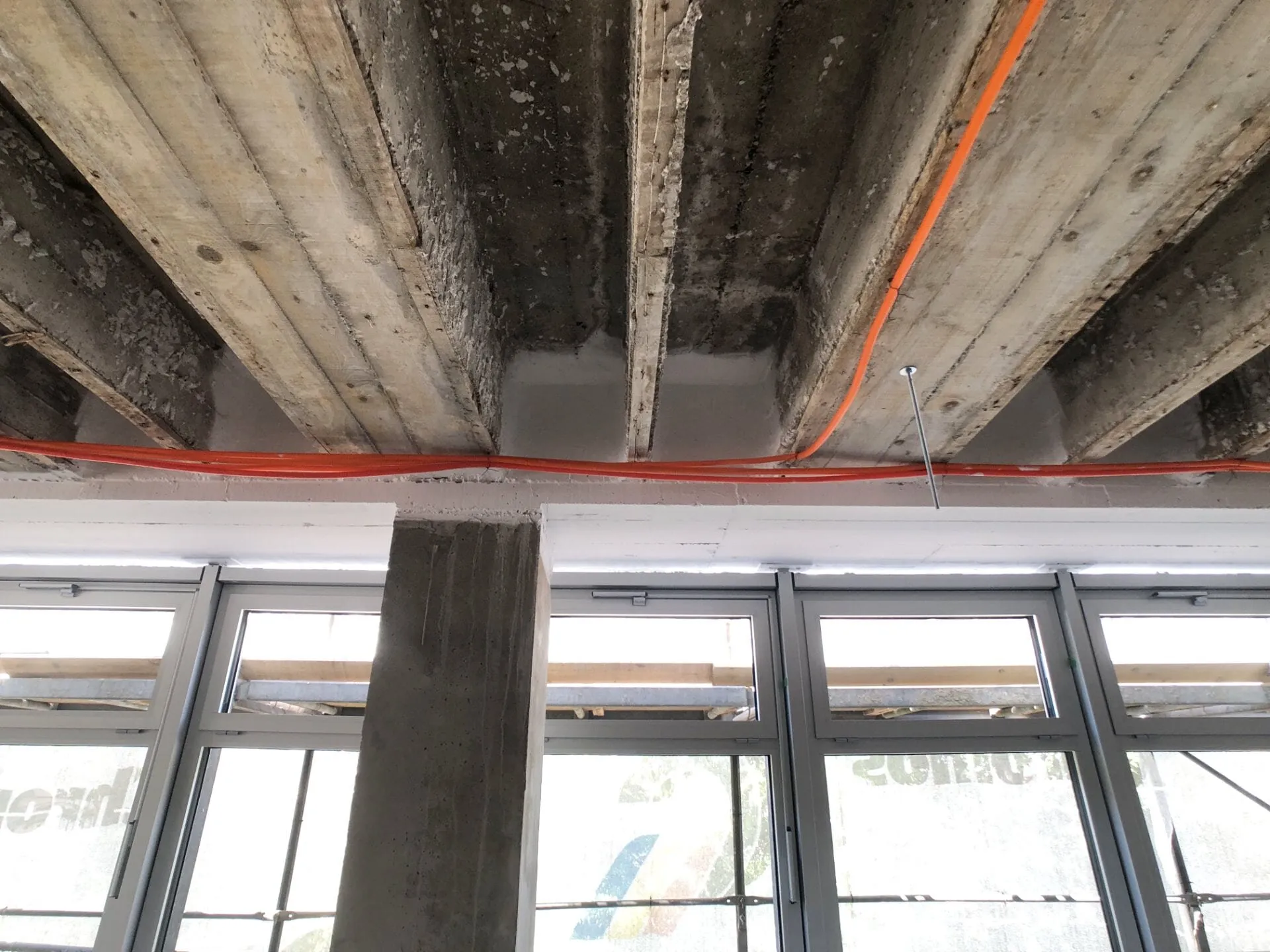
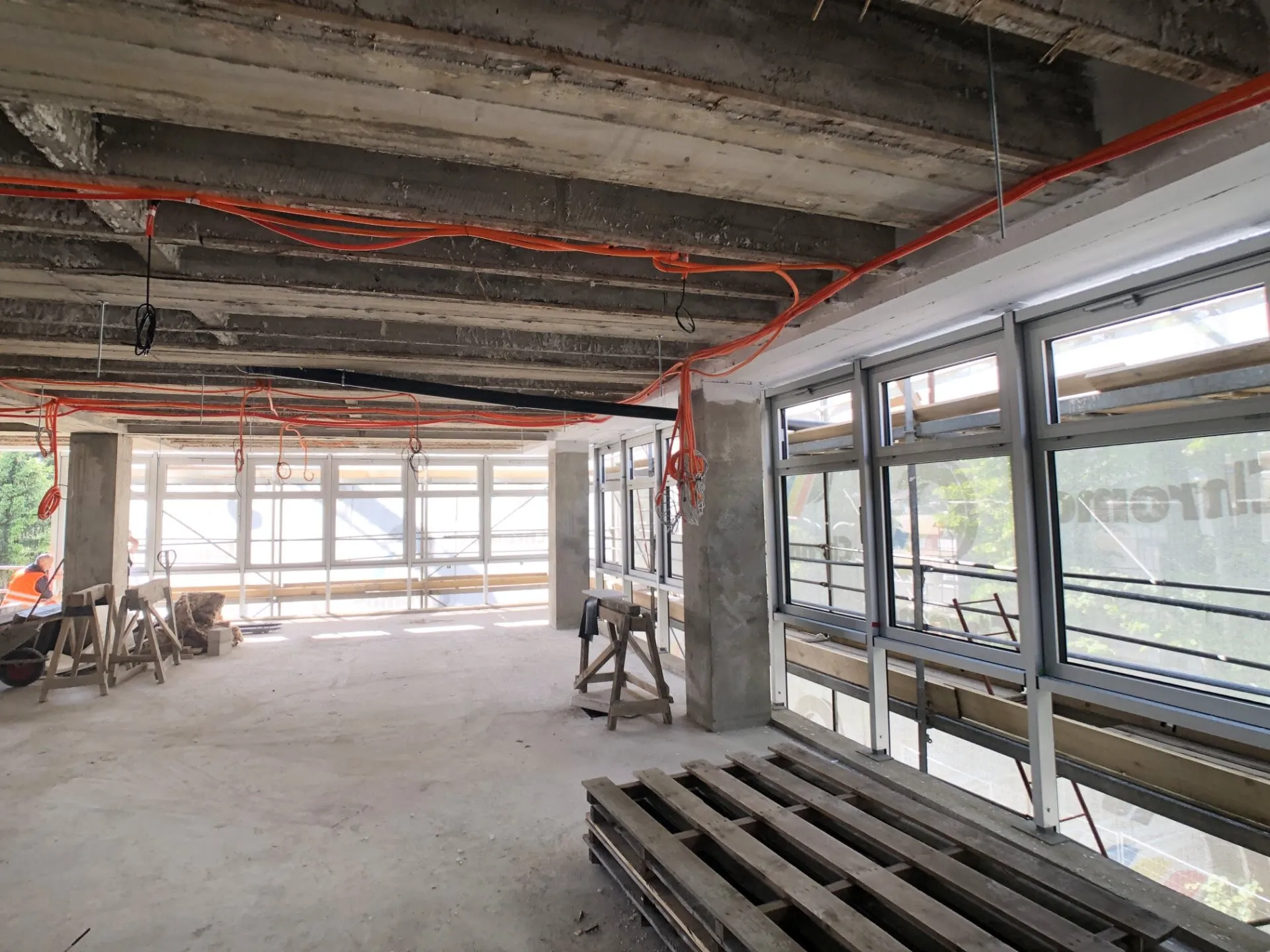
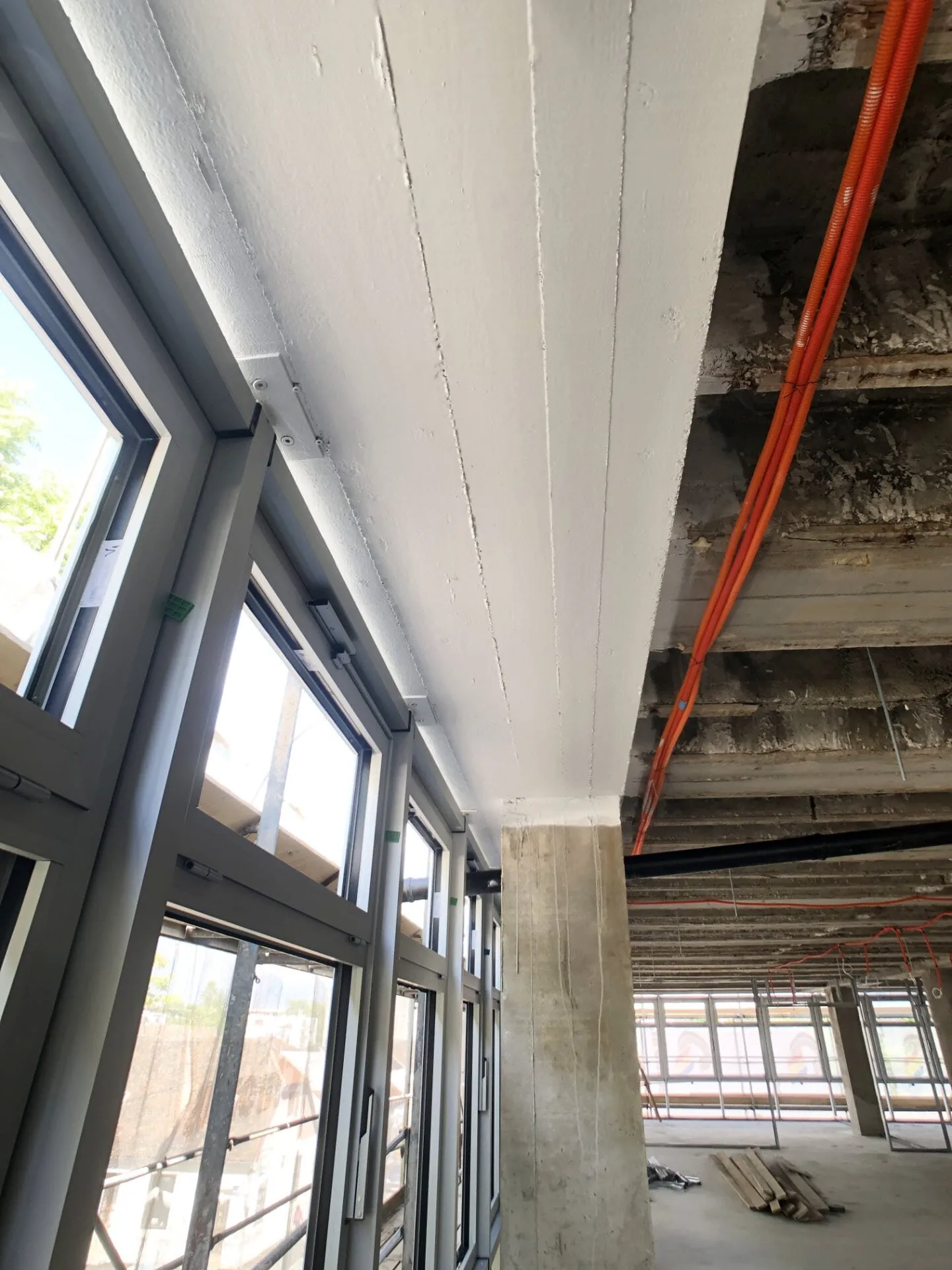
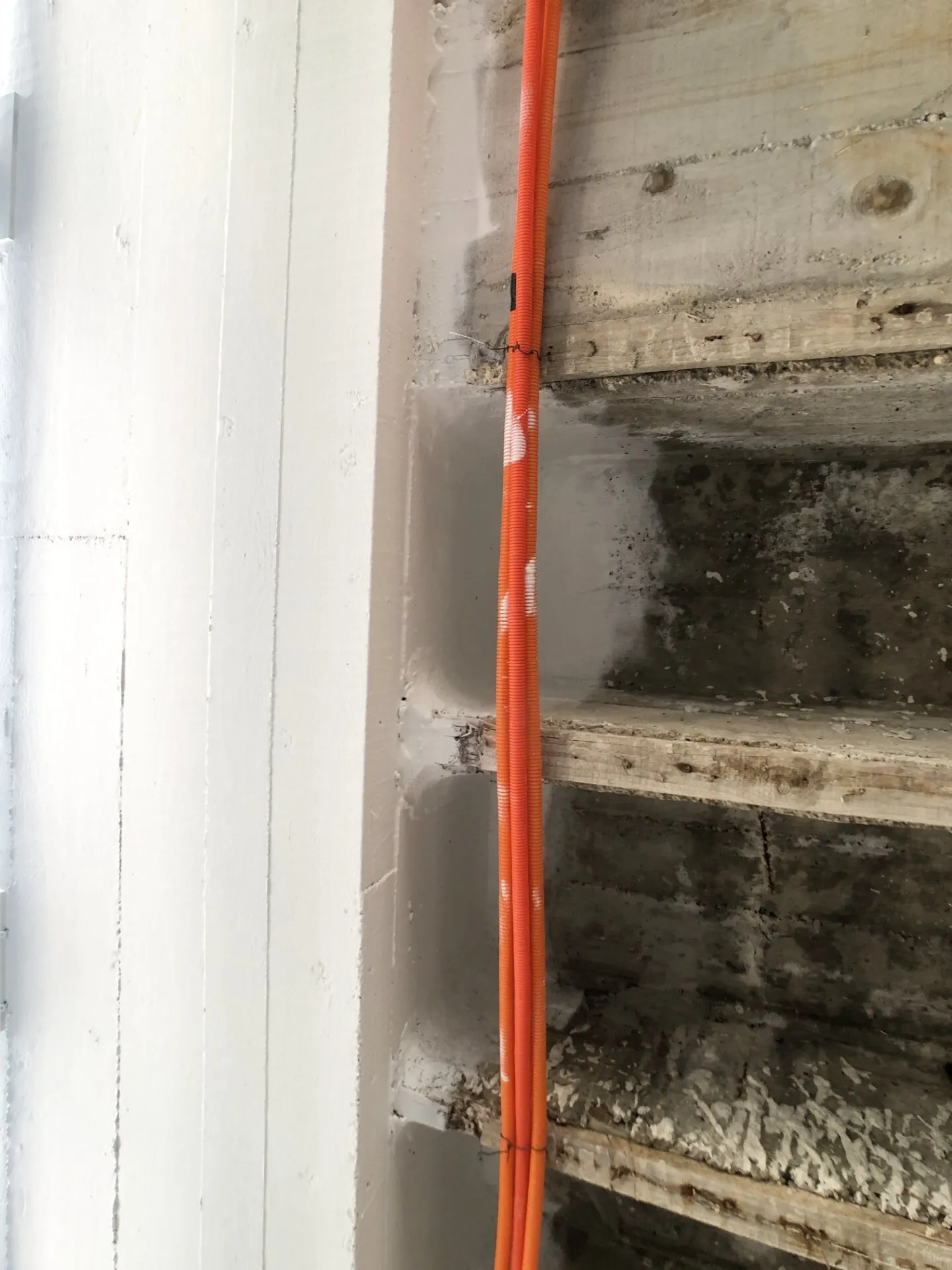
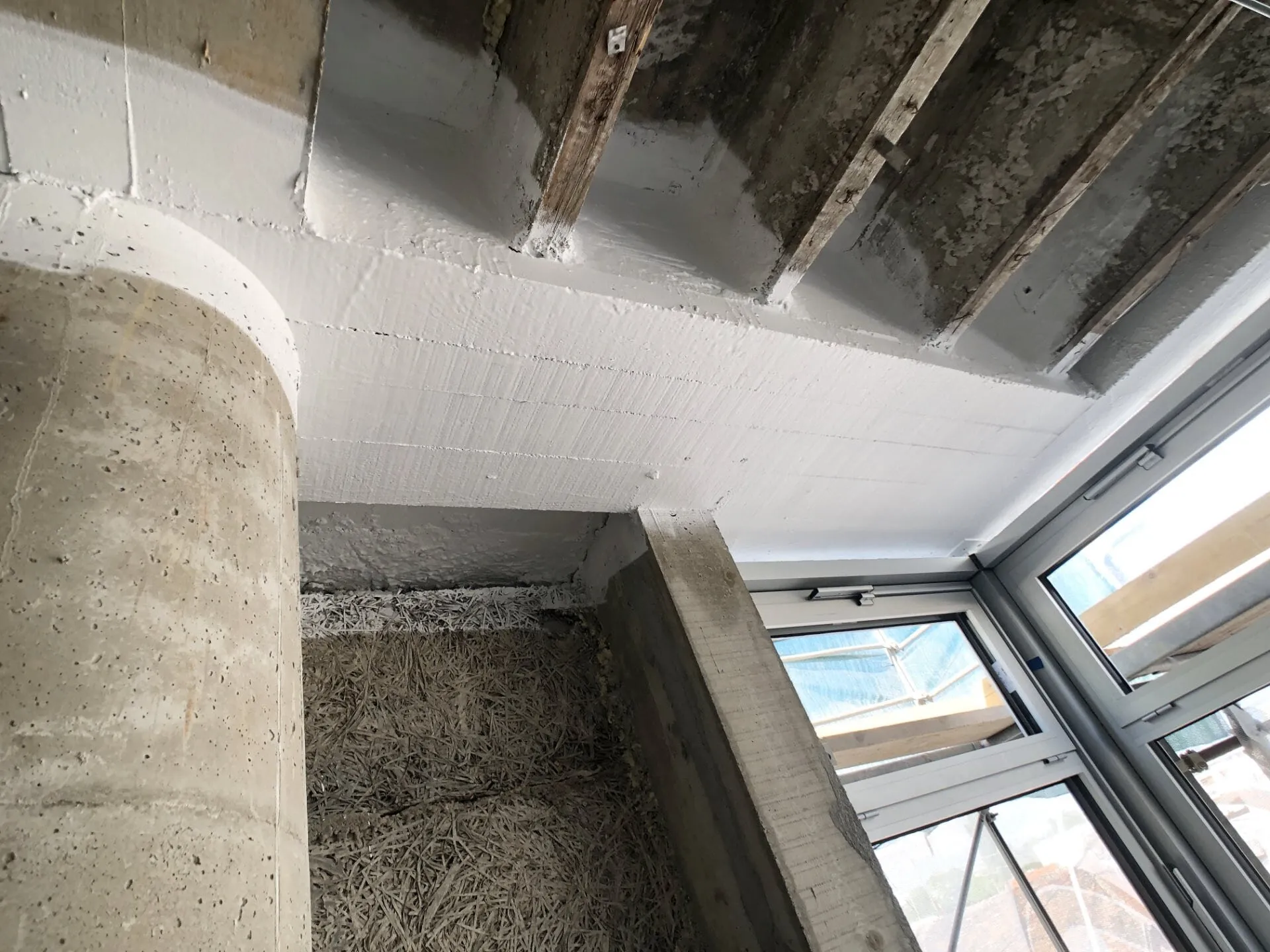
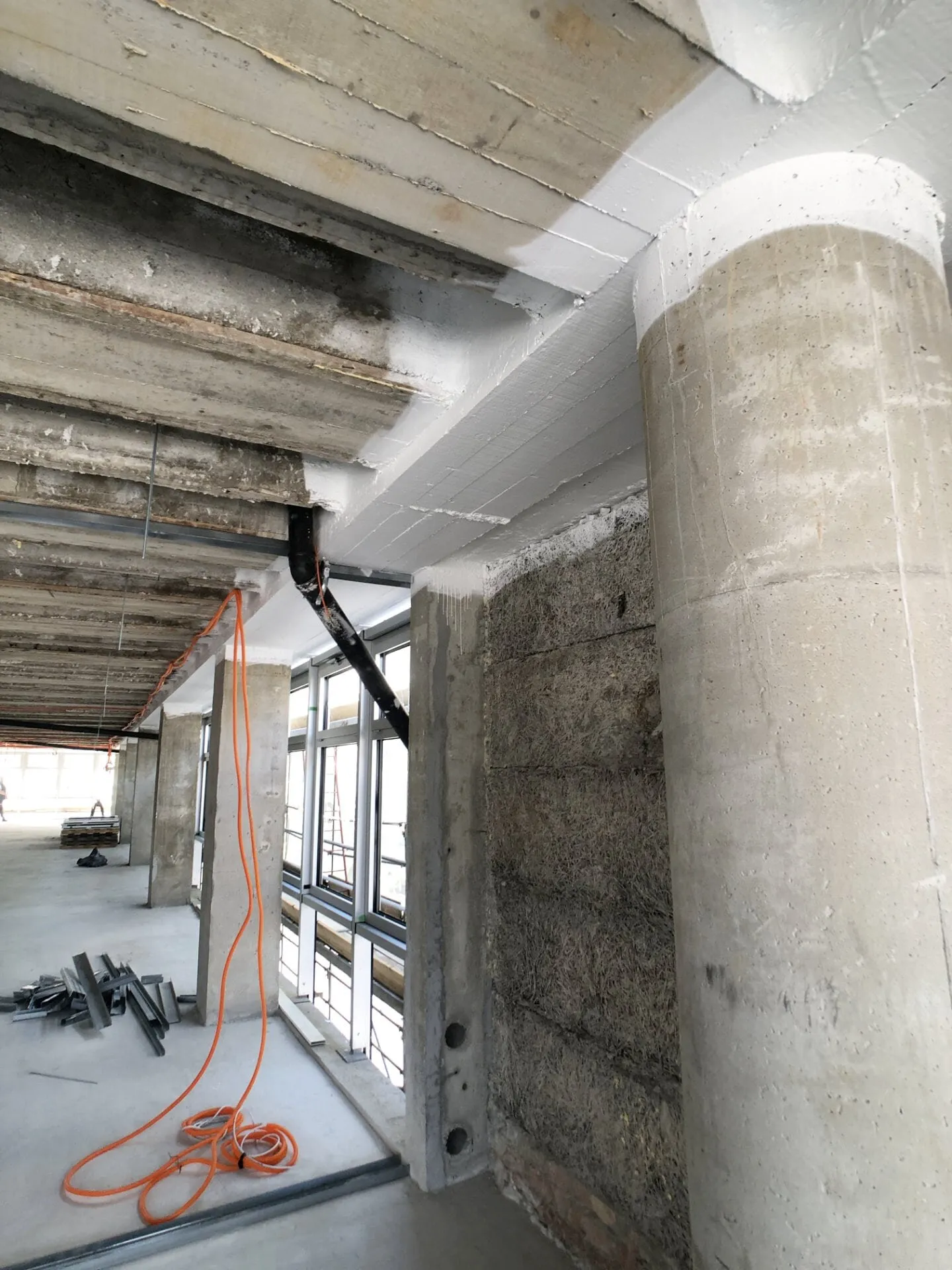
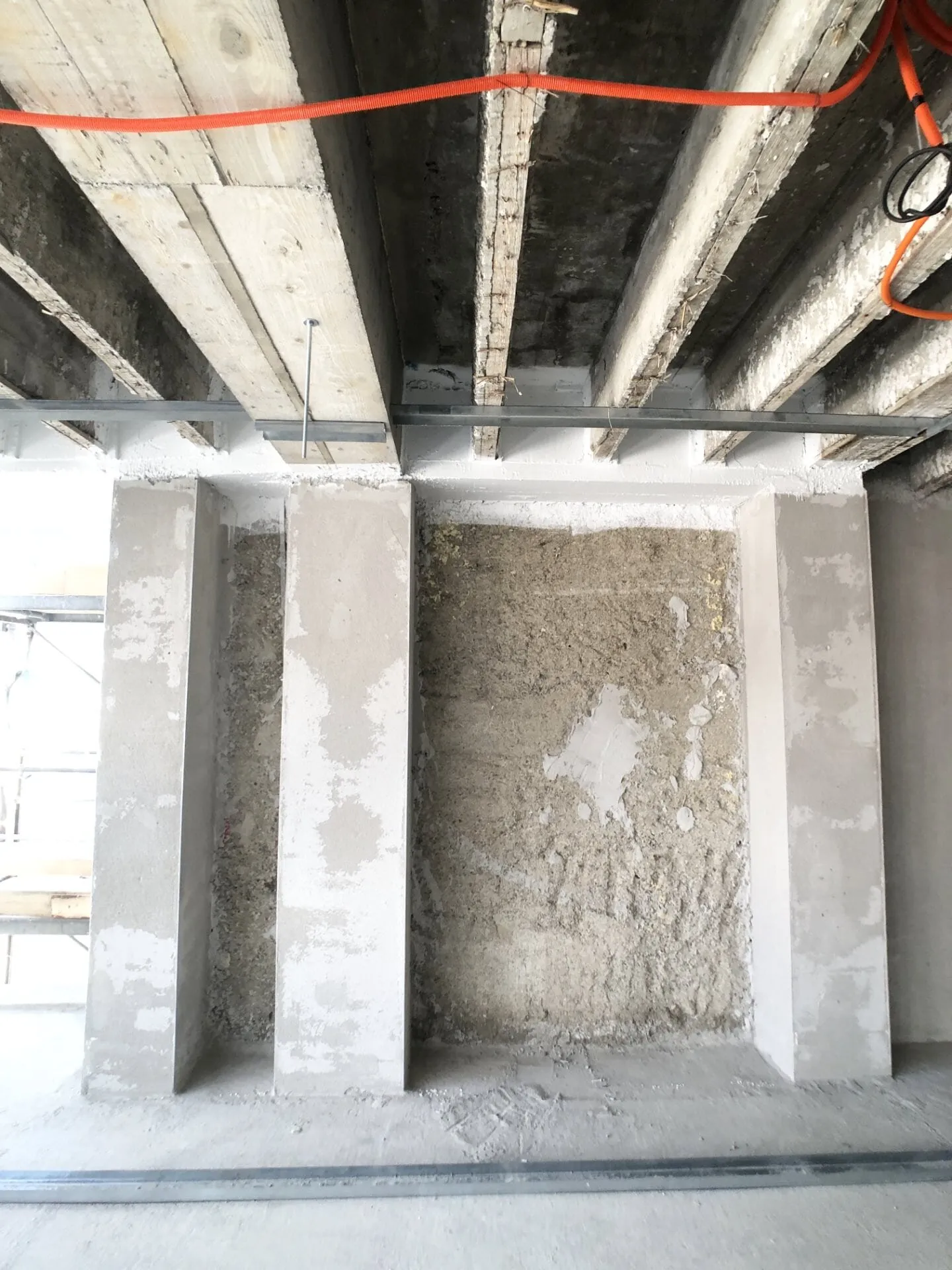
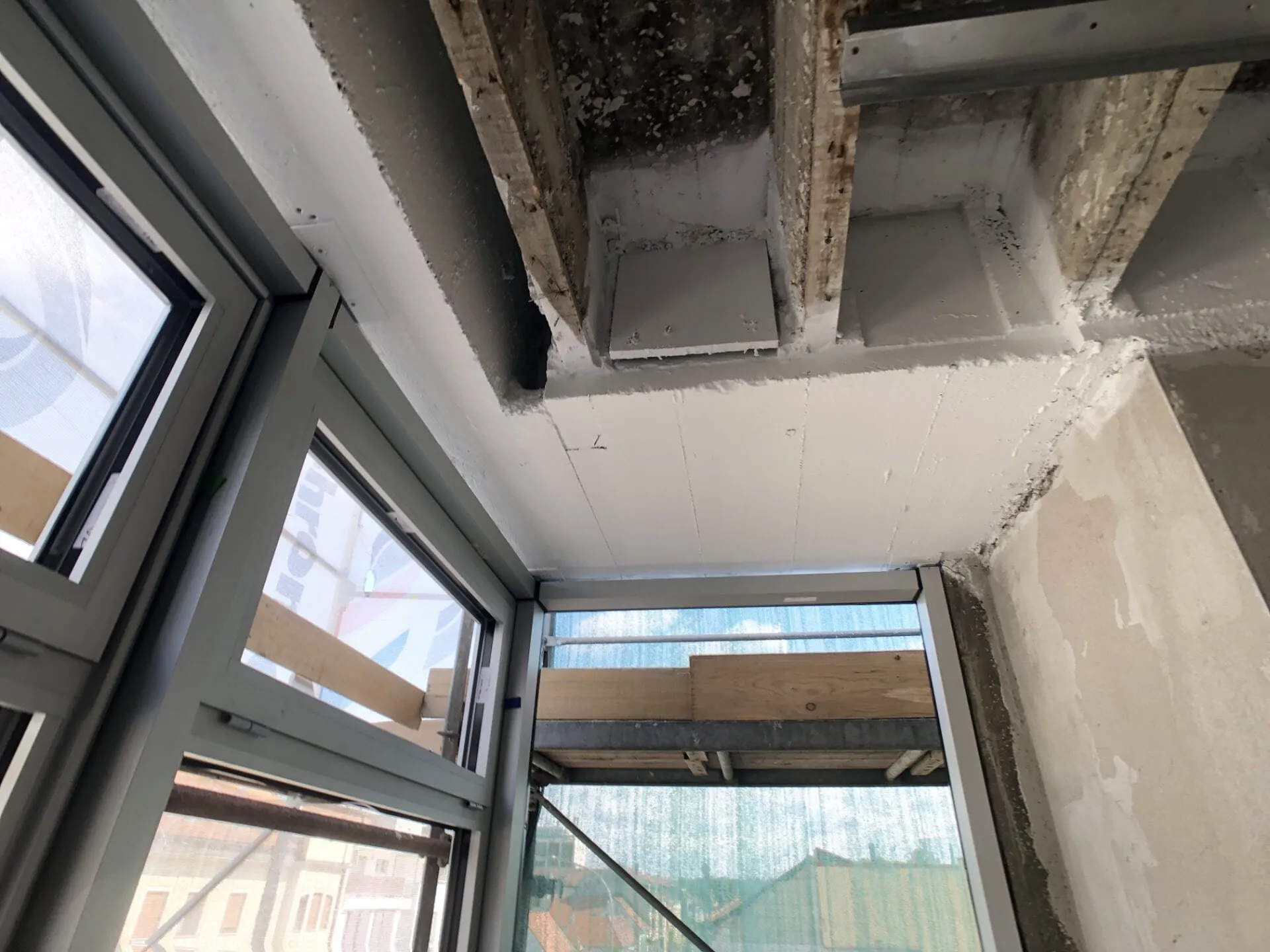
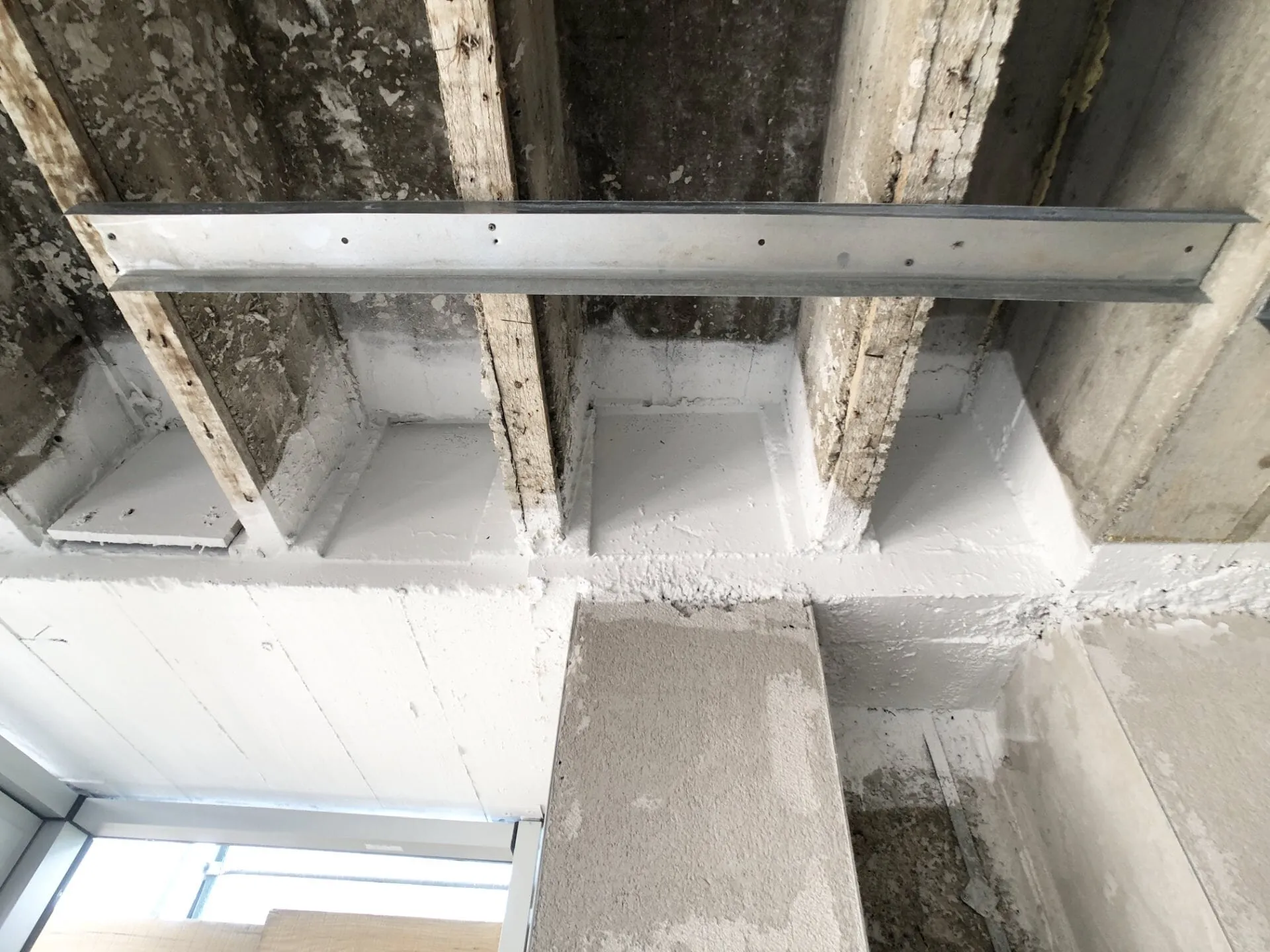
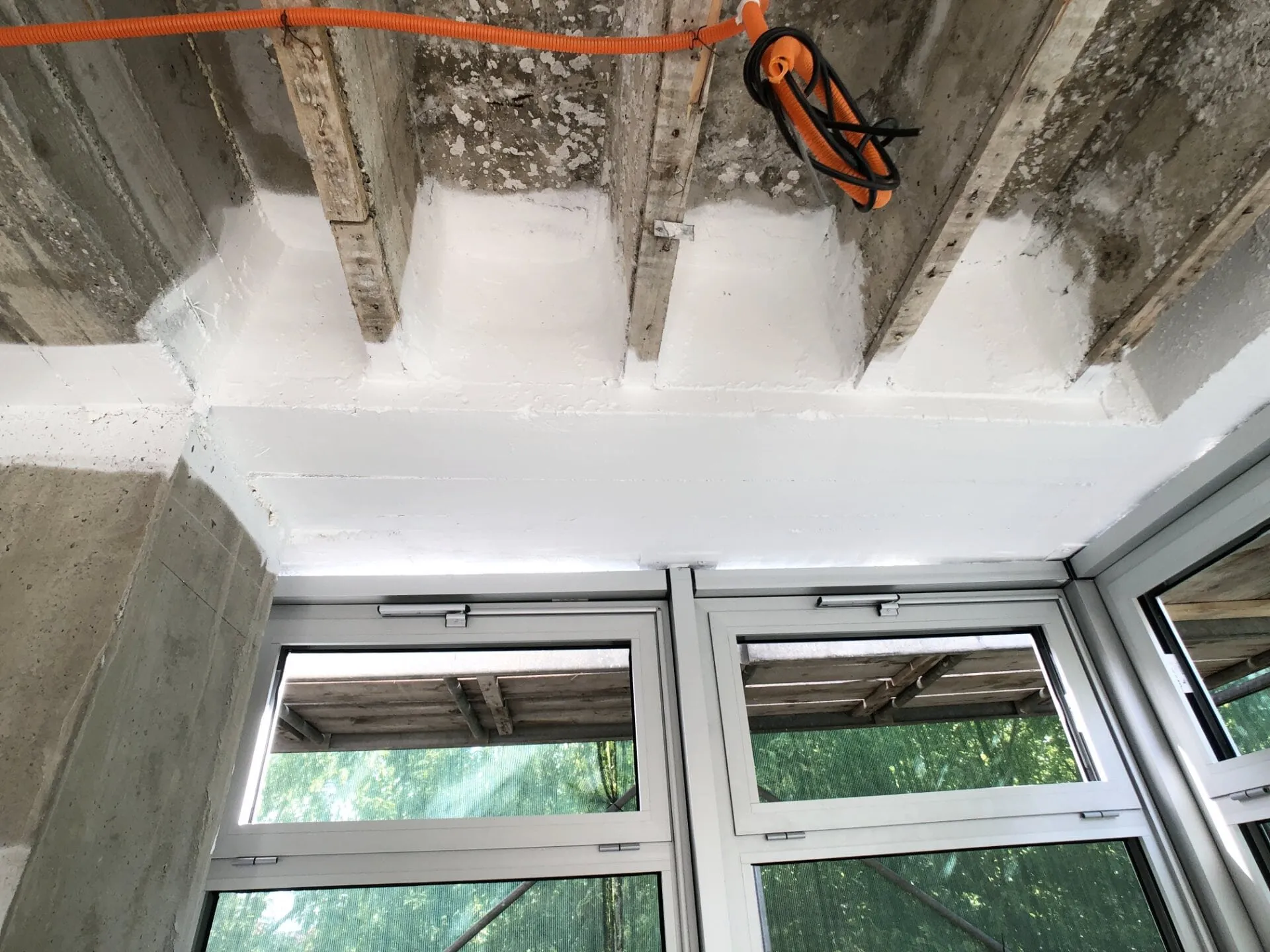
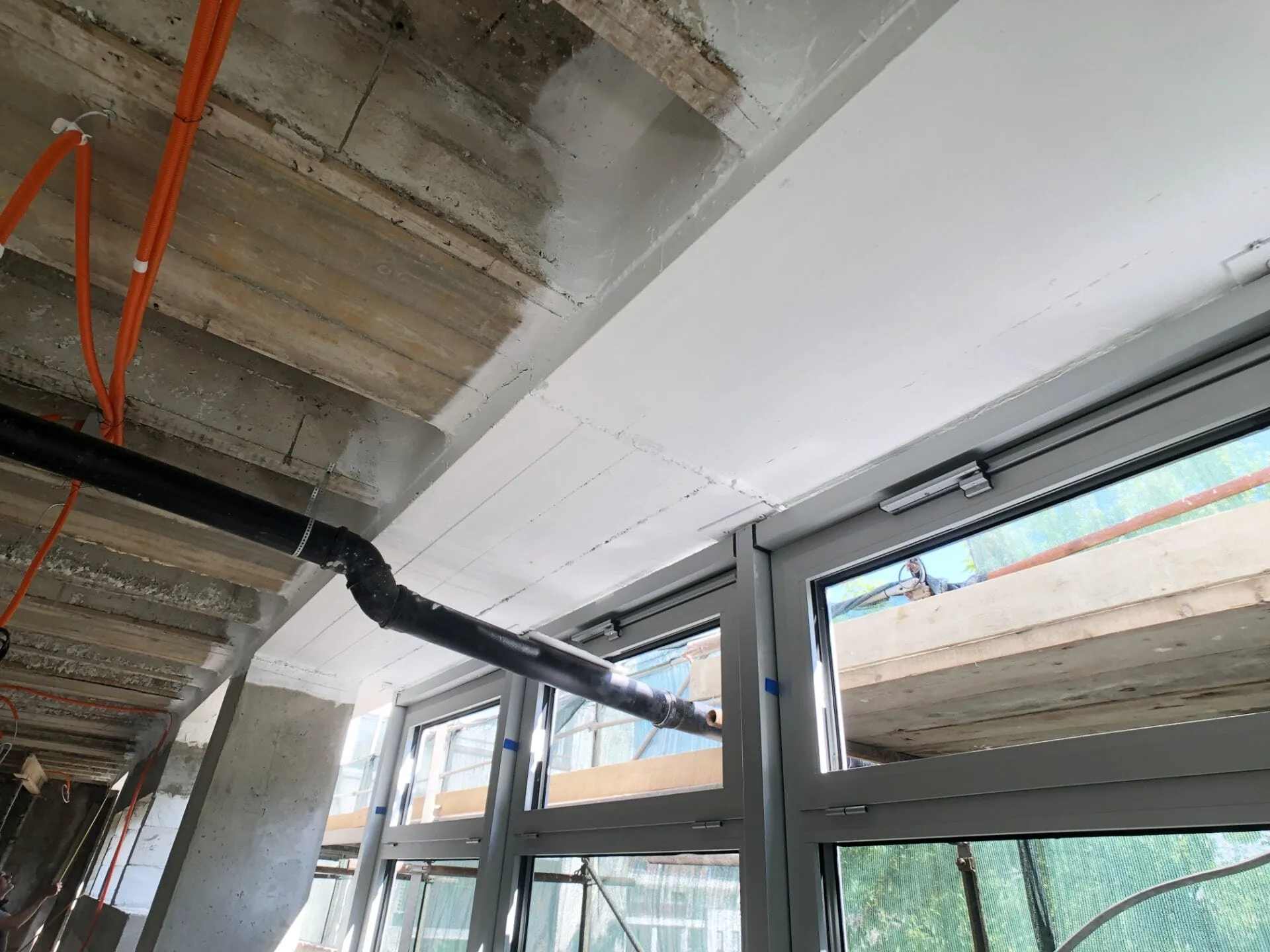
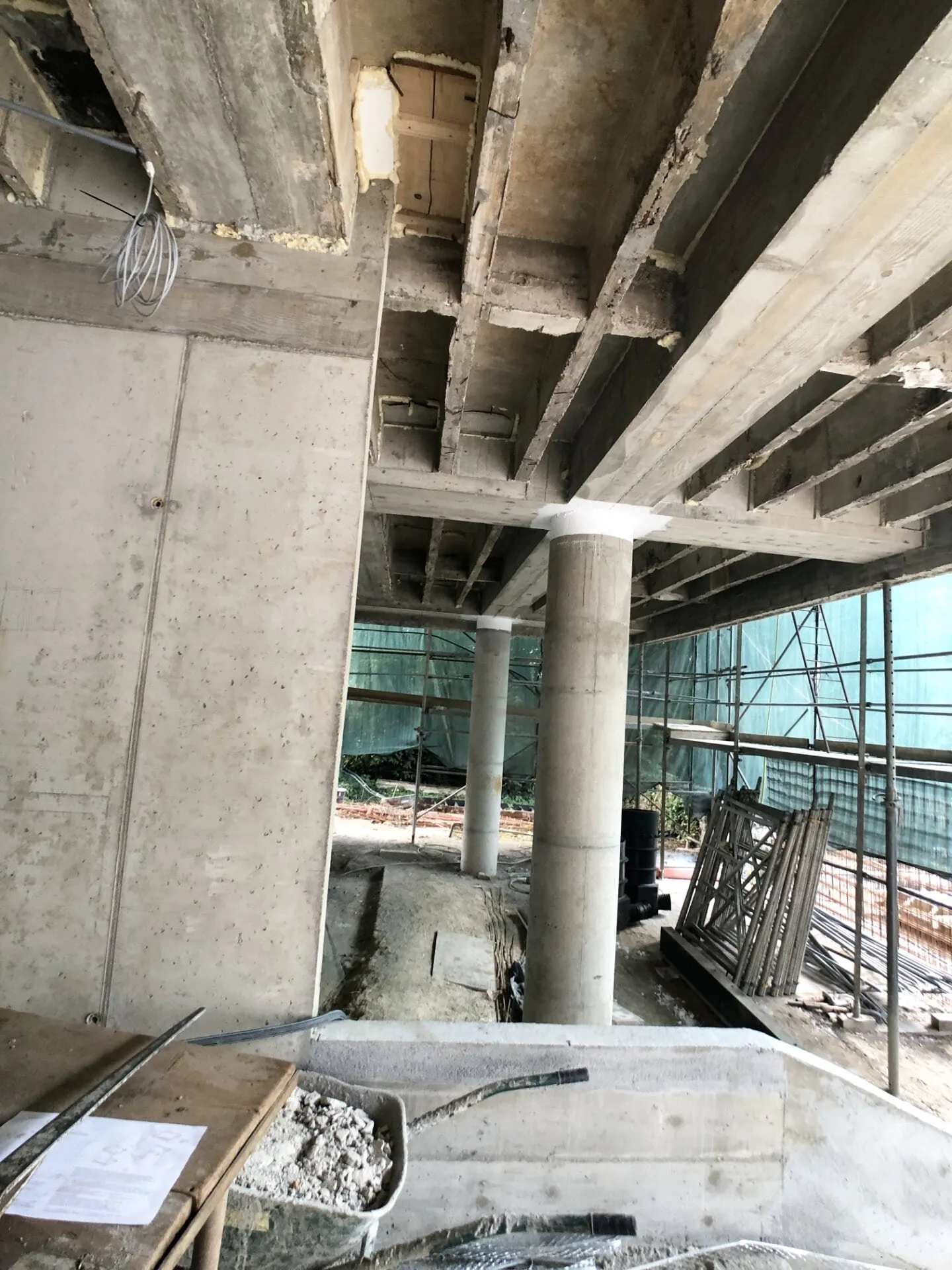
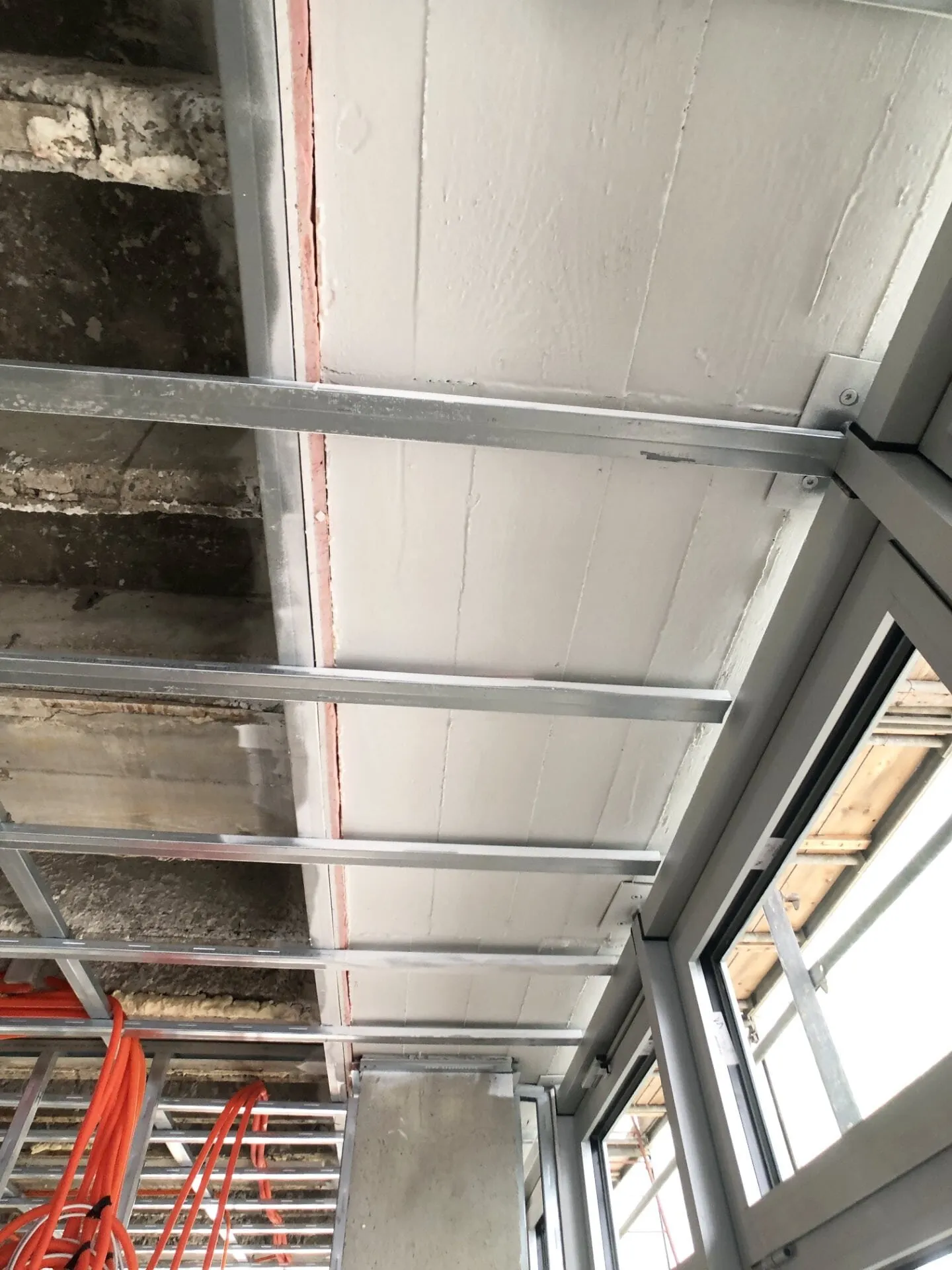
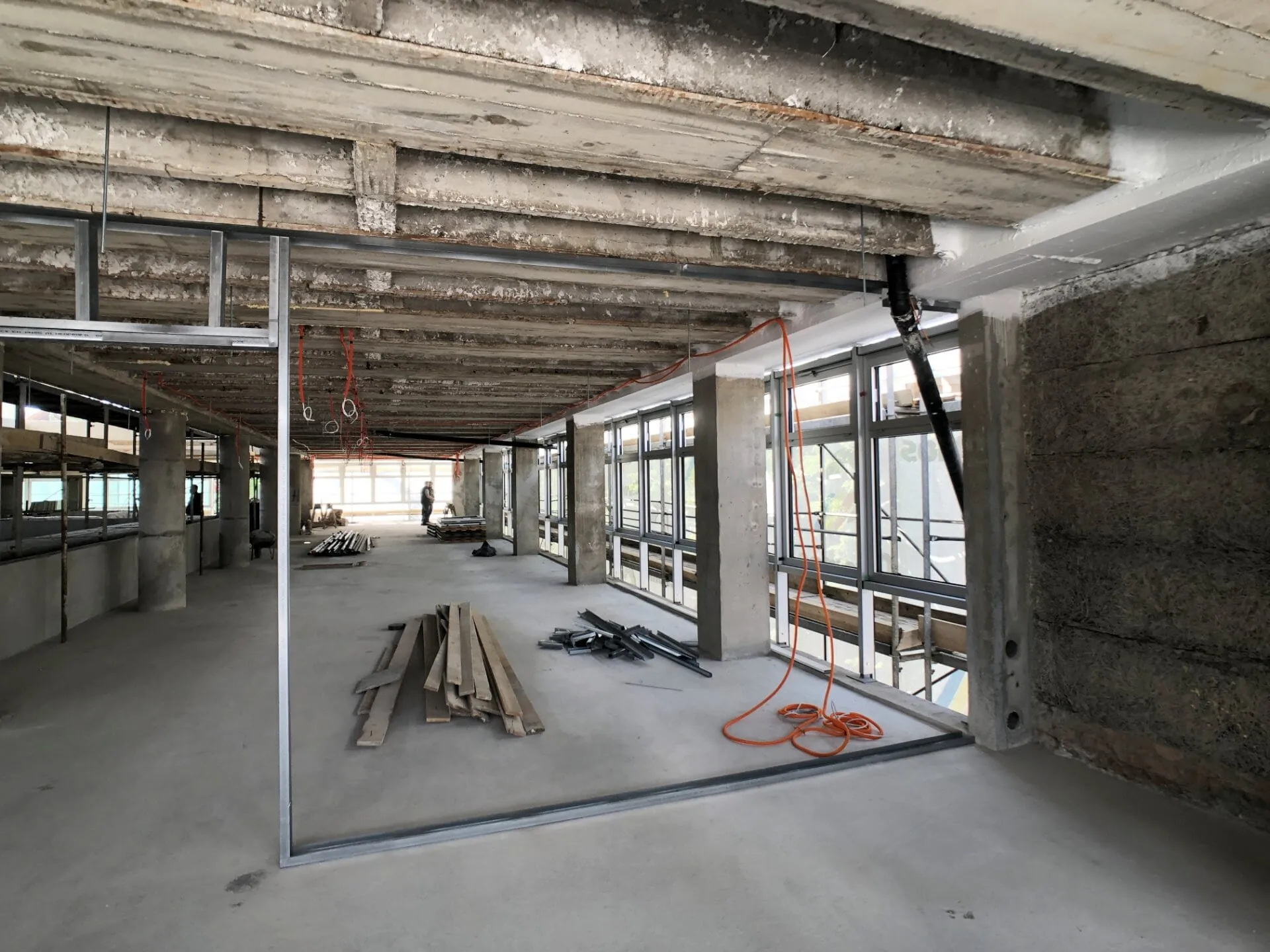
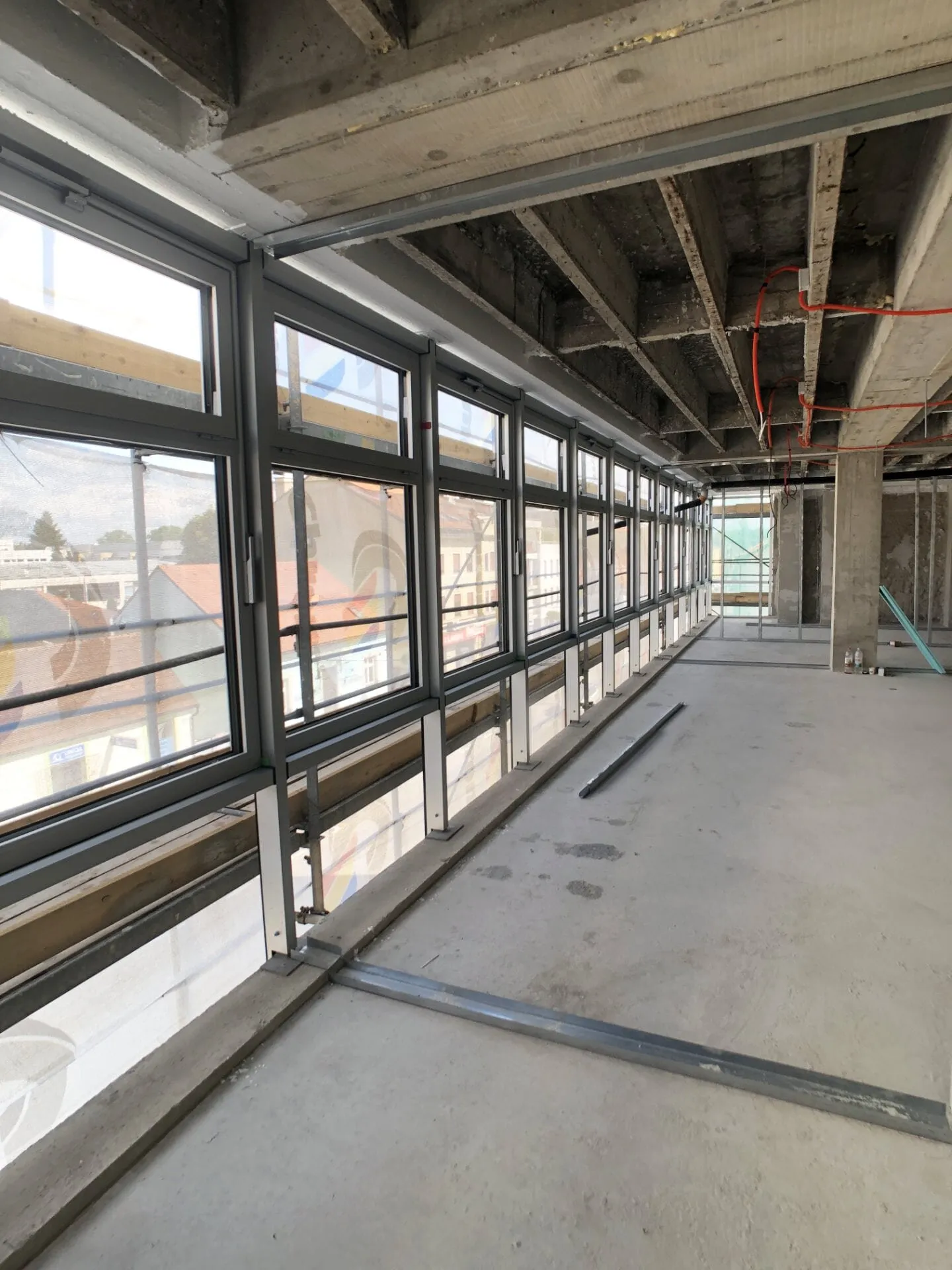
Thermal insulation of thermal bridges in a business building in Sisak
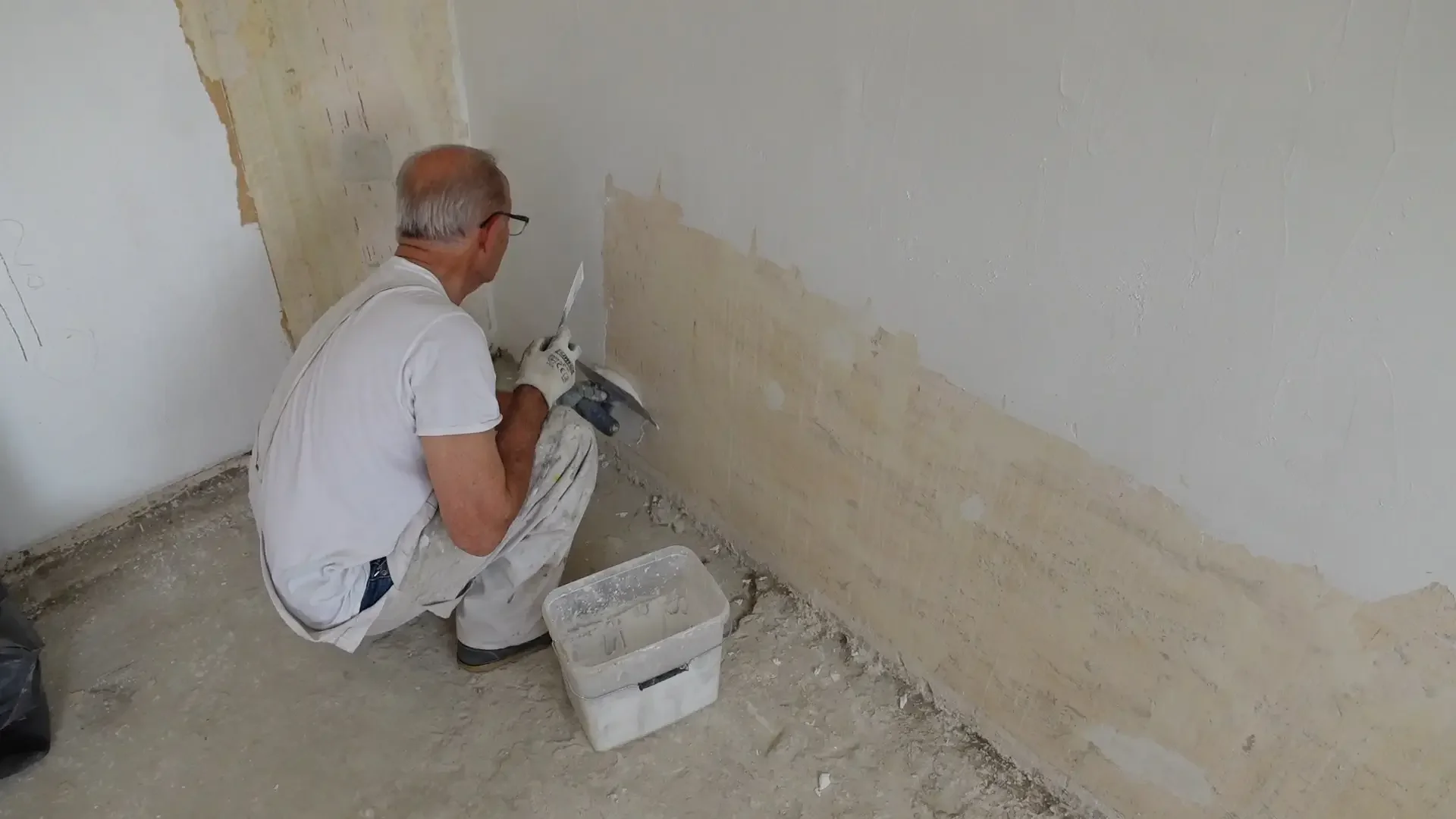
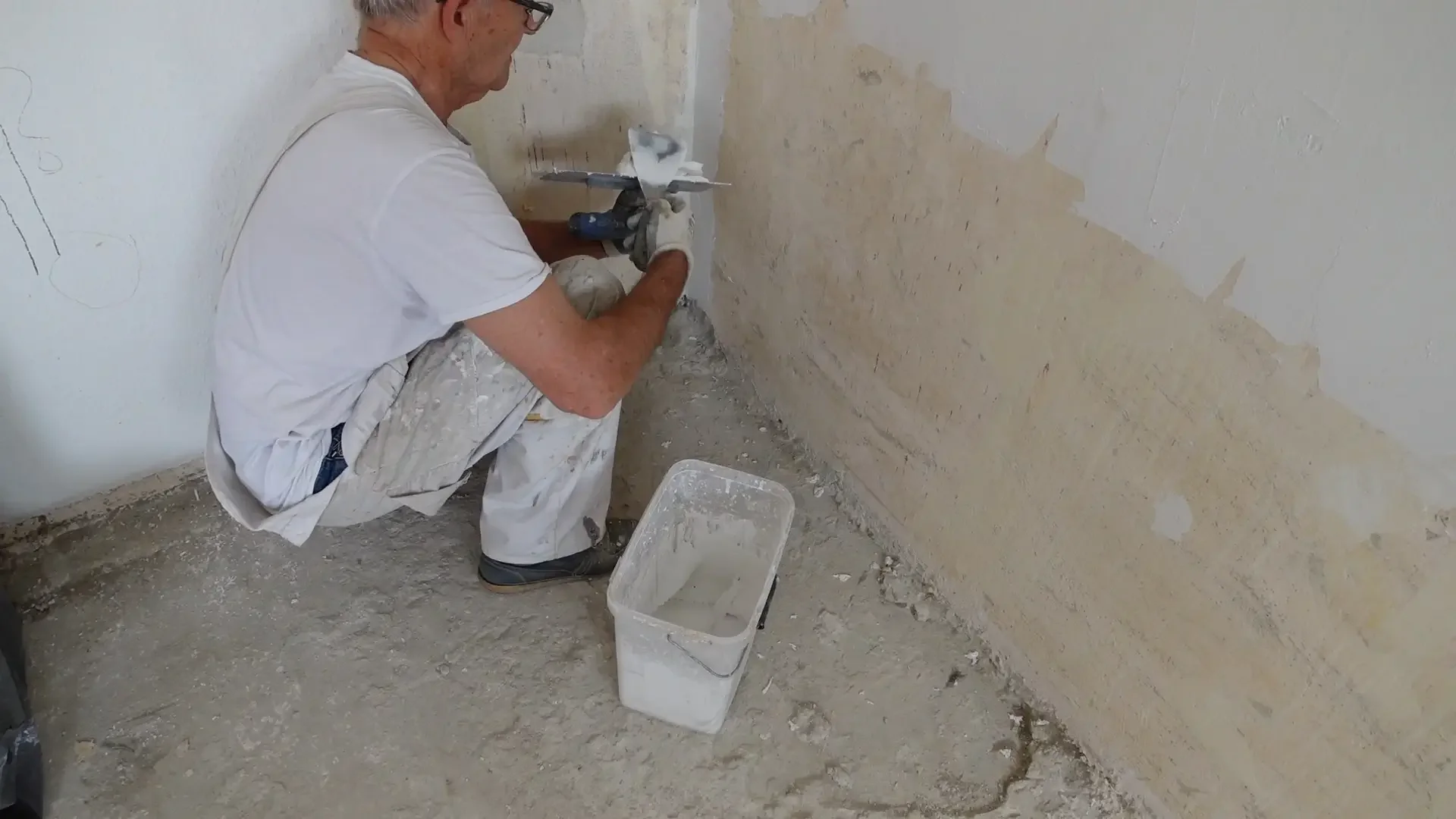
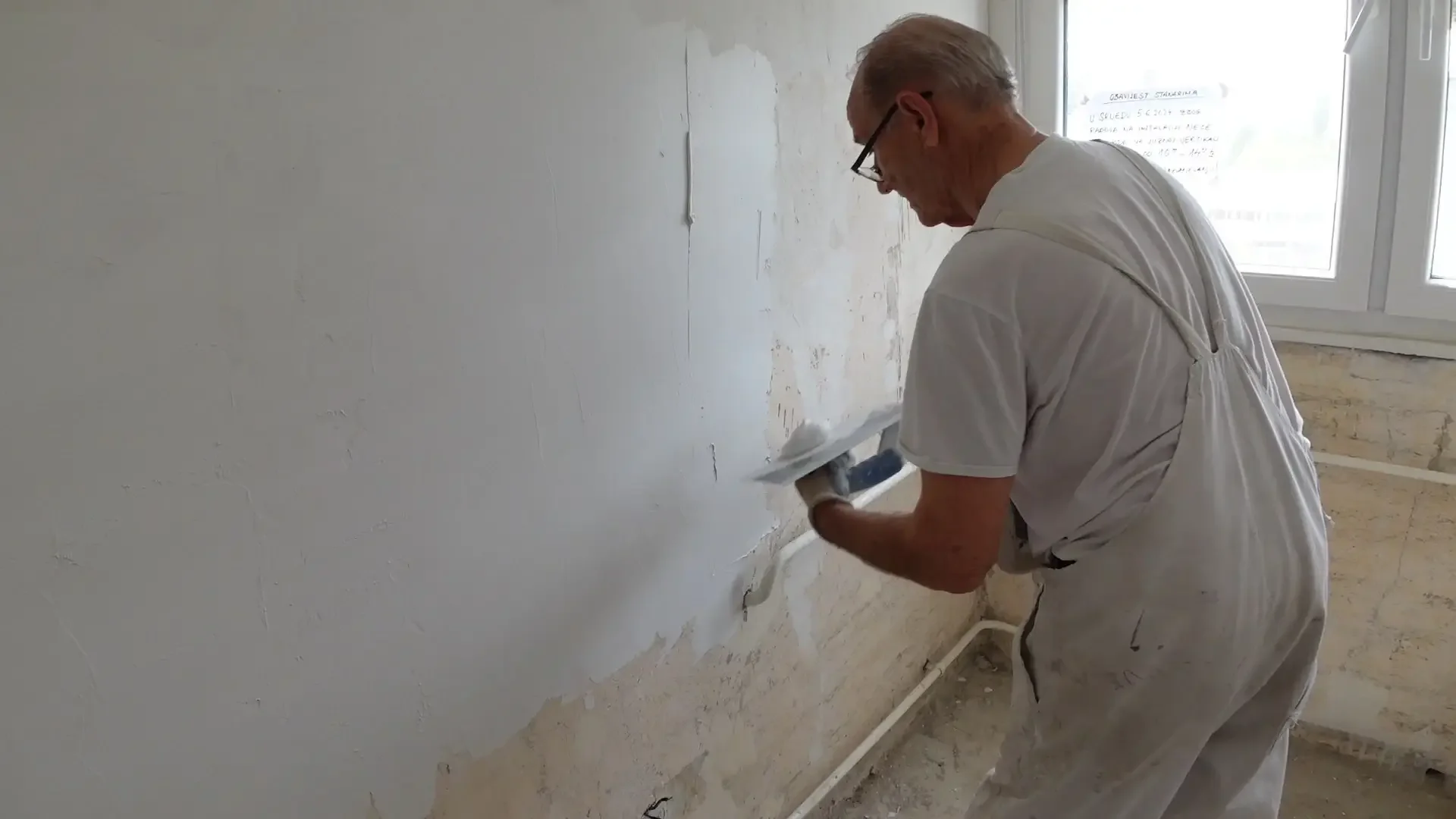
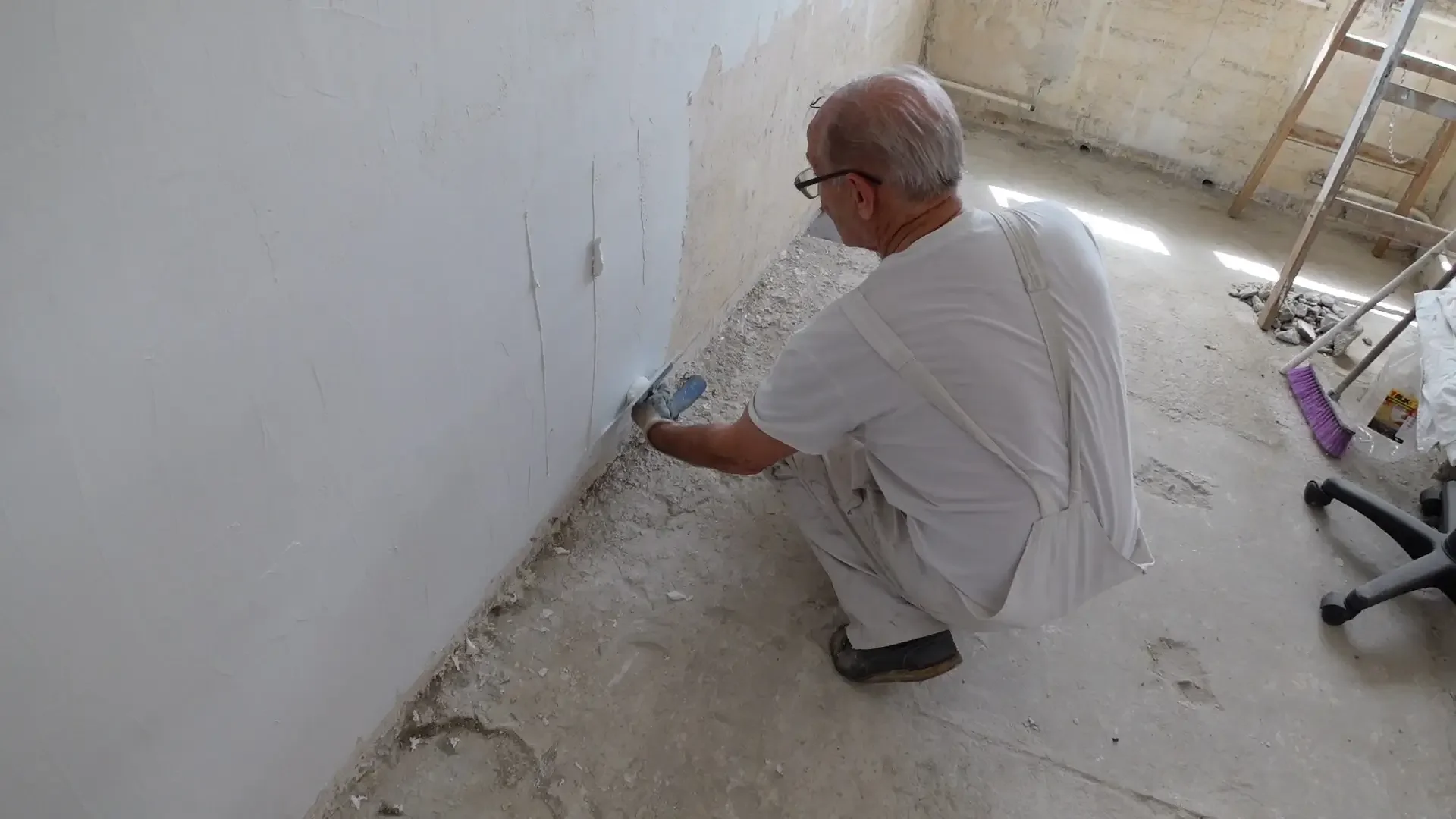
Thermal insulation of thermal bridges in the business building in Sisak with an area of 170 sq m. This reconstruction project transformed the building, which previously served as a bank's business premises, into a modern city library.
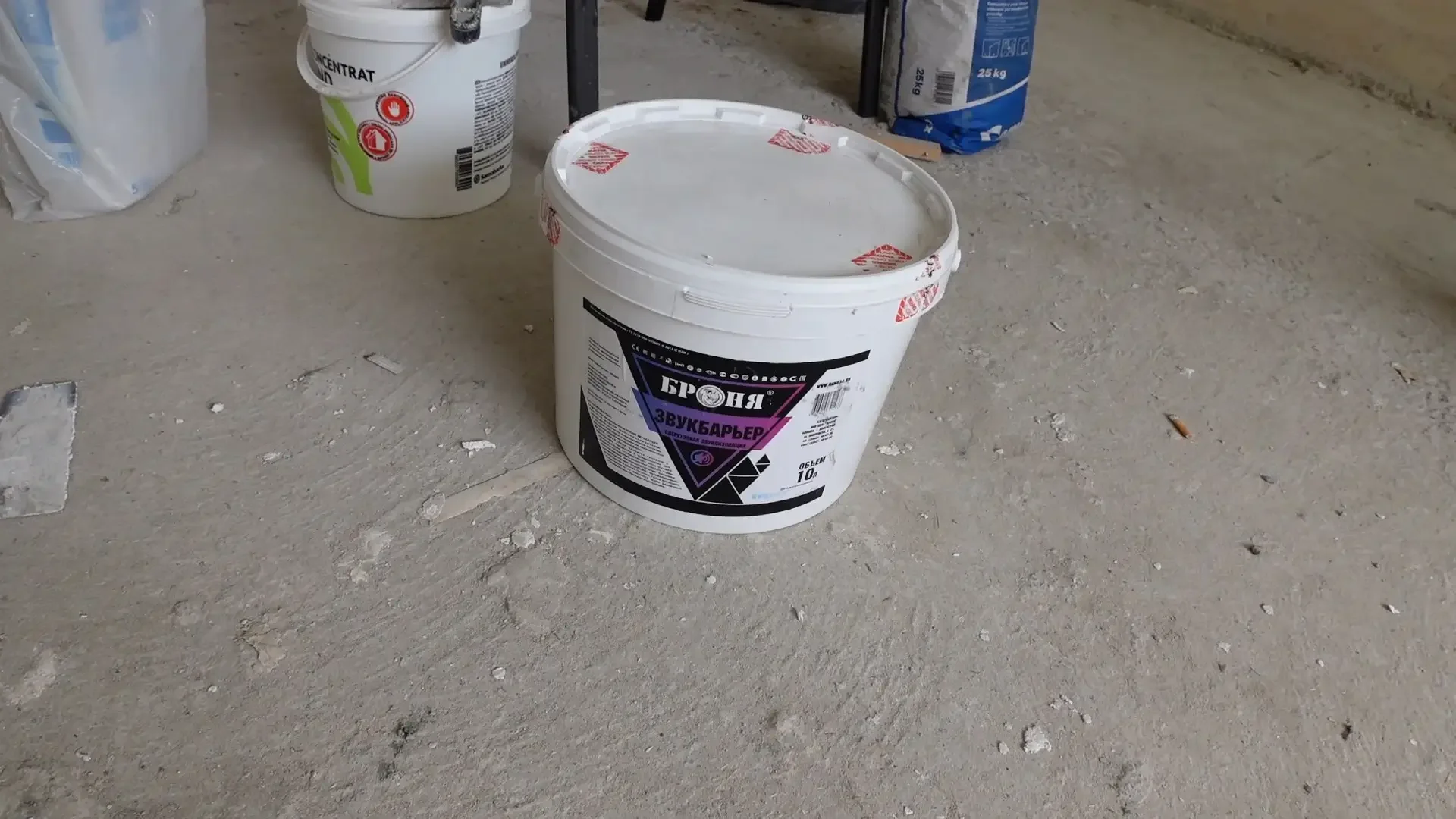
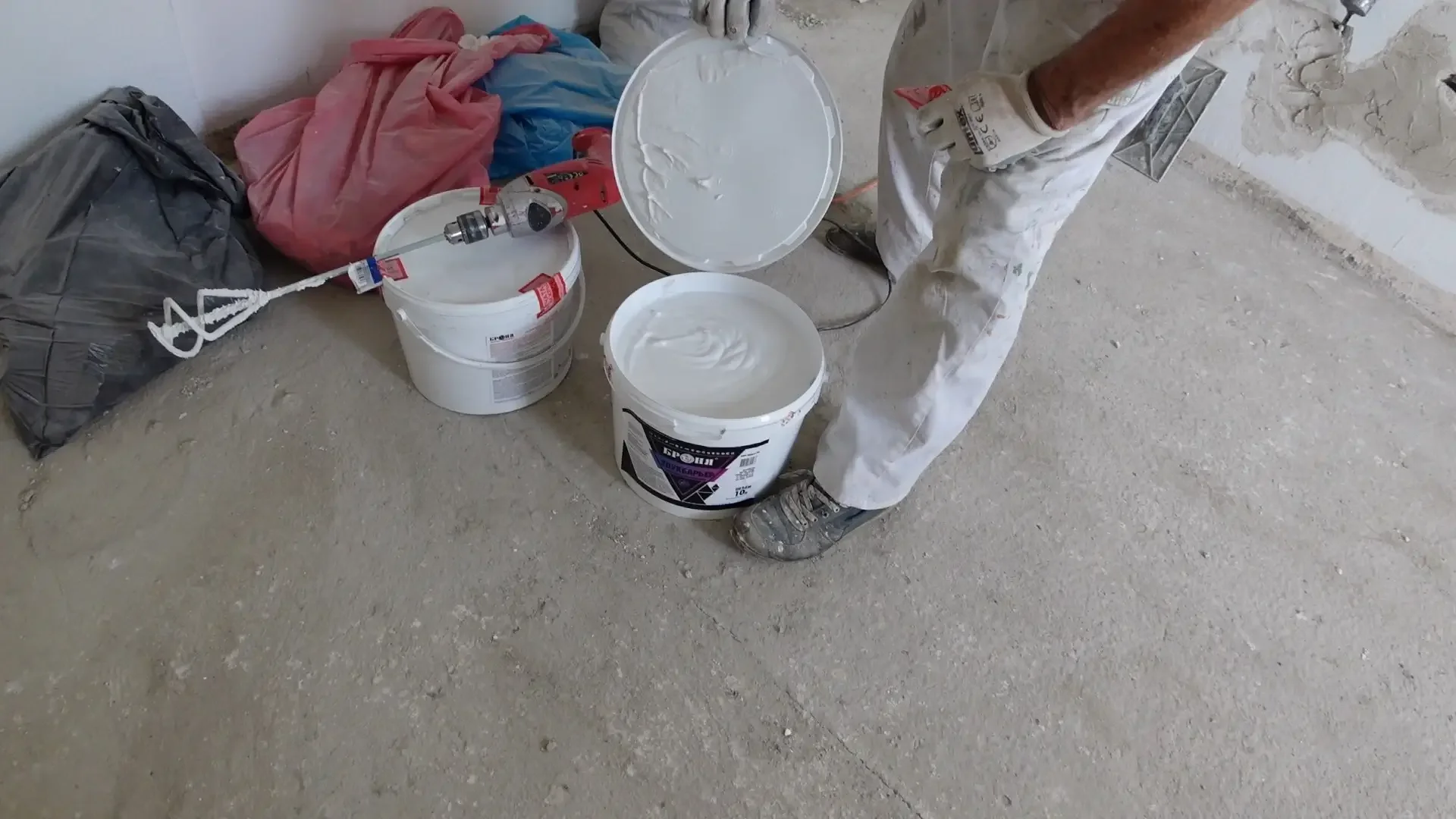
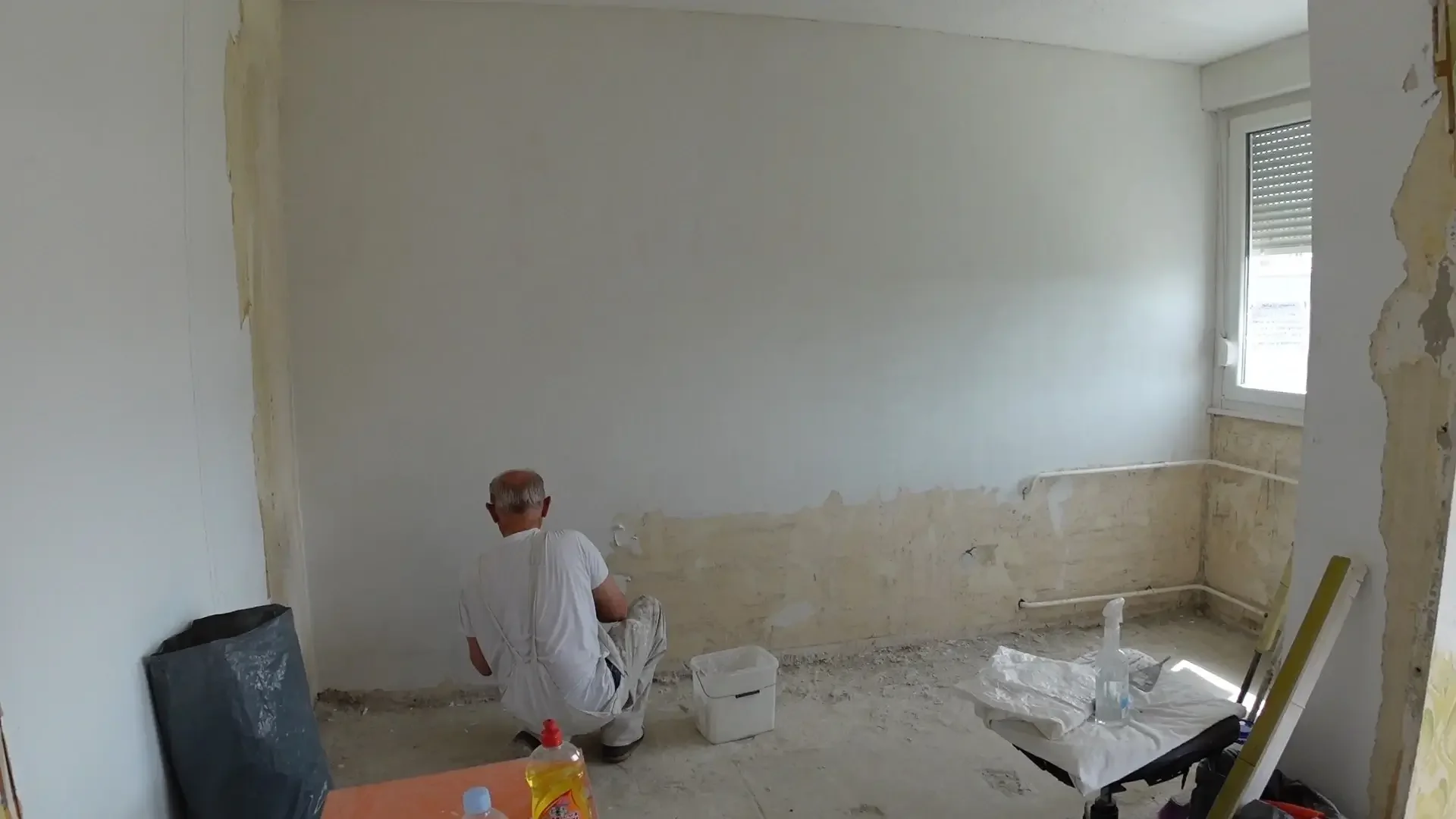
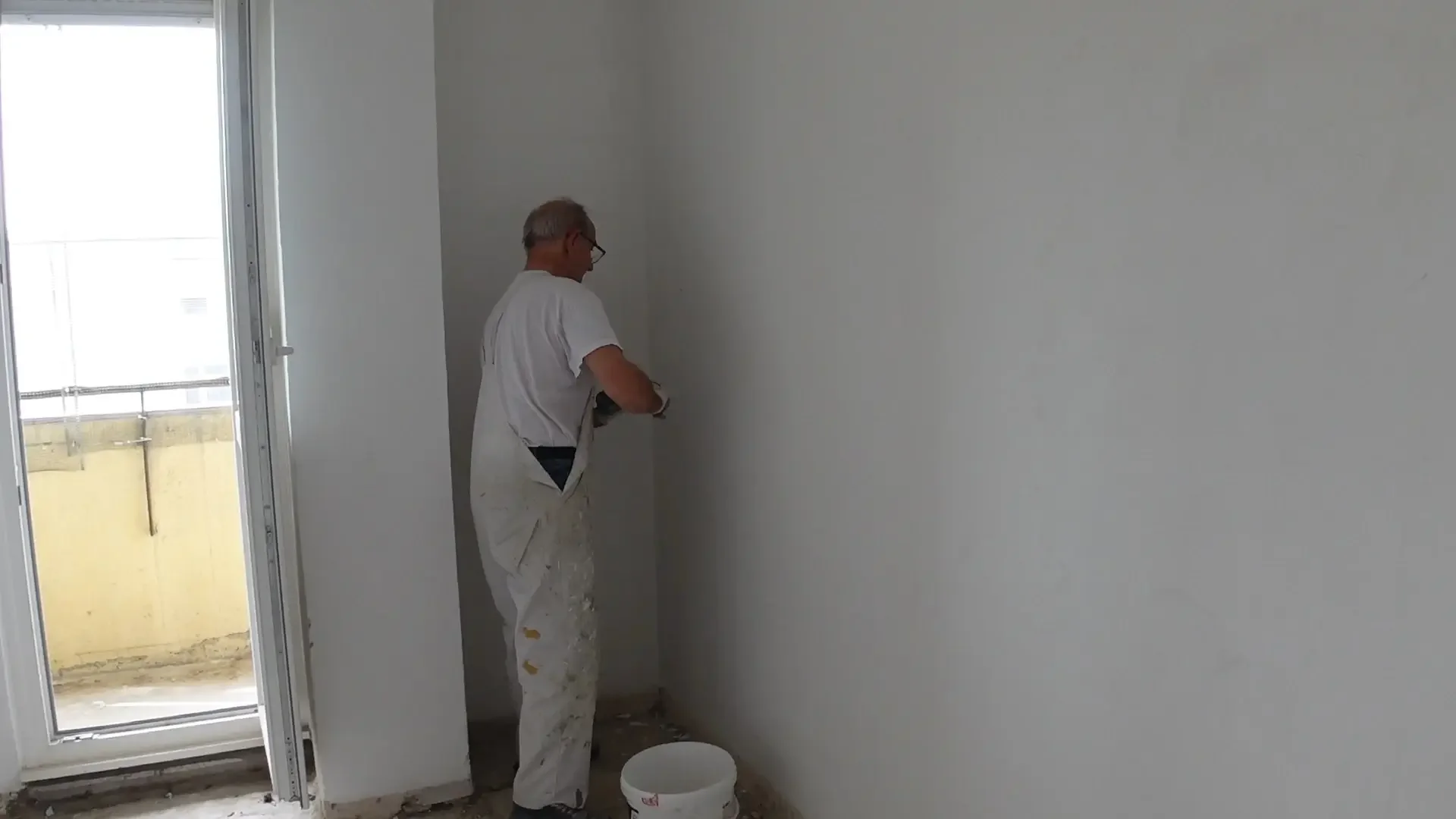
Soundproofing walls in an apartment in Zagreb
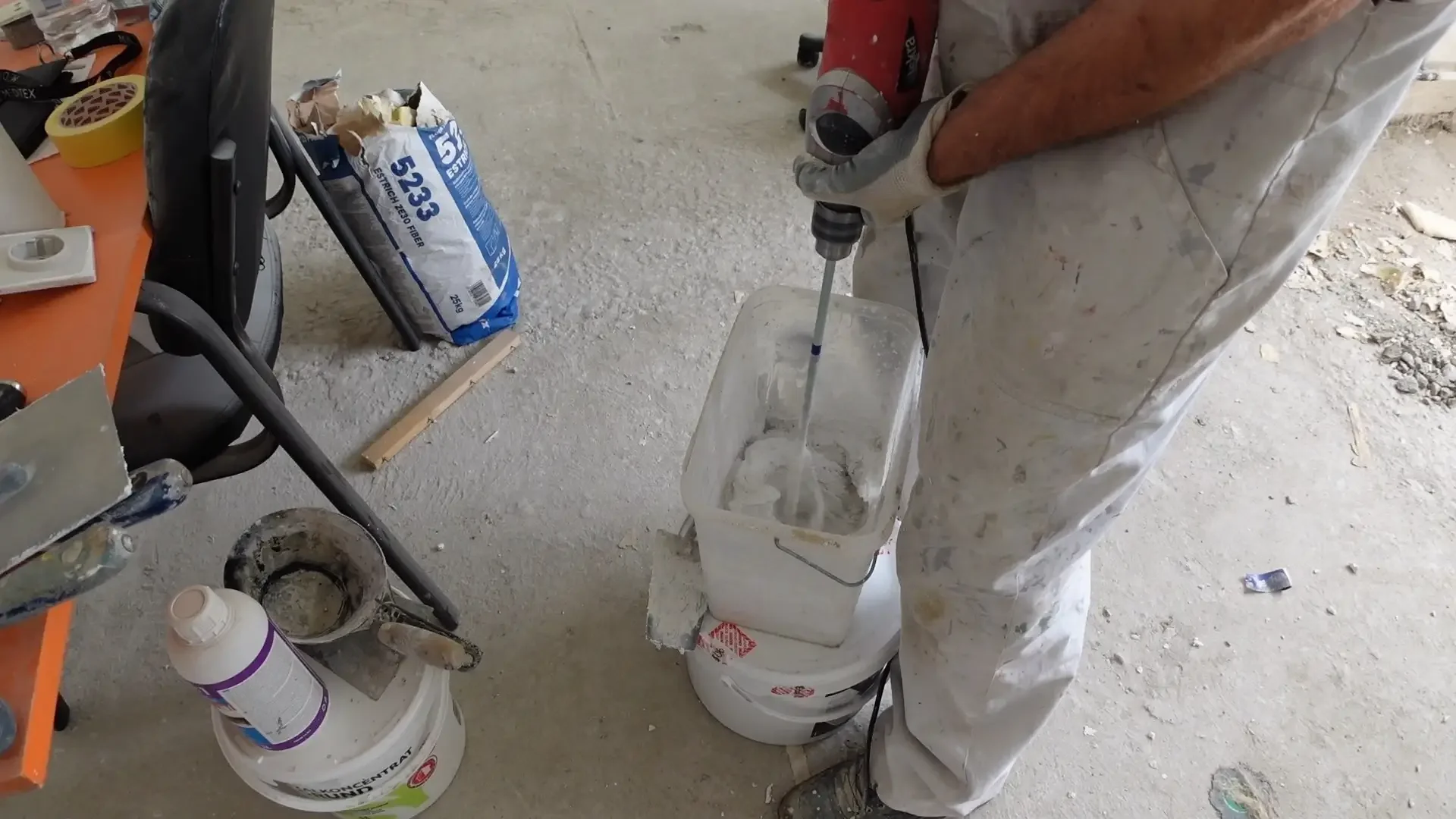
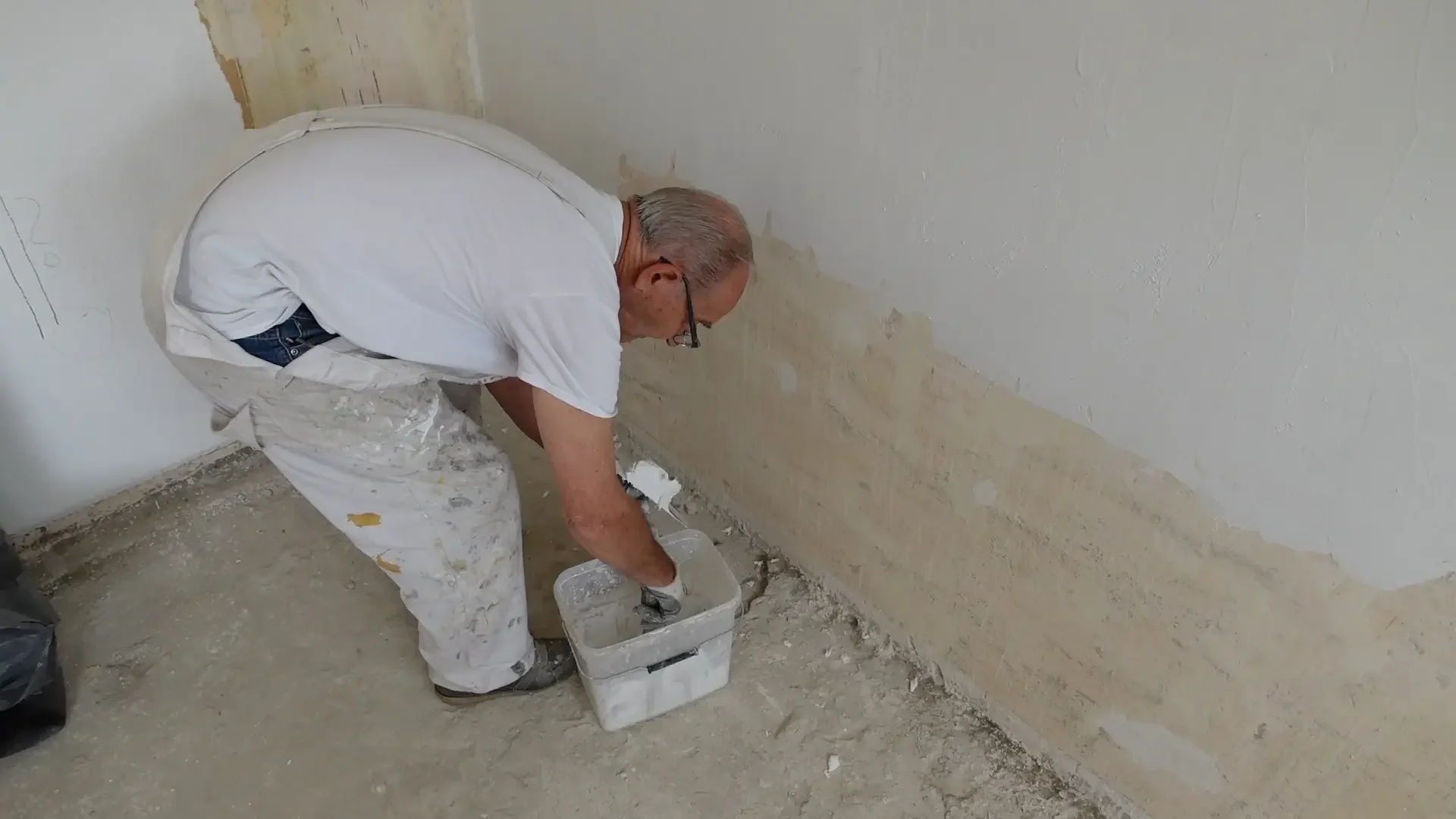
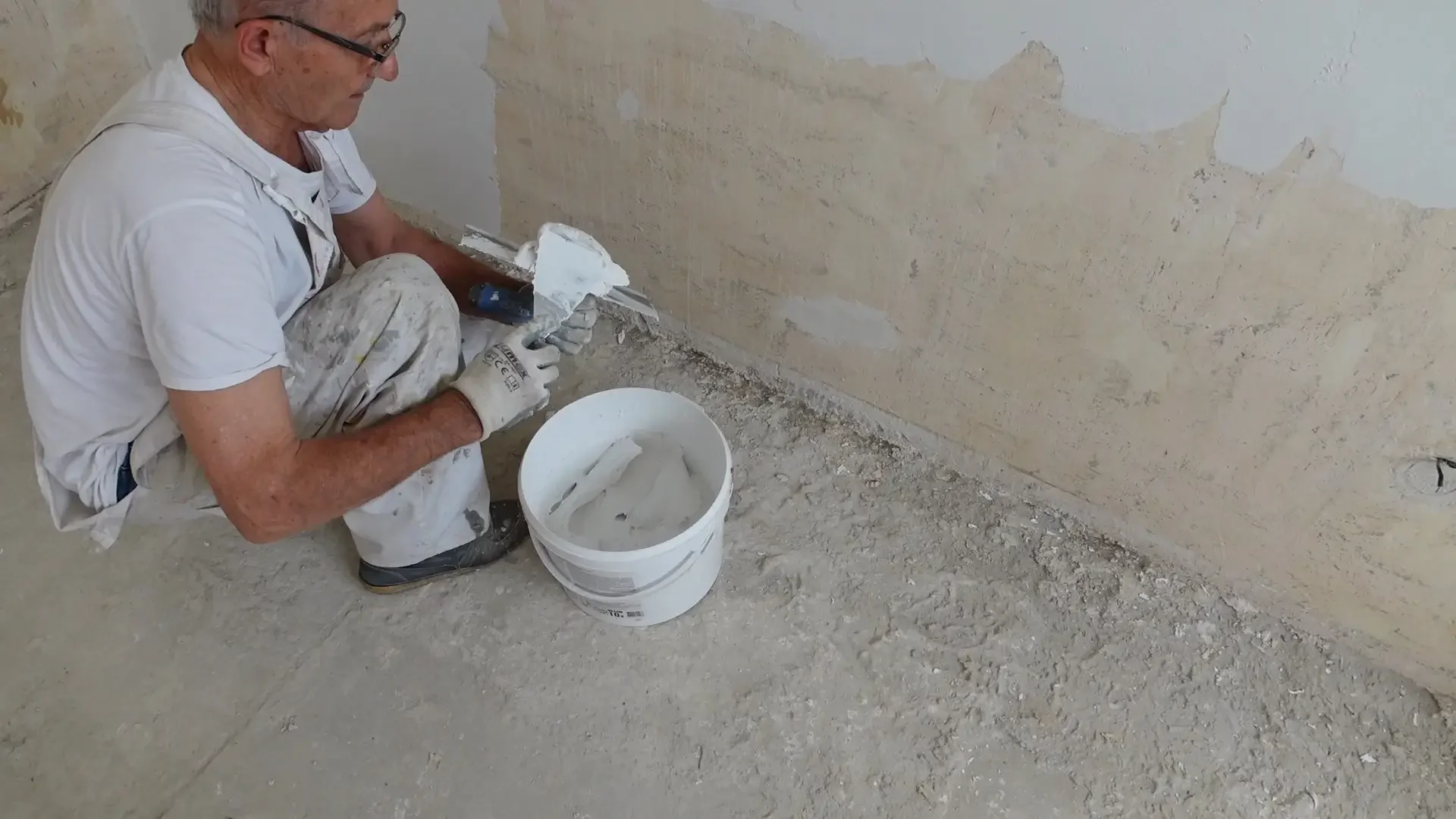
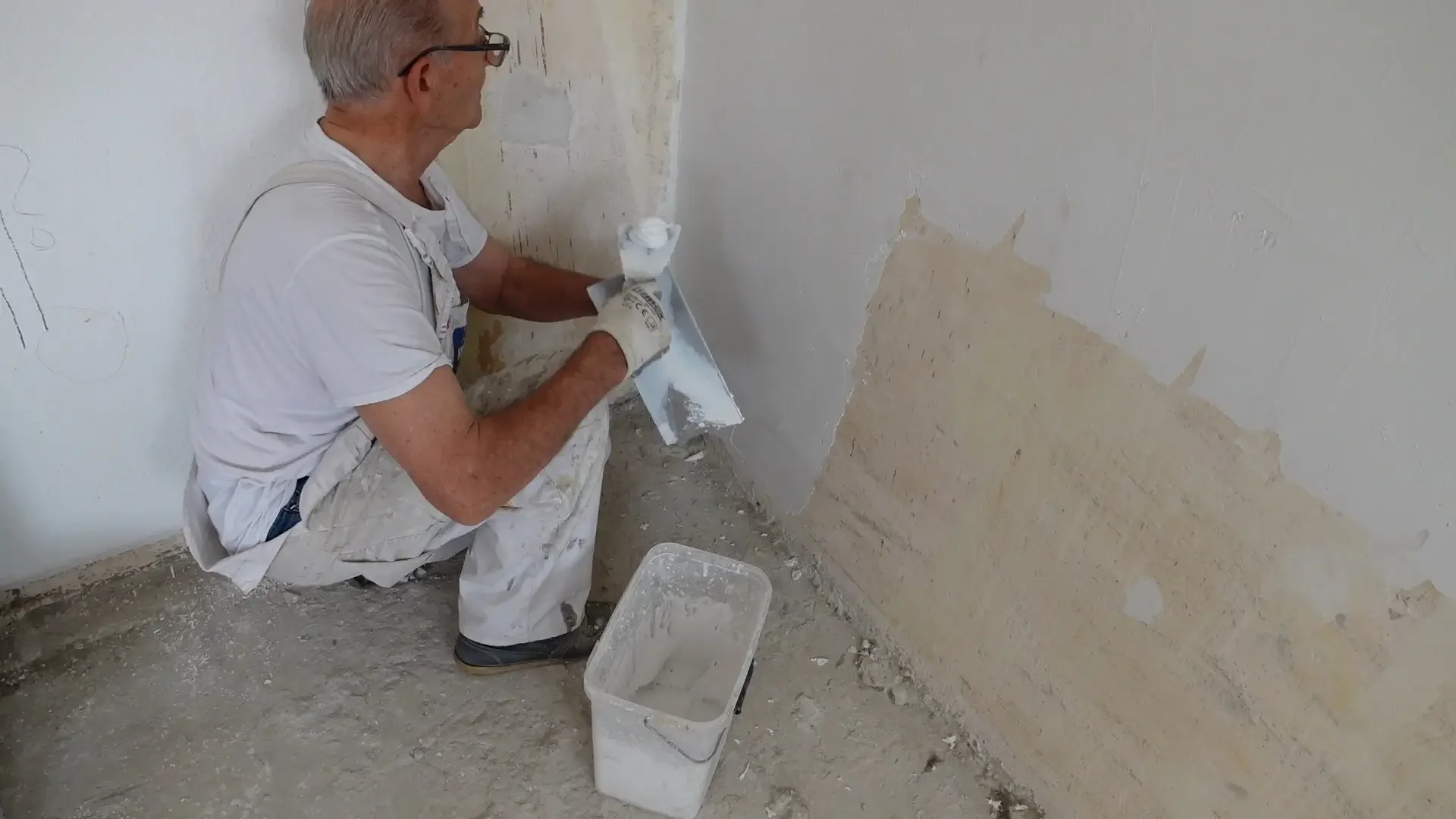
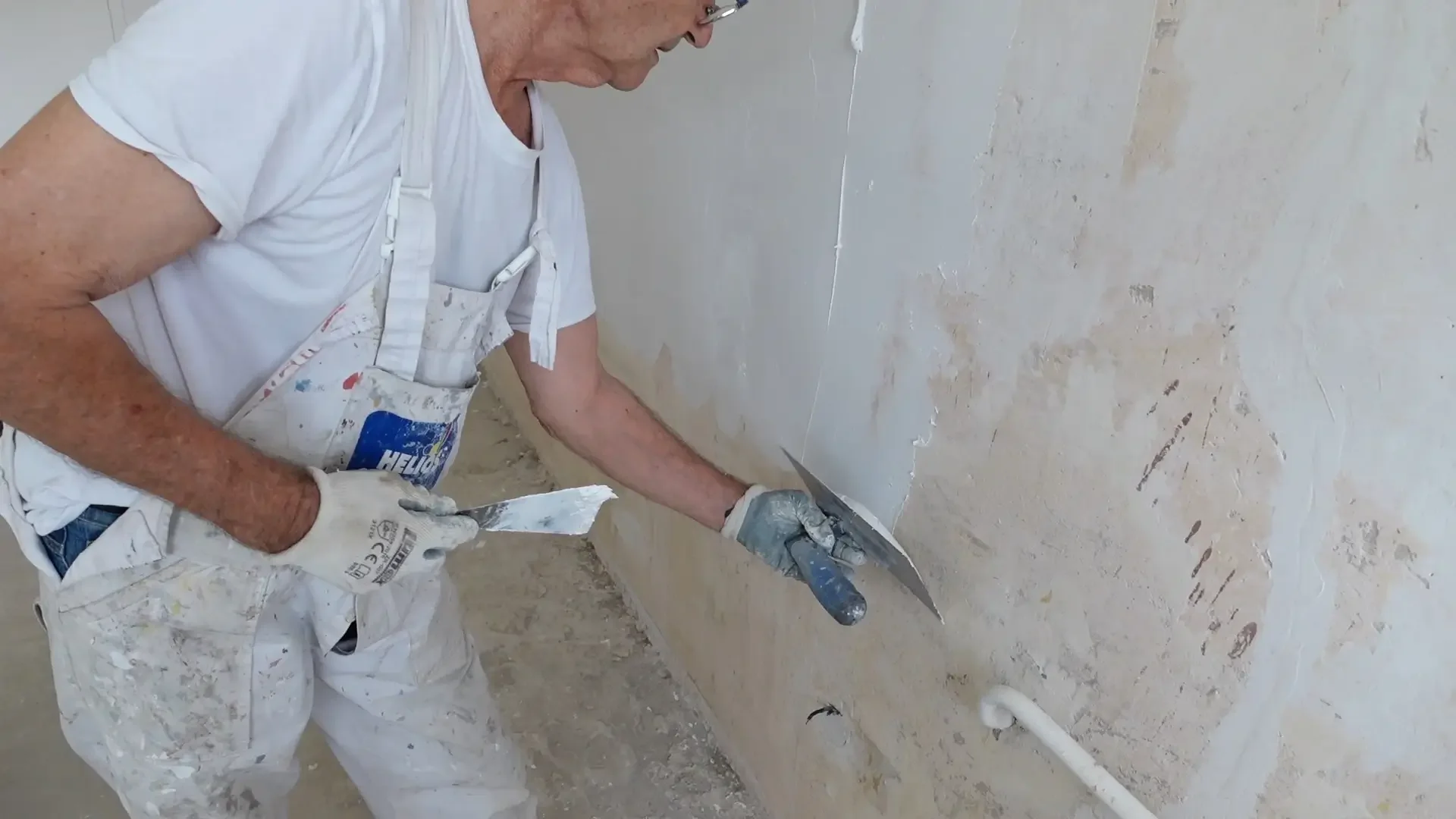
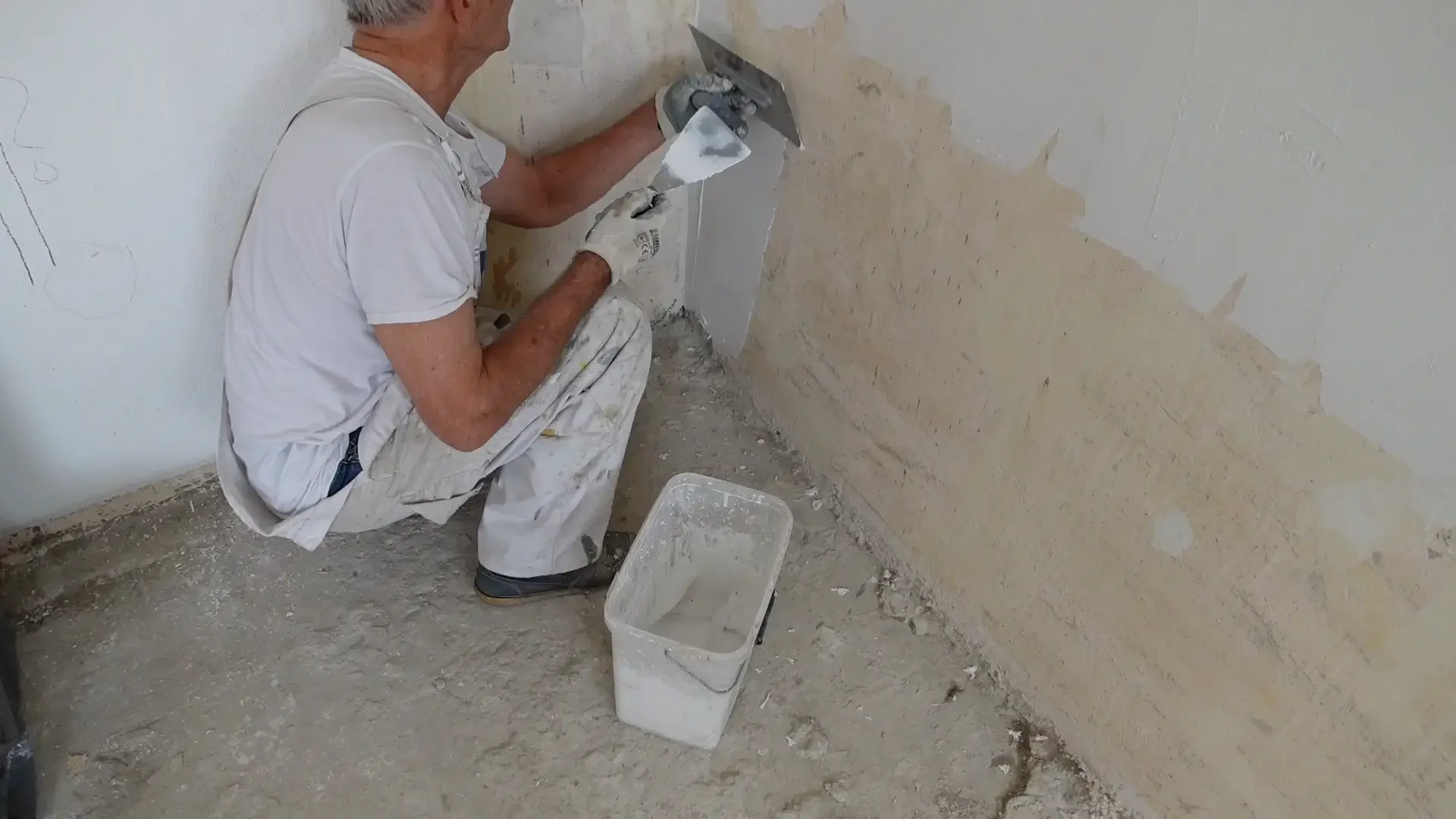
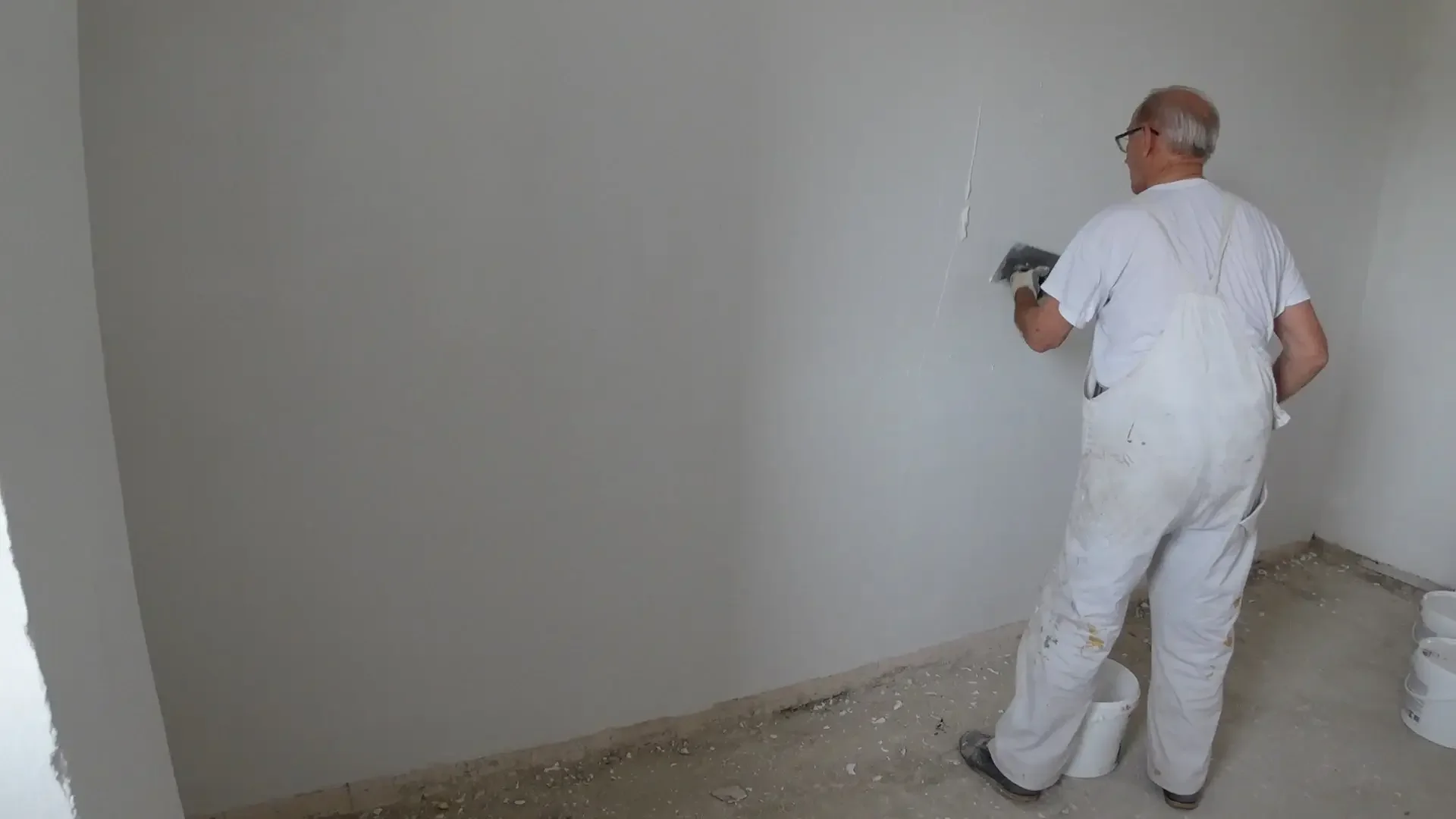
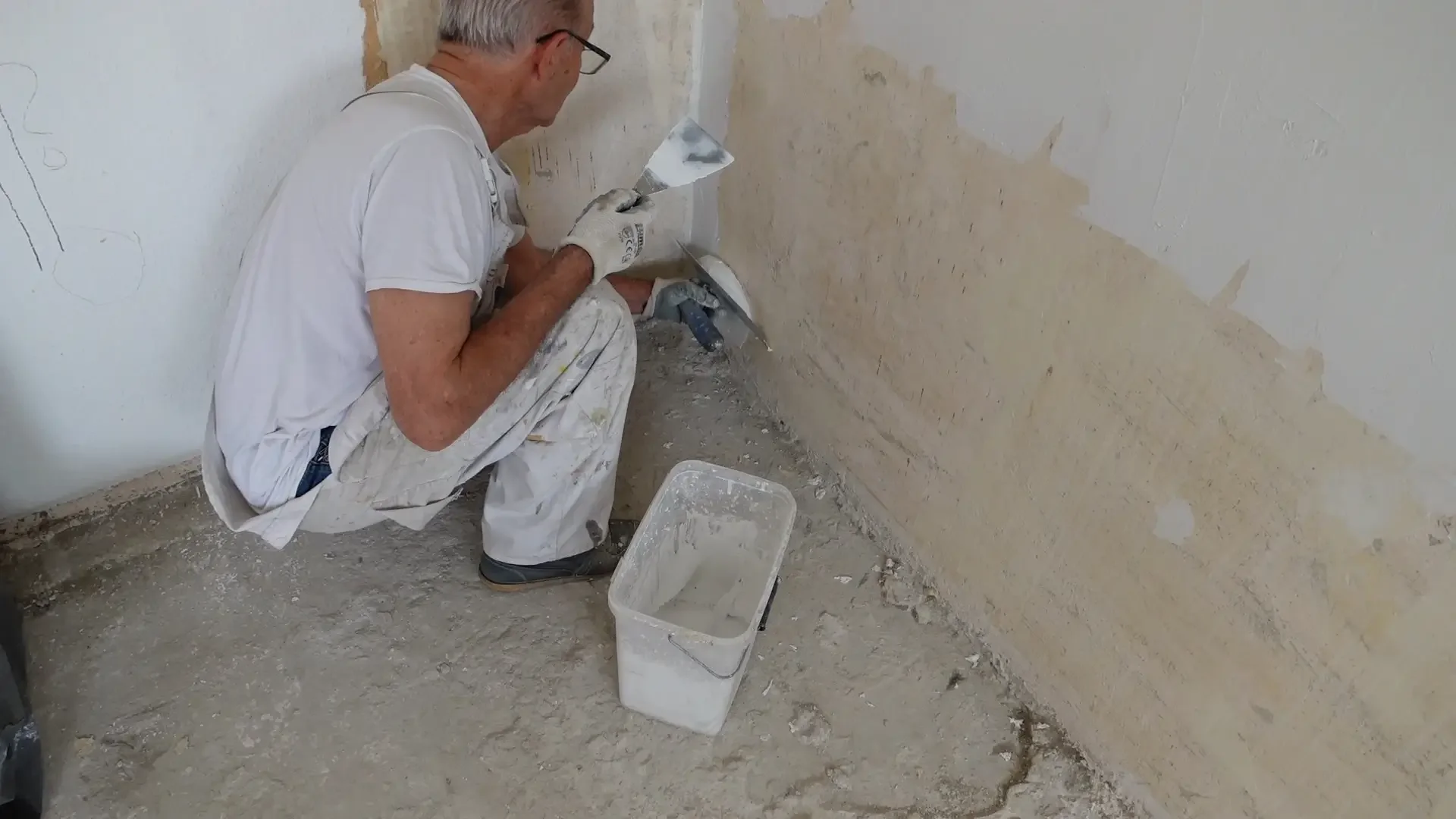
In apartments within residential buildings, we often encounter the problem of noise from loud talking, televisions, or music from neighbors. This problem can be significantly mitigated or completely eliminated by applying sound insulation to the walls between apartments. Bronya Sound Barrier is a special sound insulation coating that, with a thickness of only 1.5 mm, reduces noise by 20 dB. We recently successfully completed soundproofing the walls in an apartment in Zagreb, in Jarun.
Basement wall and floor insulation in Petrinja
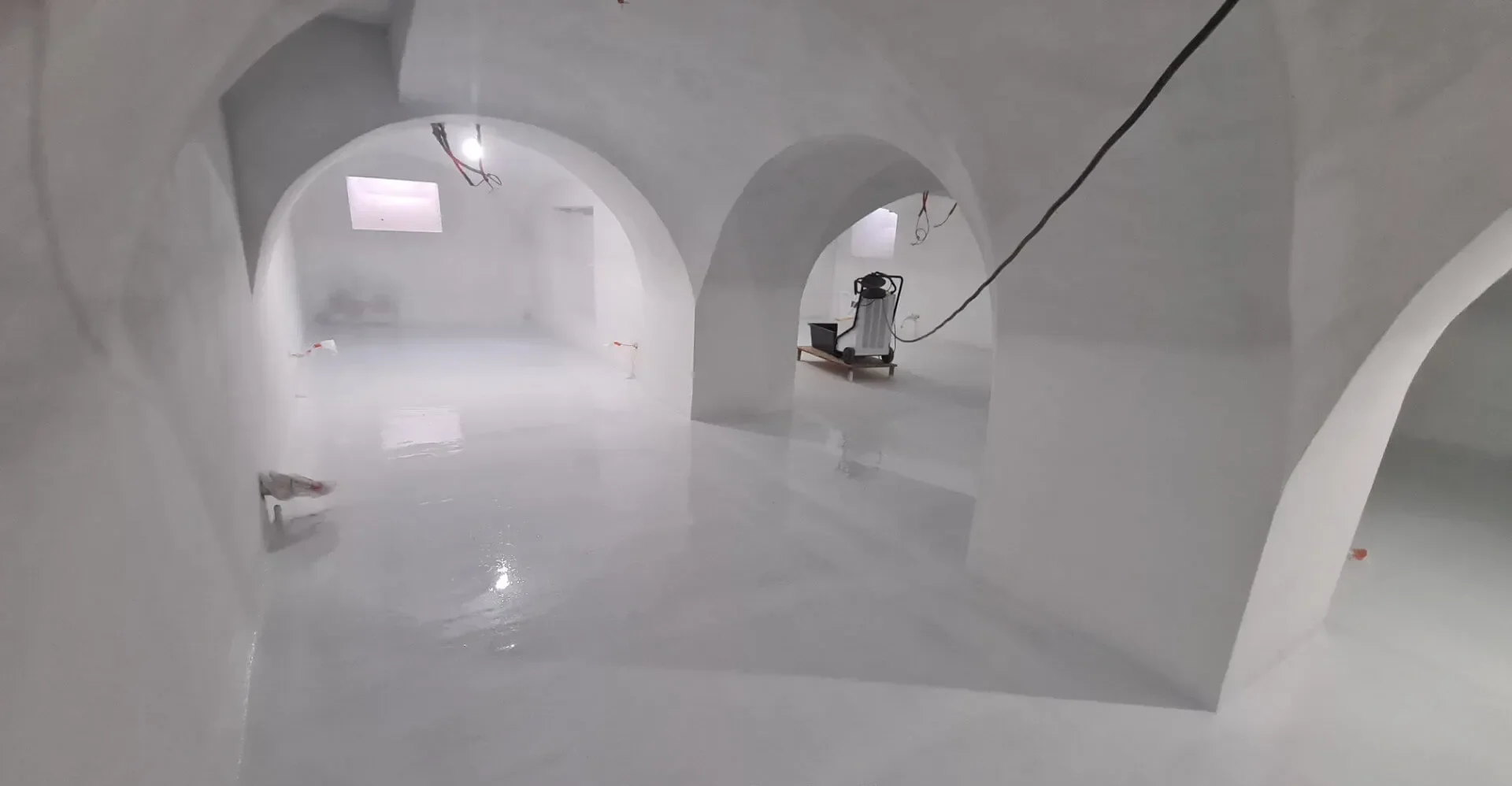
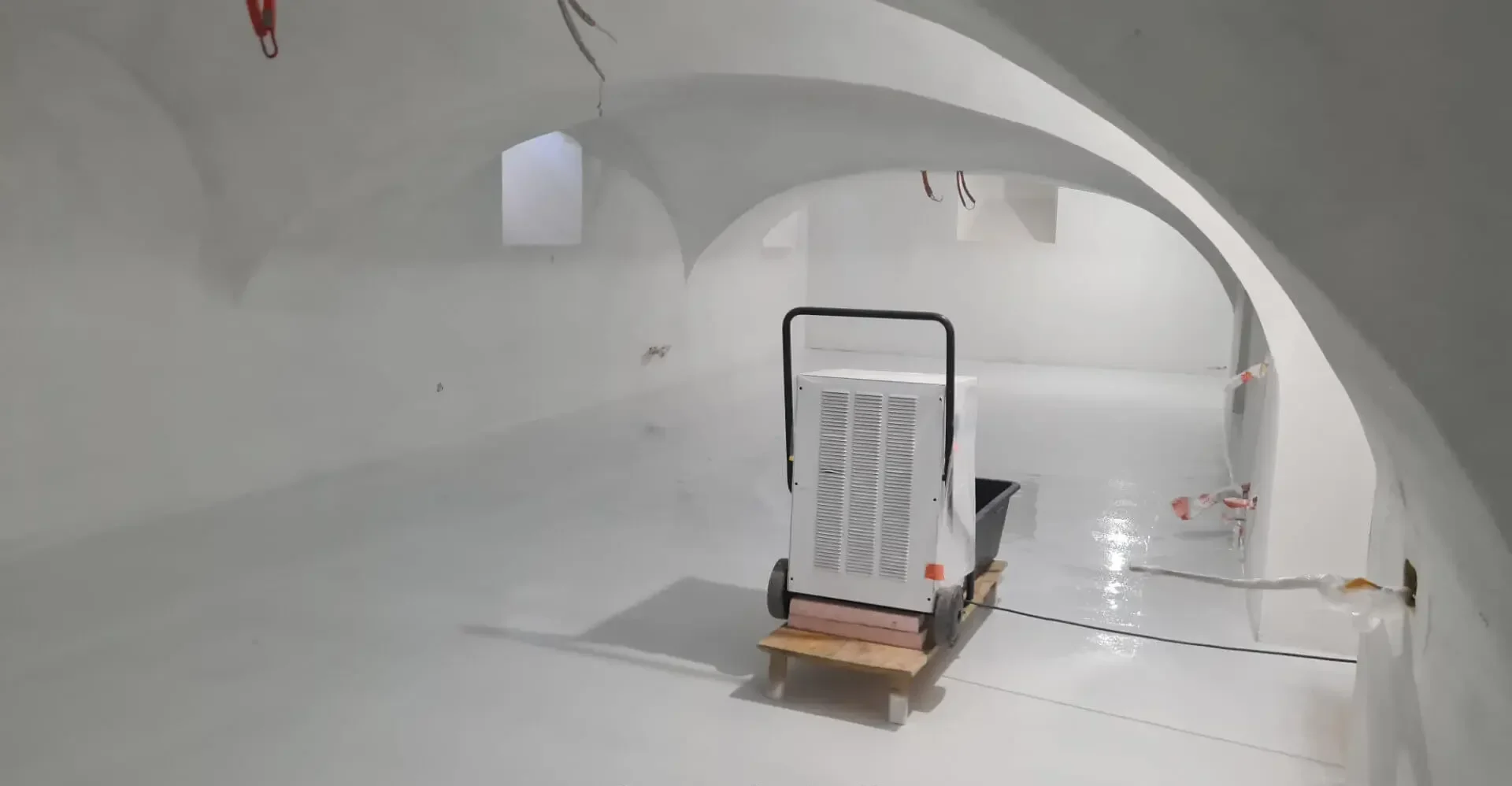
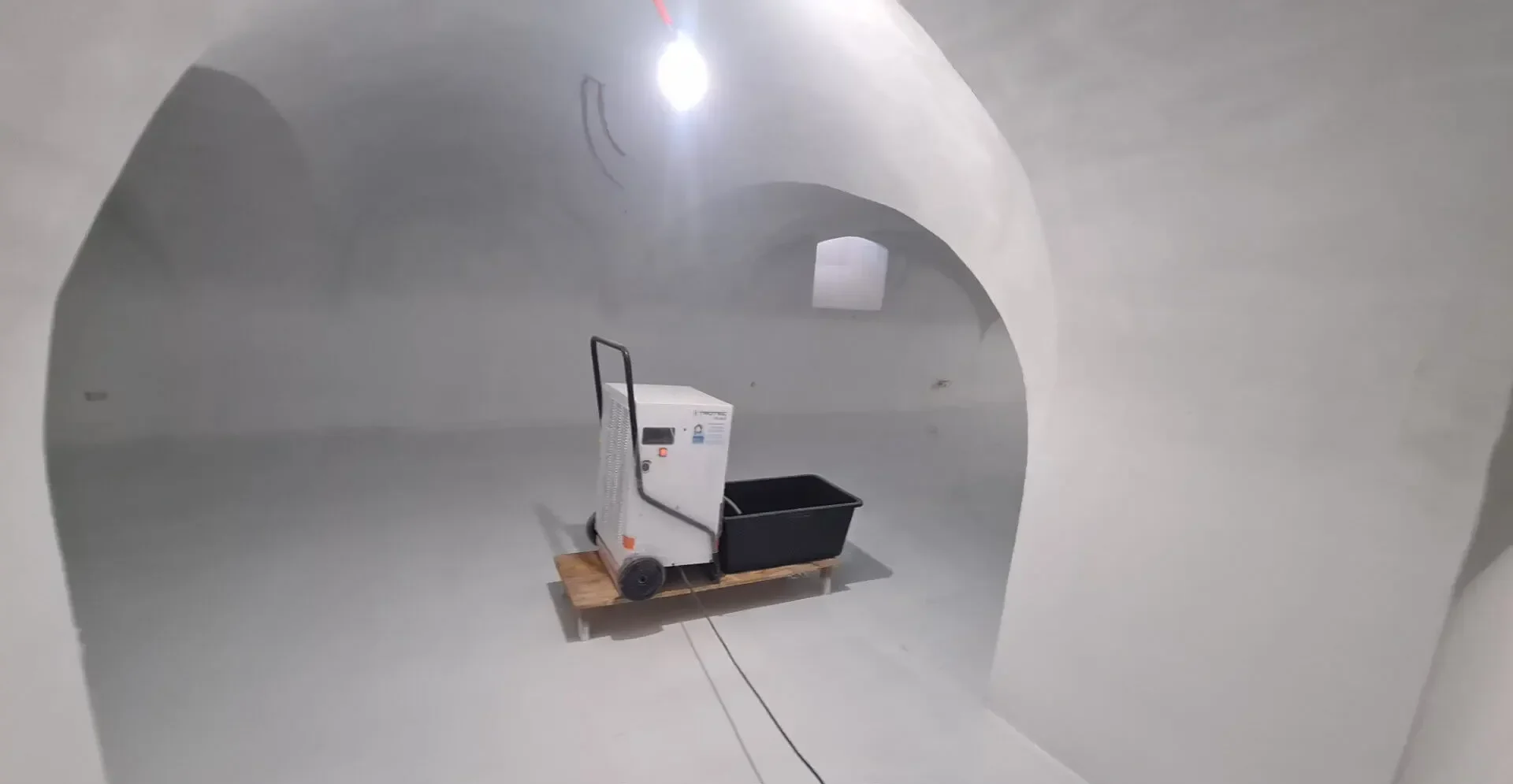
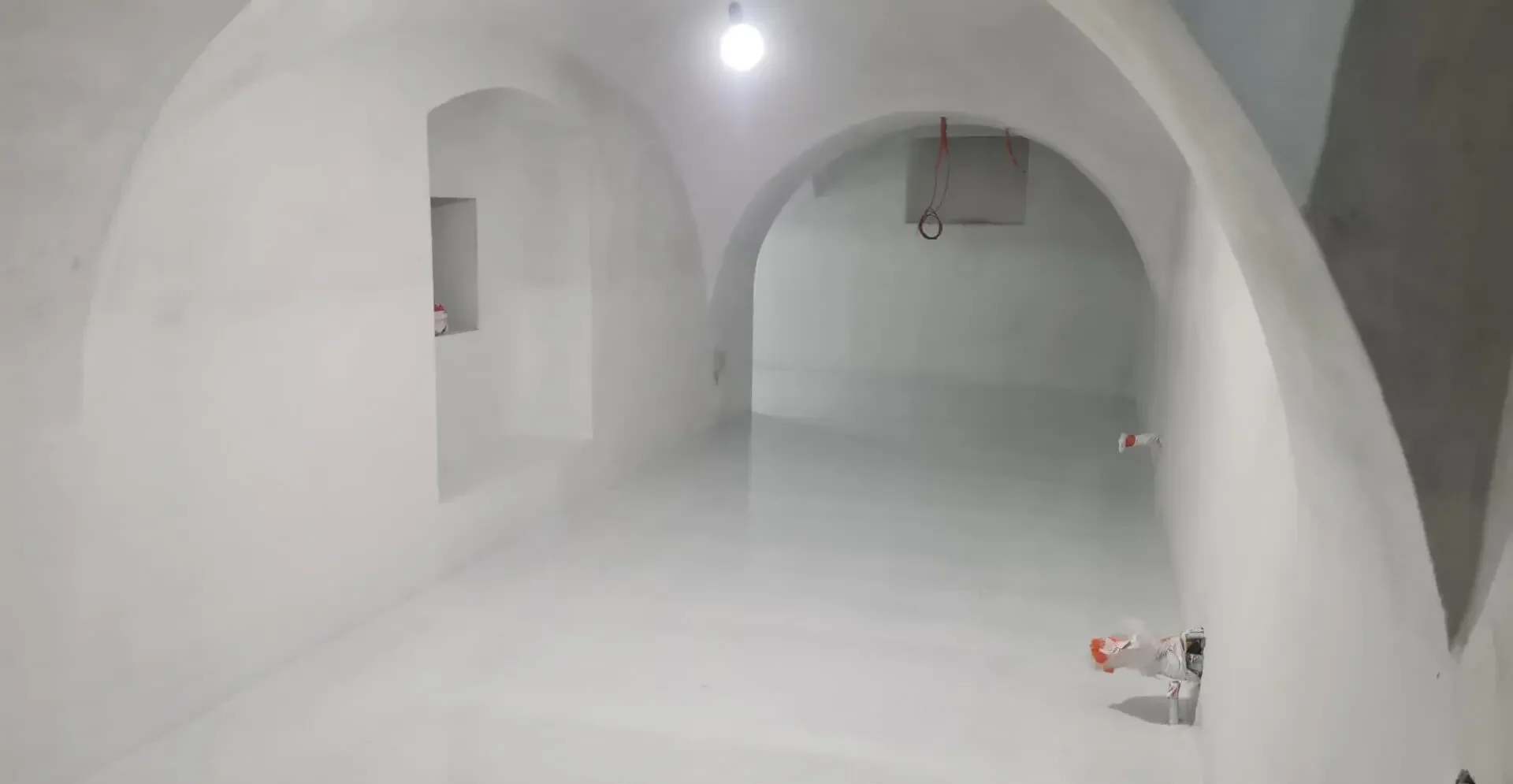
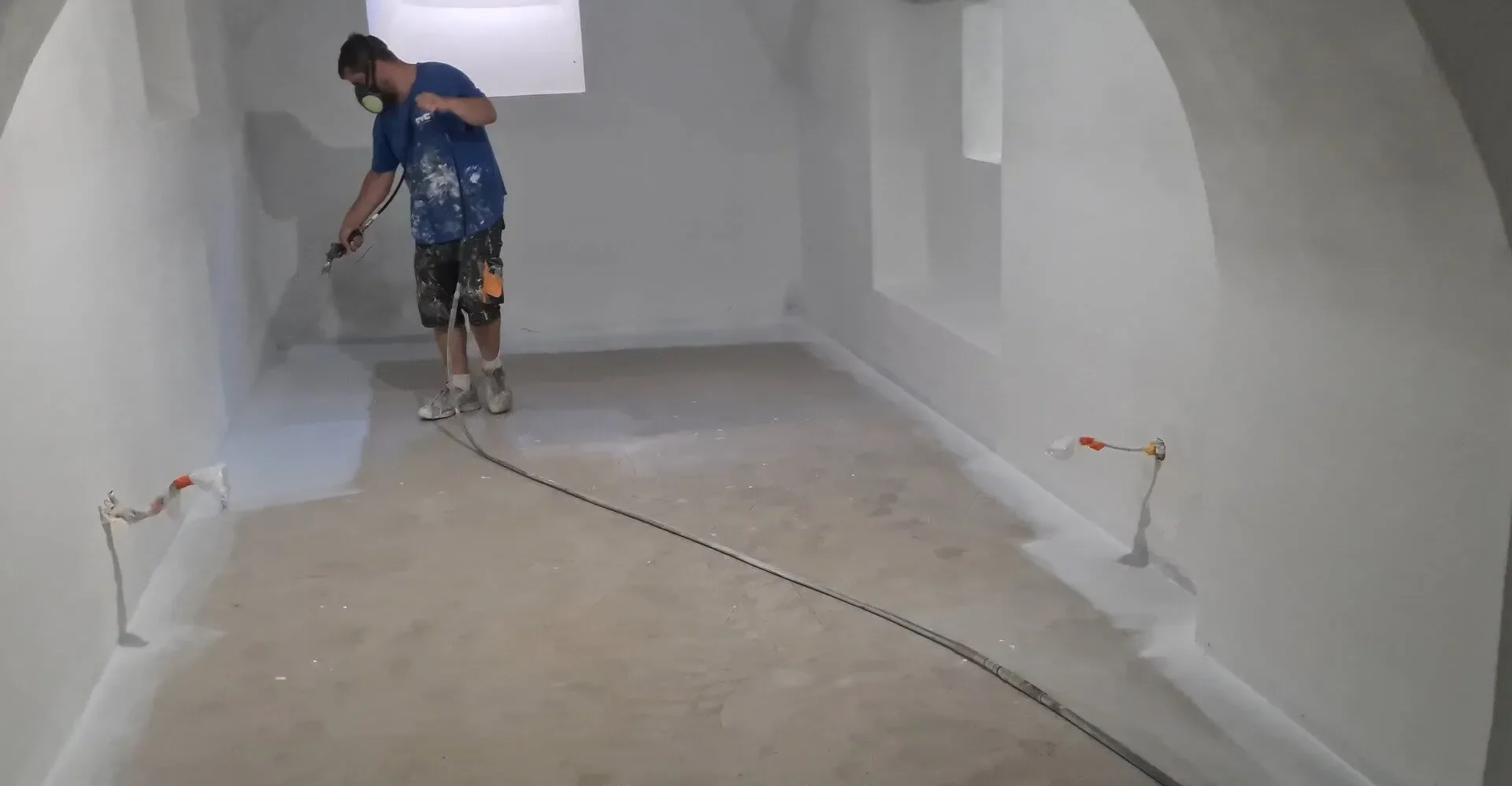
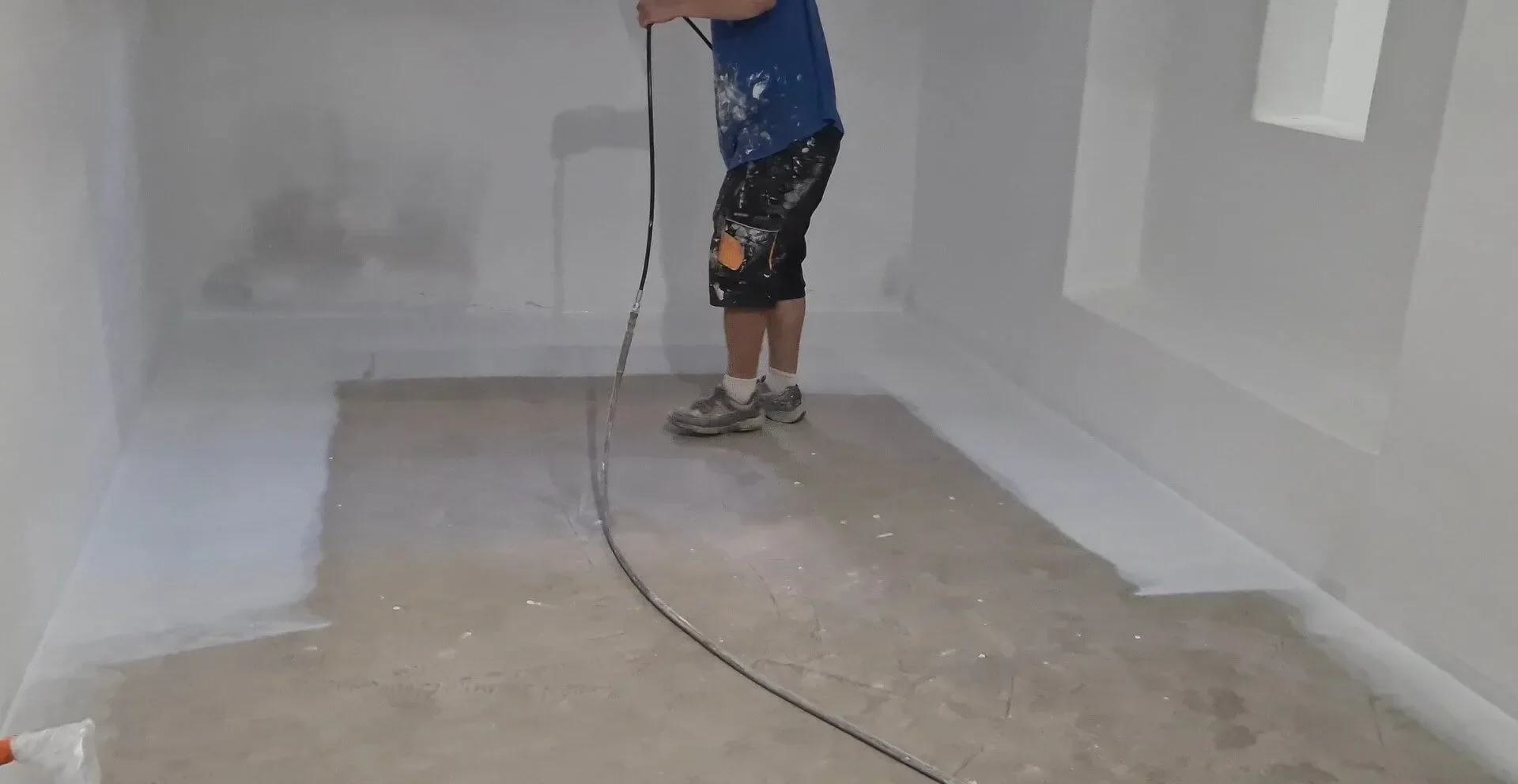
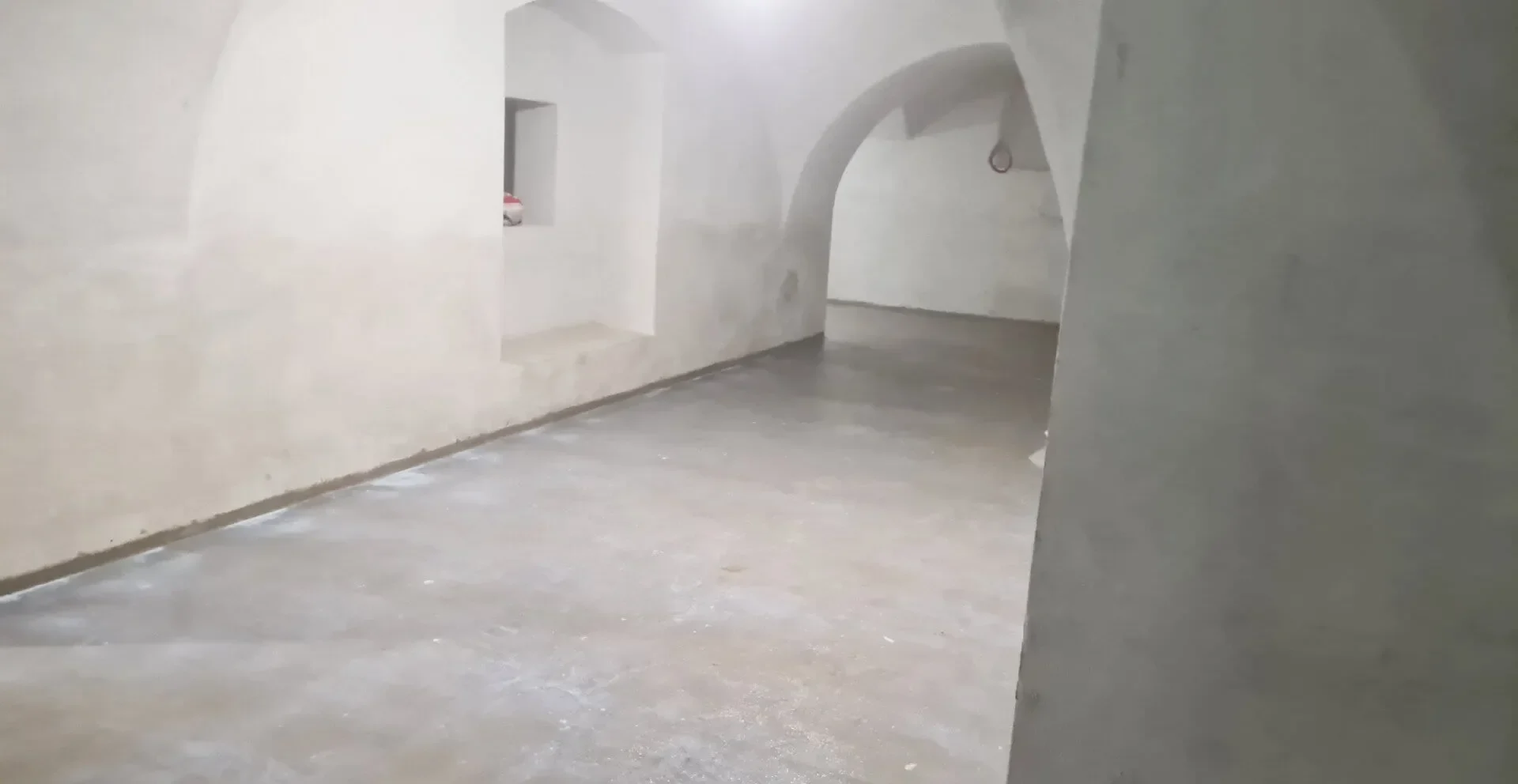
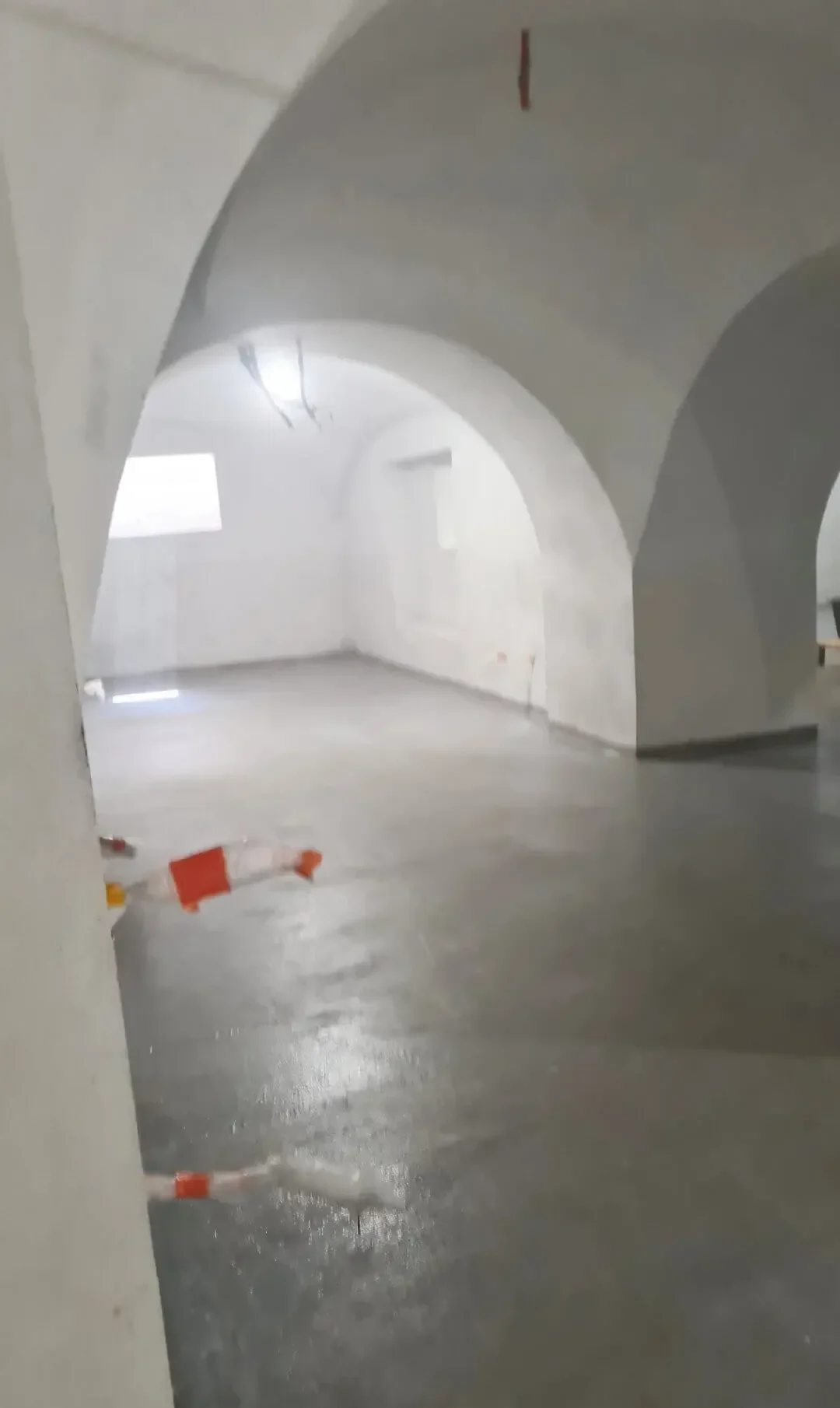
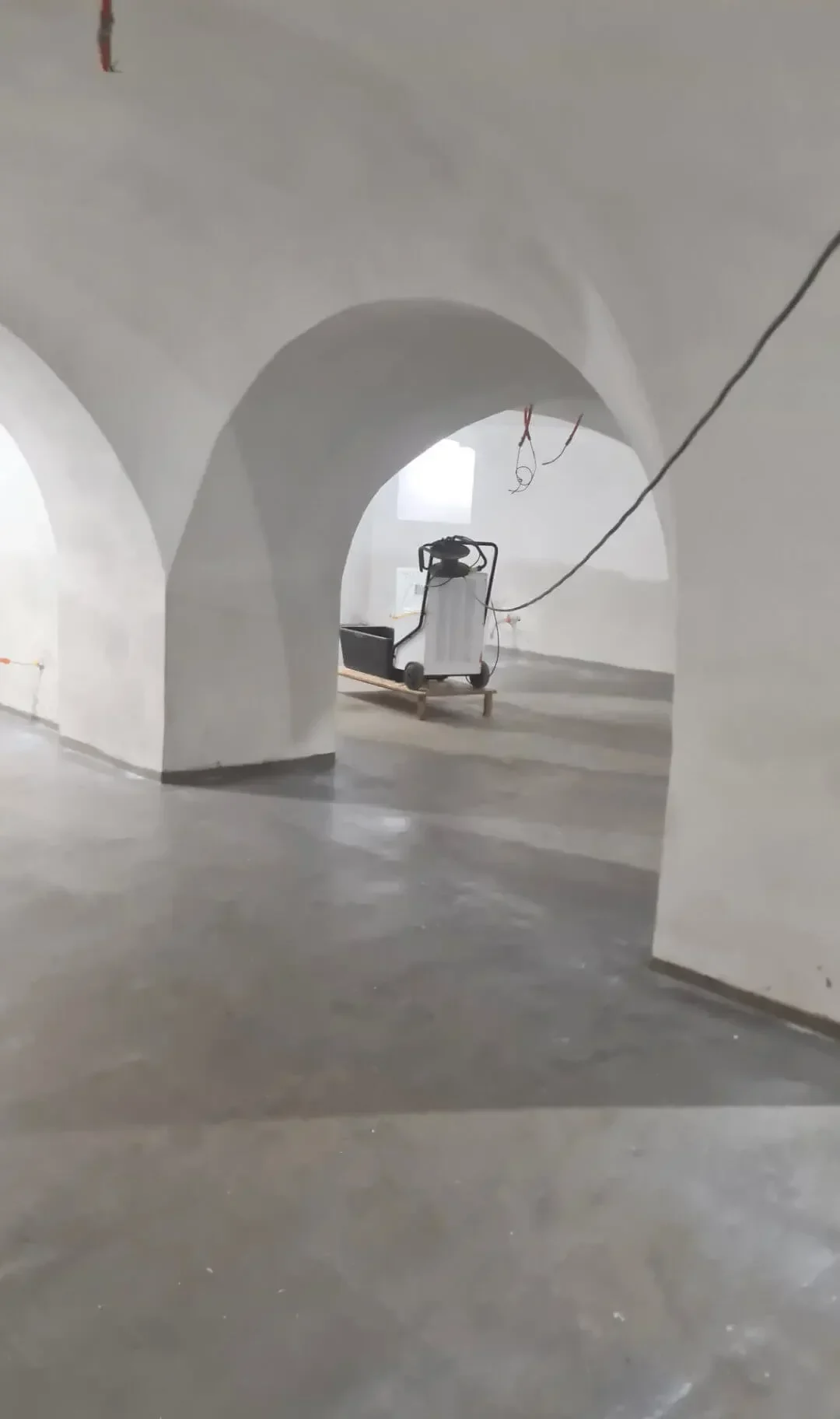
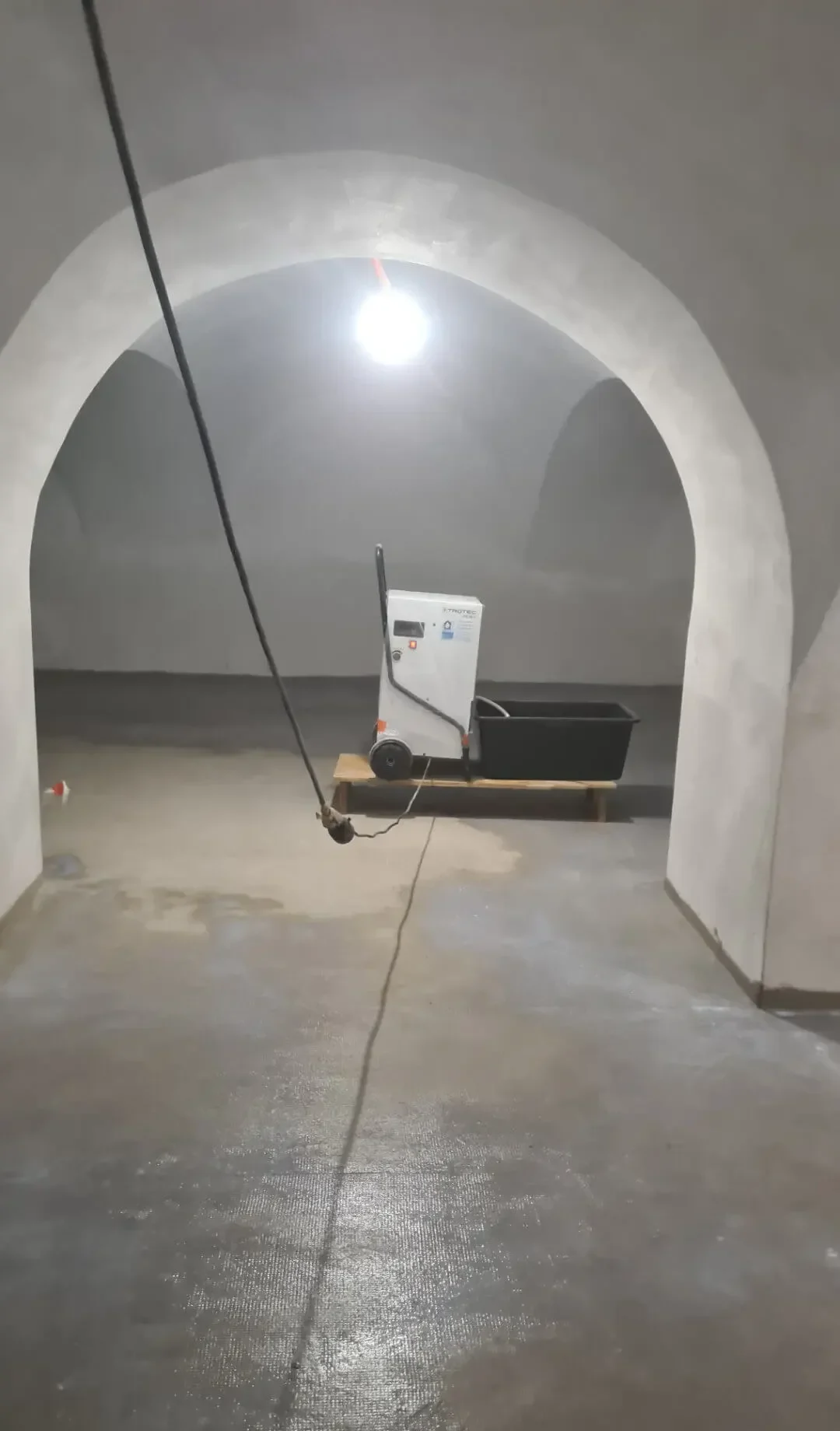
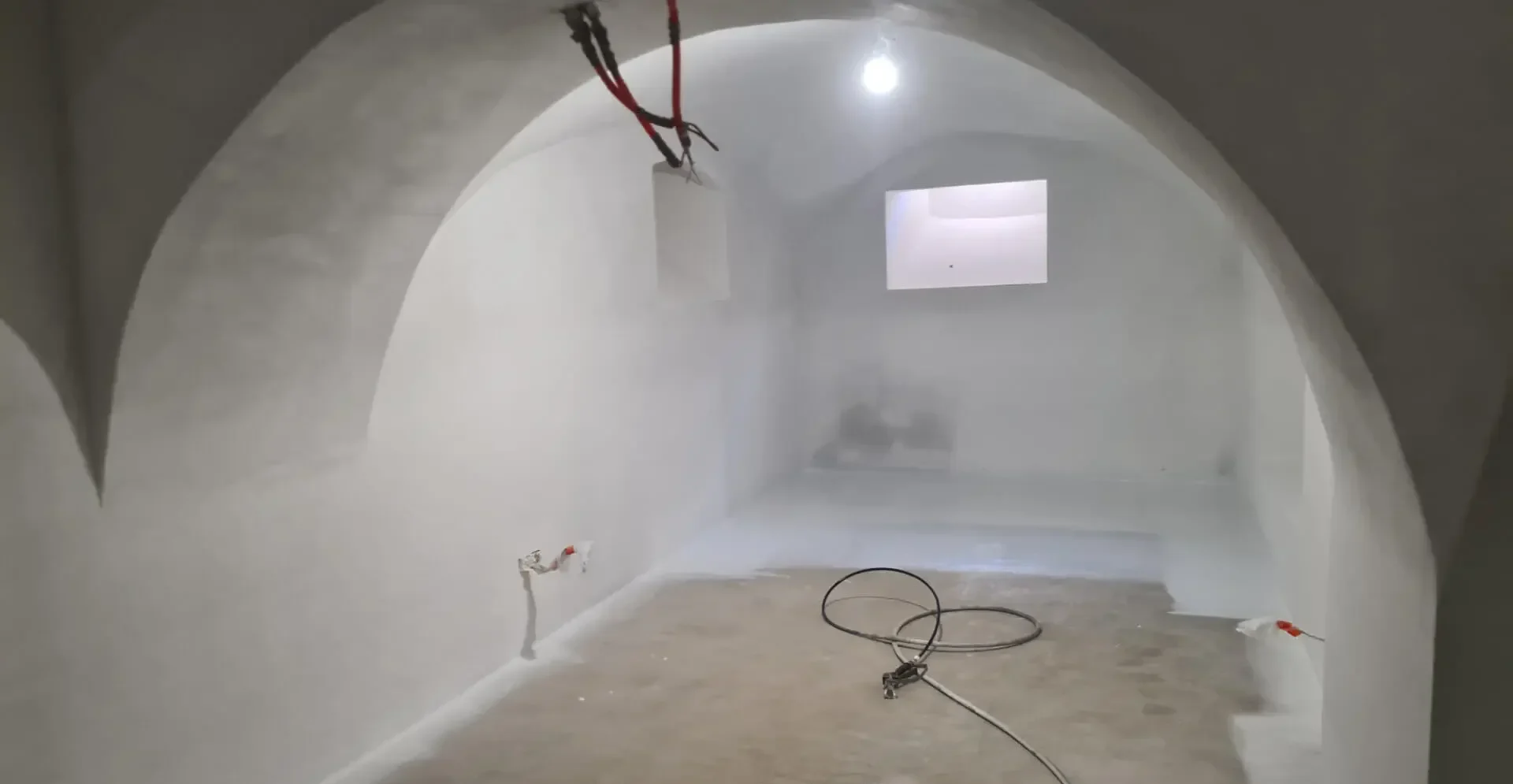
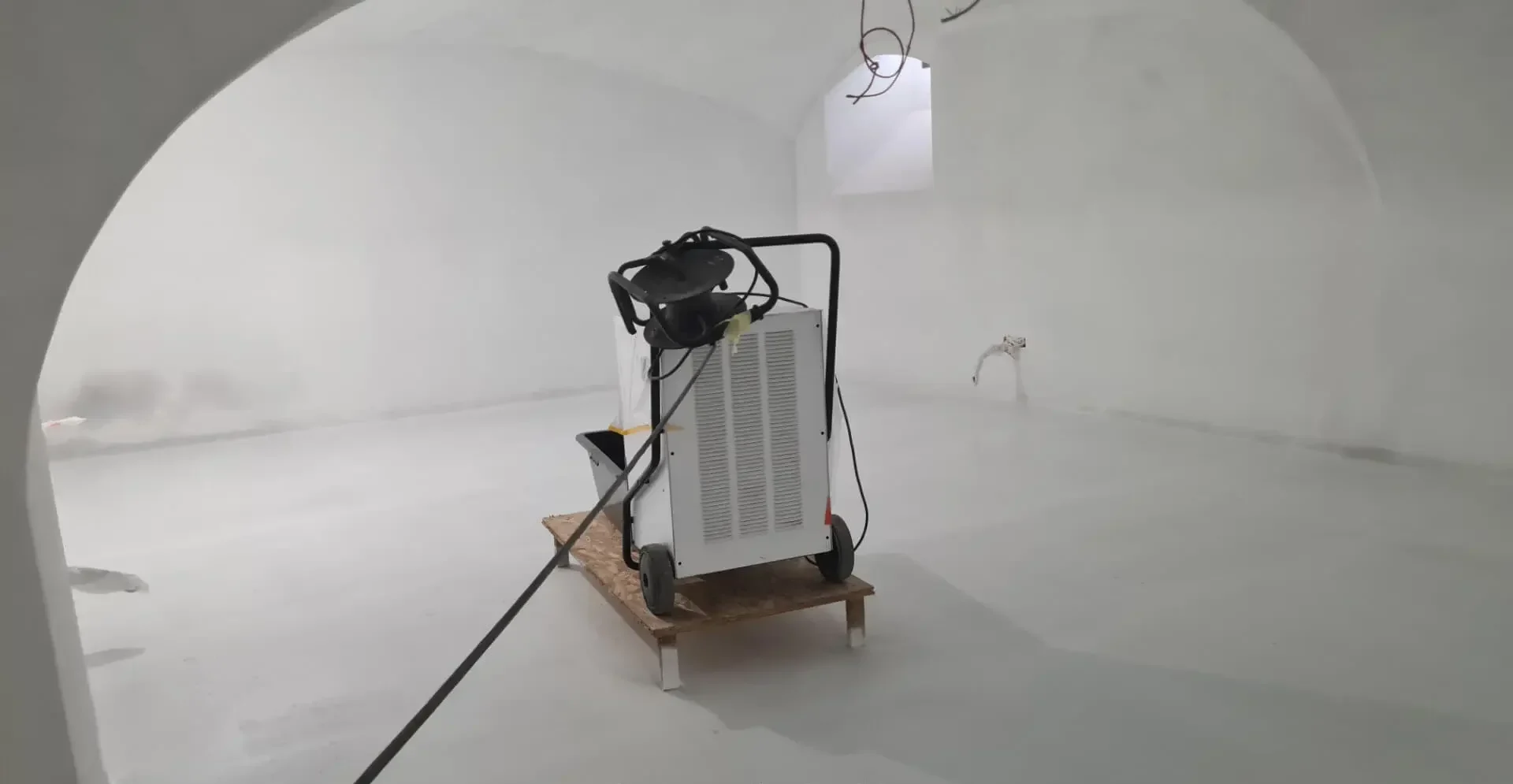
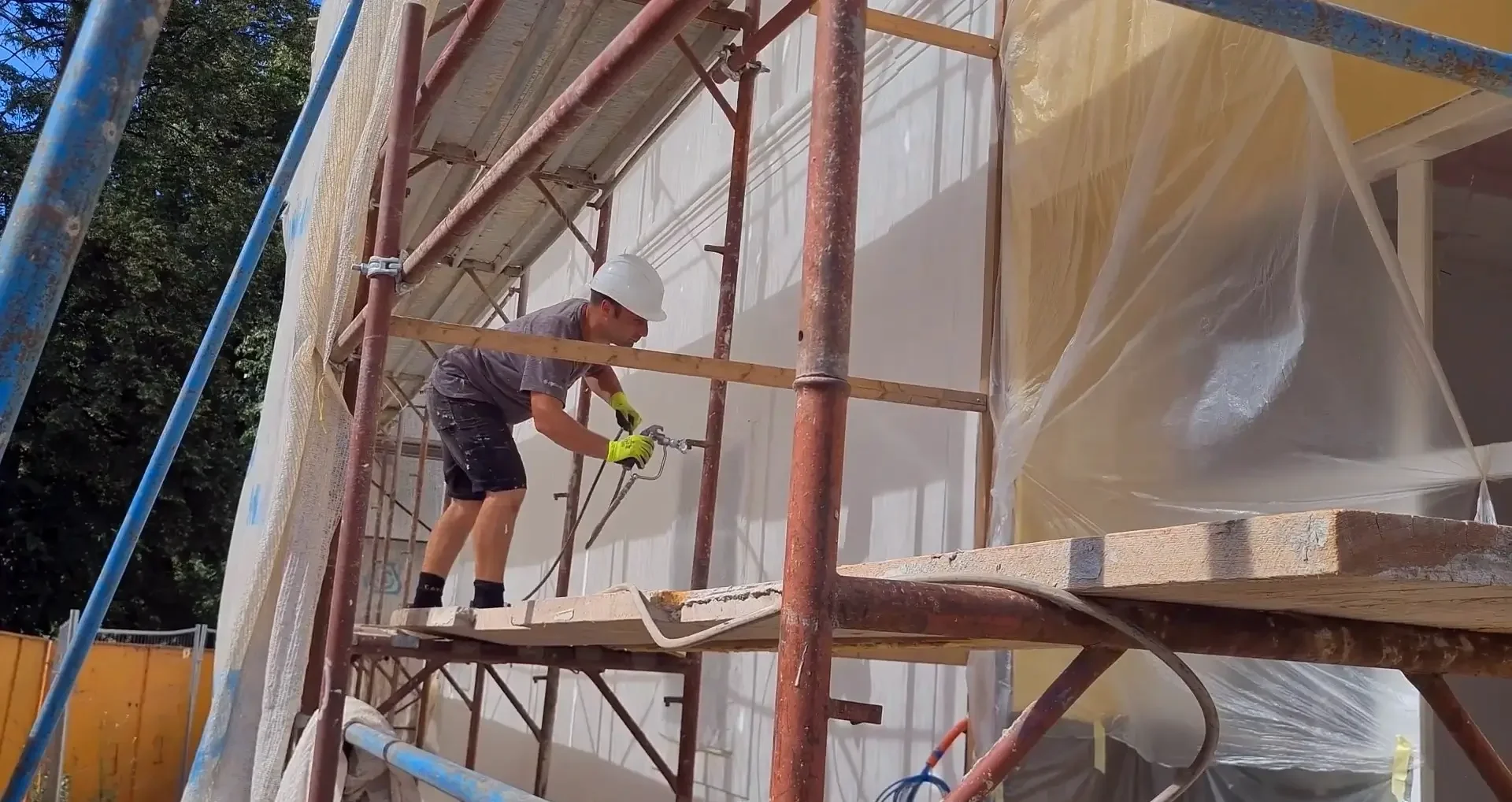
In July 2024, thermal insulation work was carried out on the floor and walls of the basement of a building that is a protected cultural monument in Petrinja.
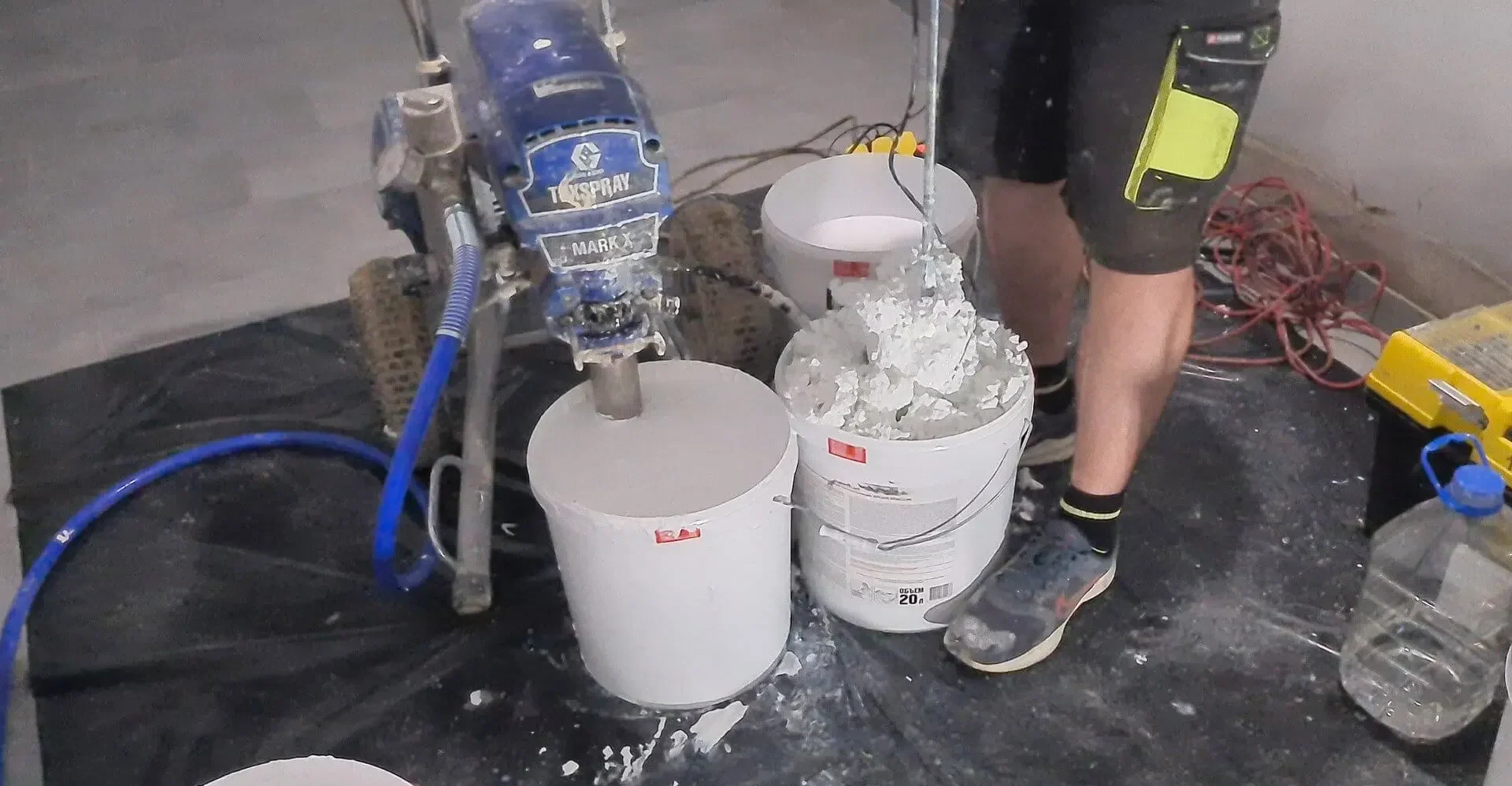
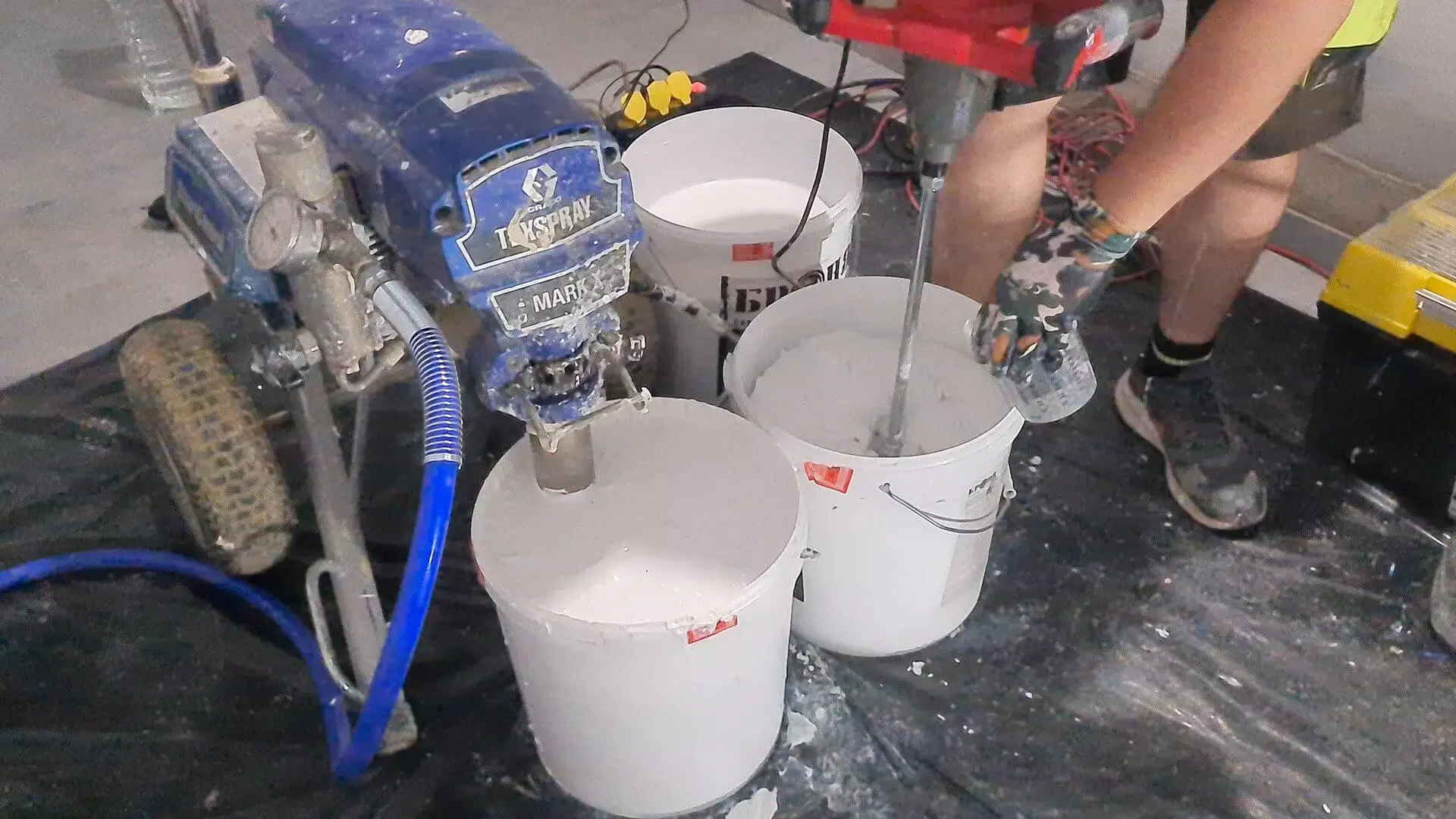
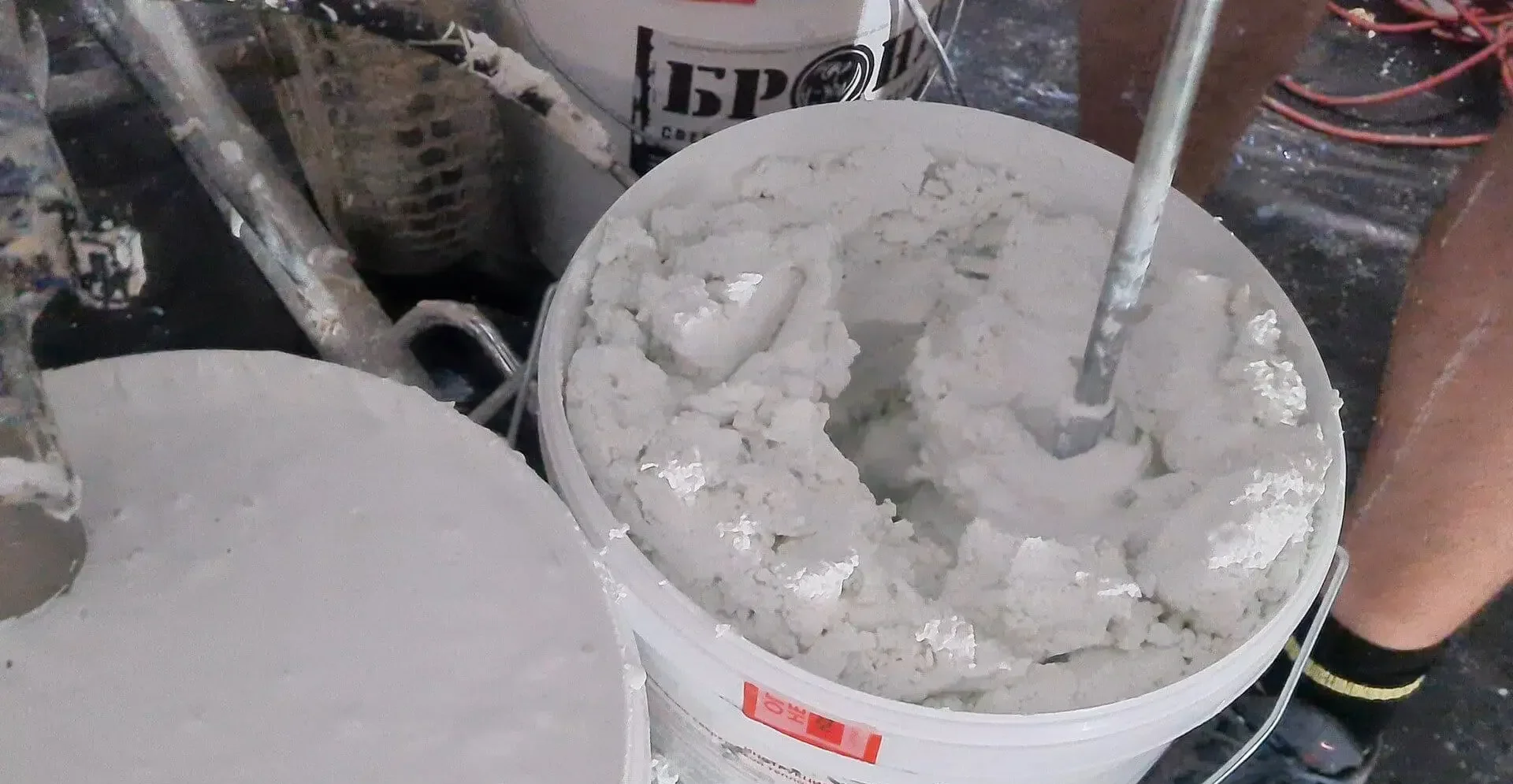
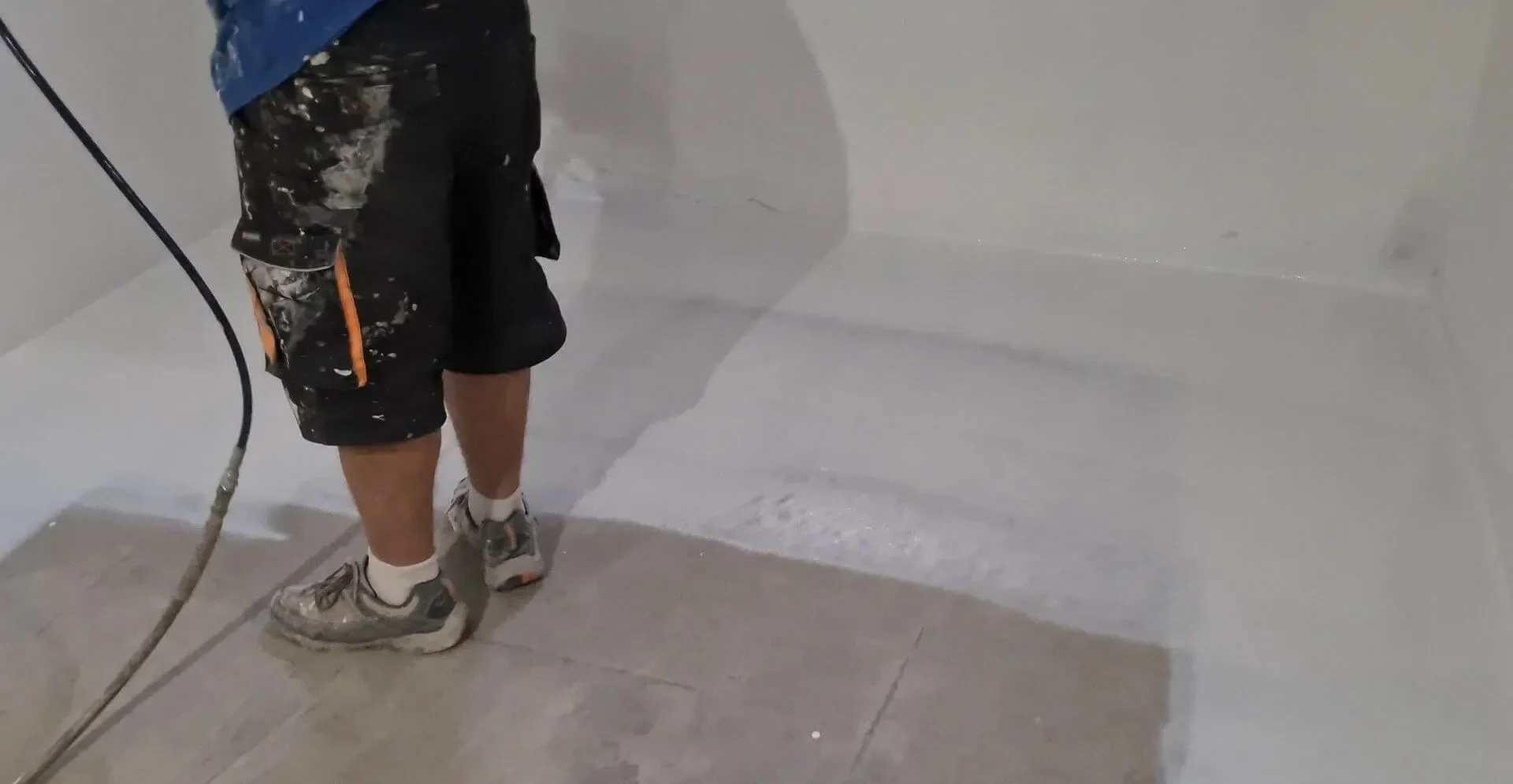
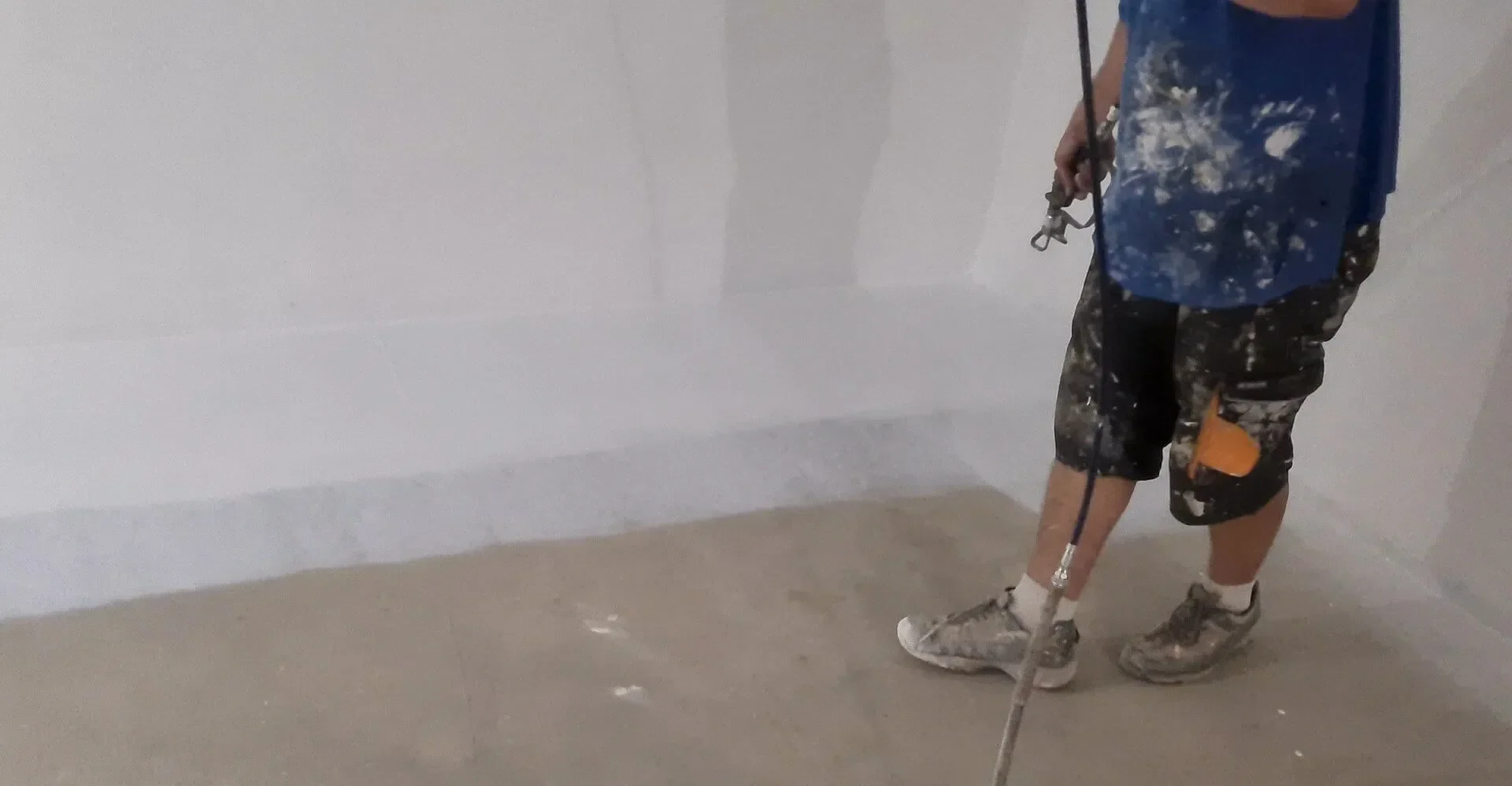
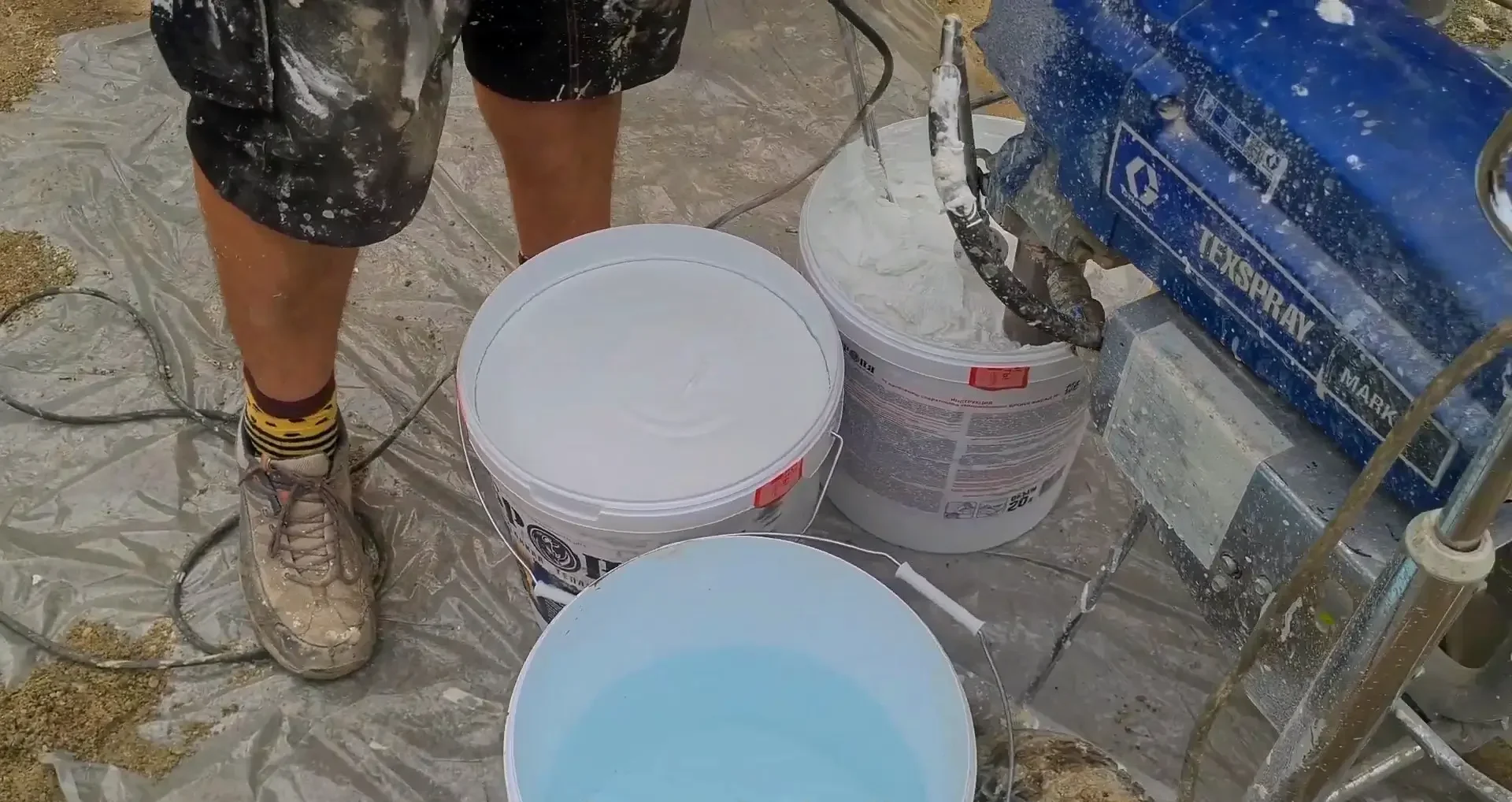
The wall surface area was 90 m2, while the floor surface area was 200 m2. Polymer micro-ceramic thermal insulation was applied to the walls Bronya Facade up to 1.5 mm thick, applied in three layers.
The floors were treated with Bronya Classic polymer micro-ceramic thermal insulation, also up to 1.5 mm thick and in three layers. The drying of the basement space was accelerated by using a dehumidifier.
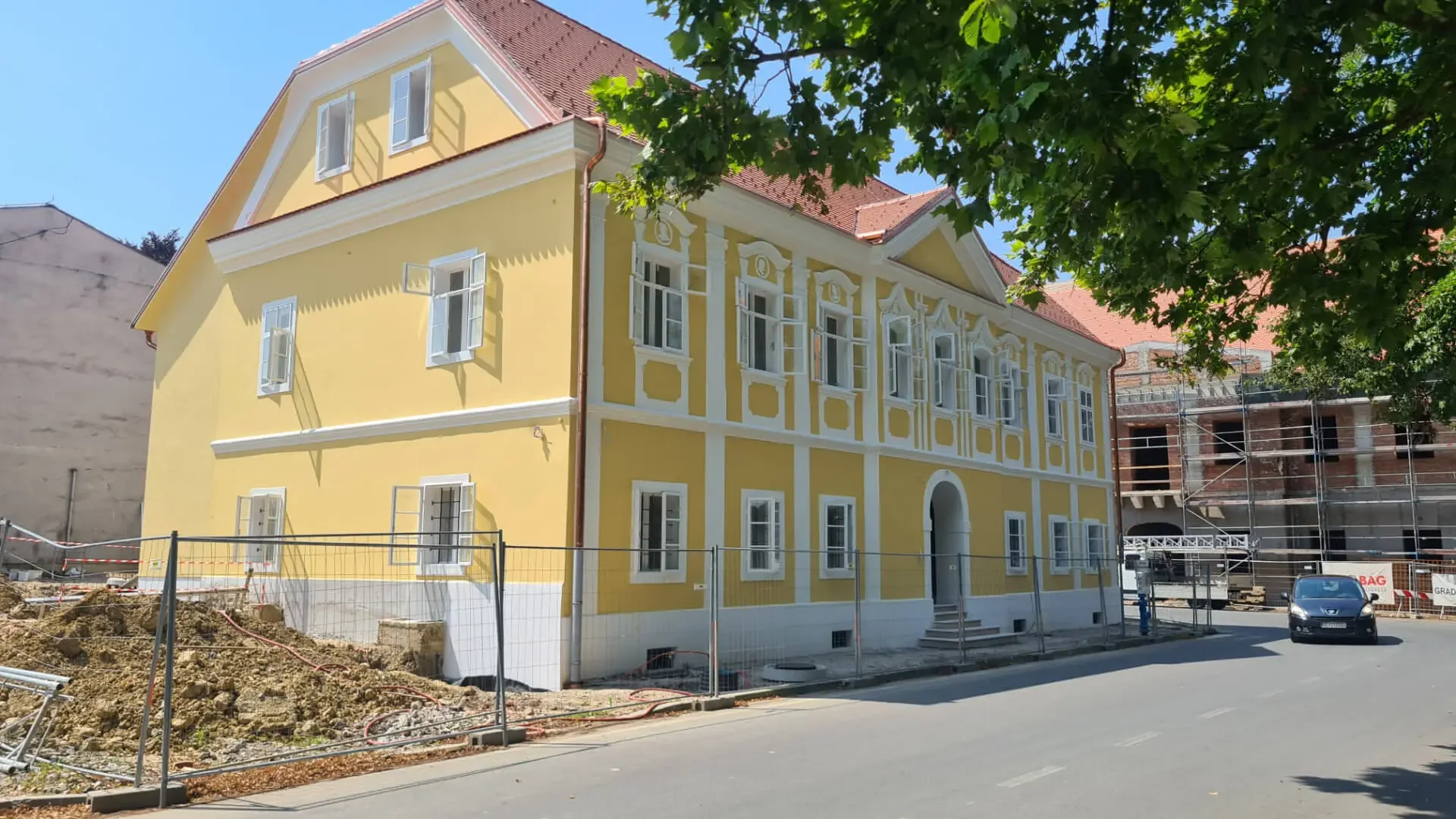
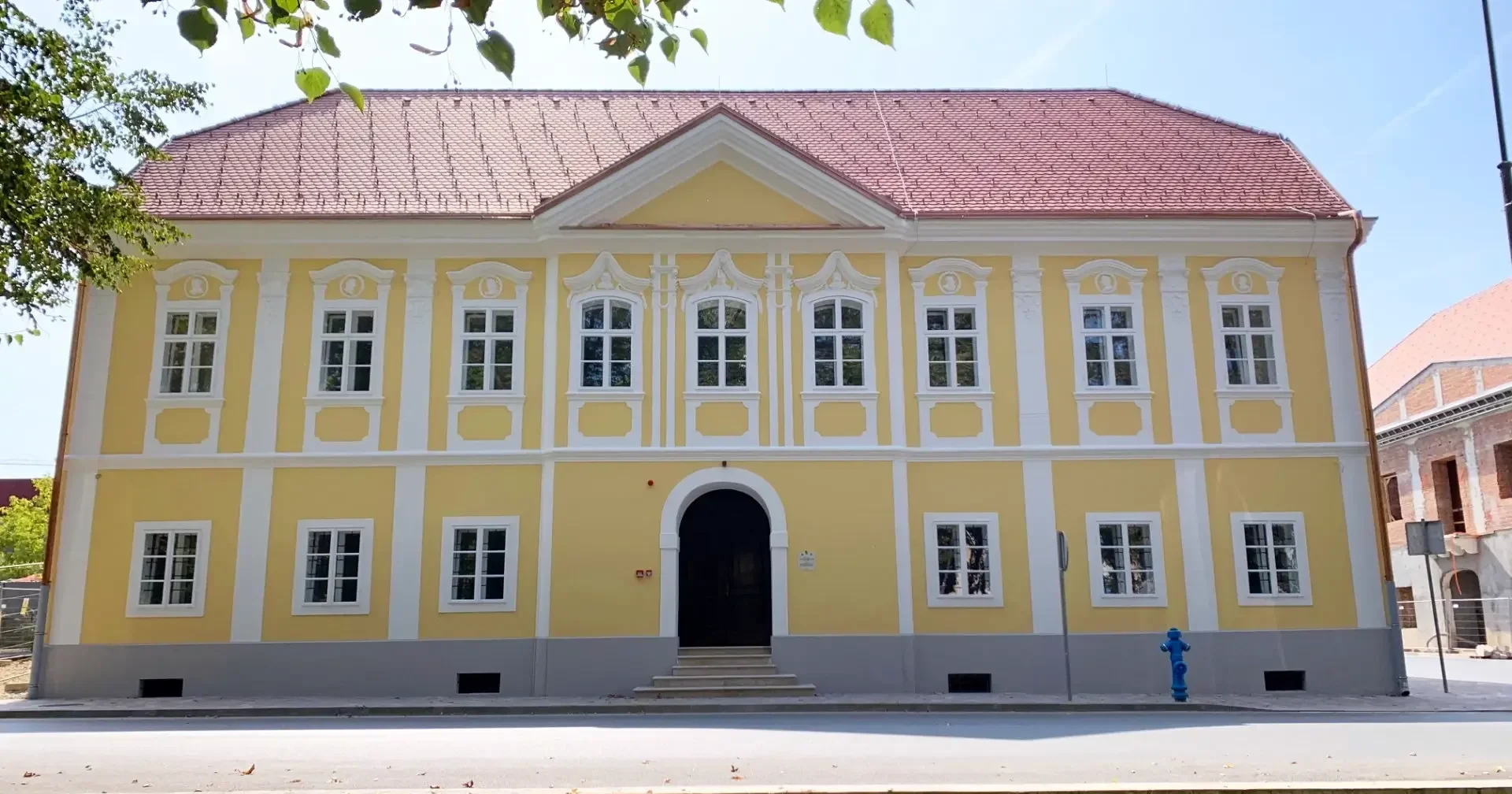
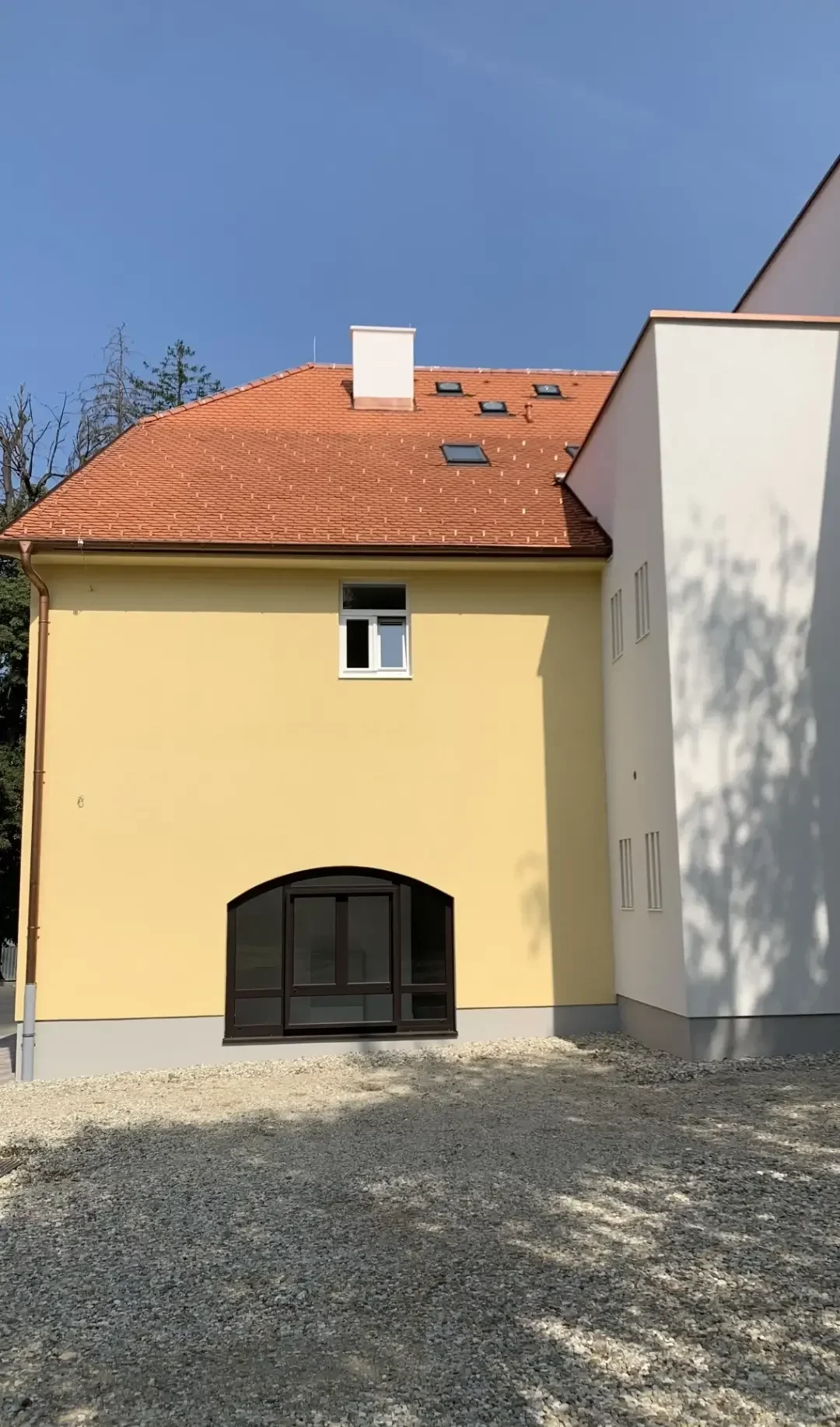
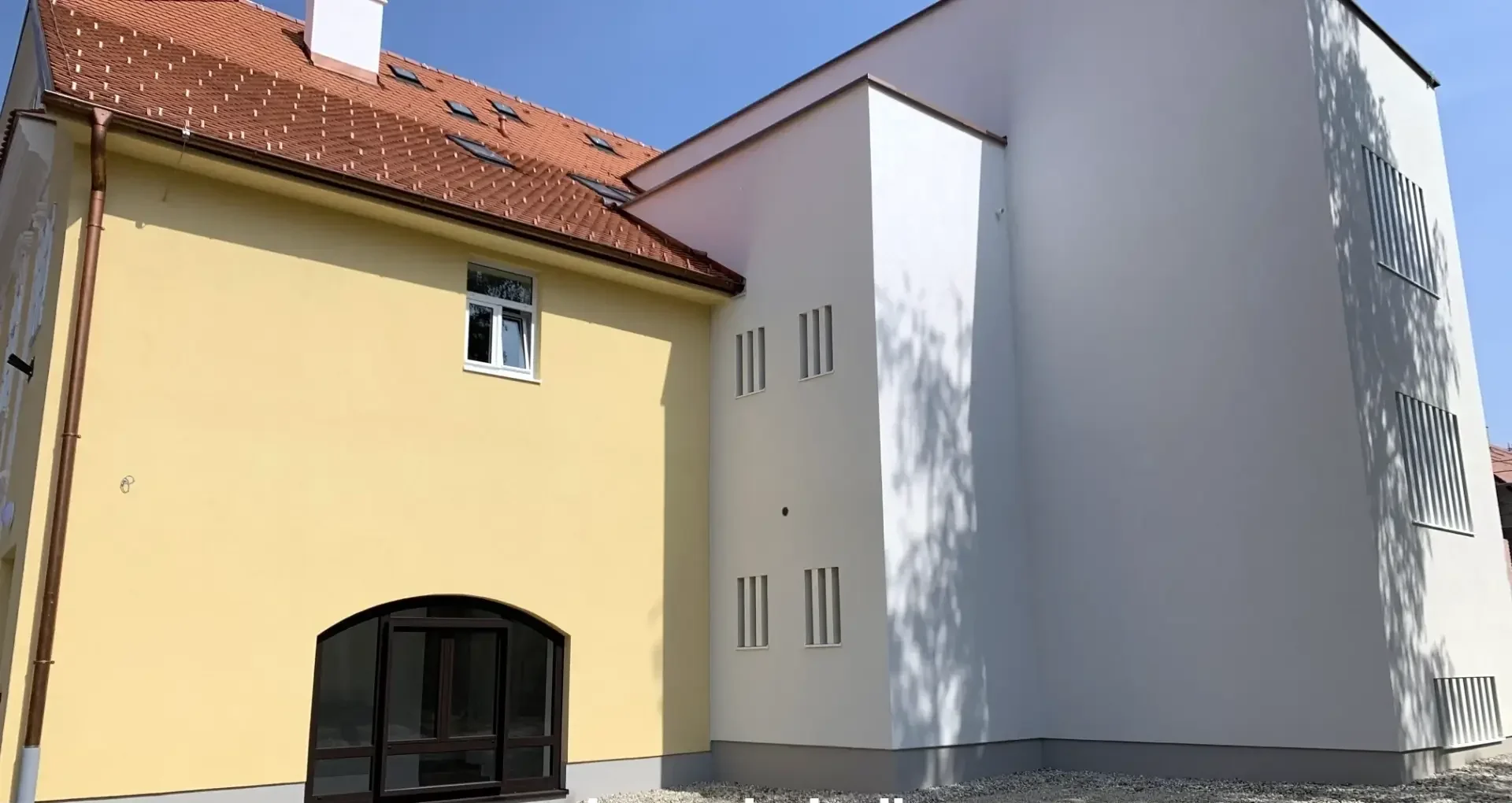
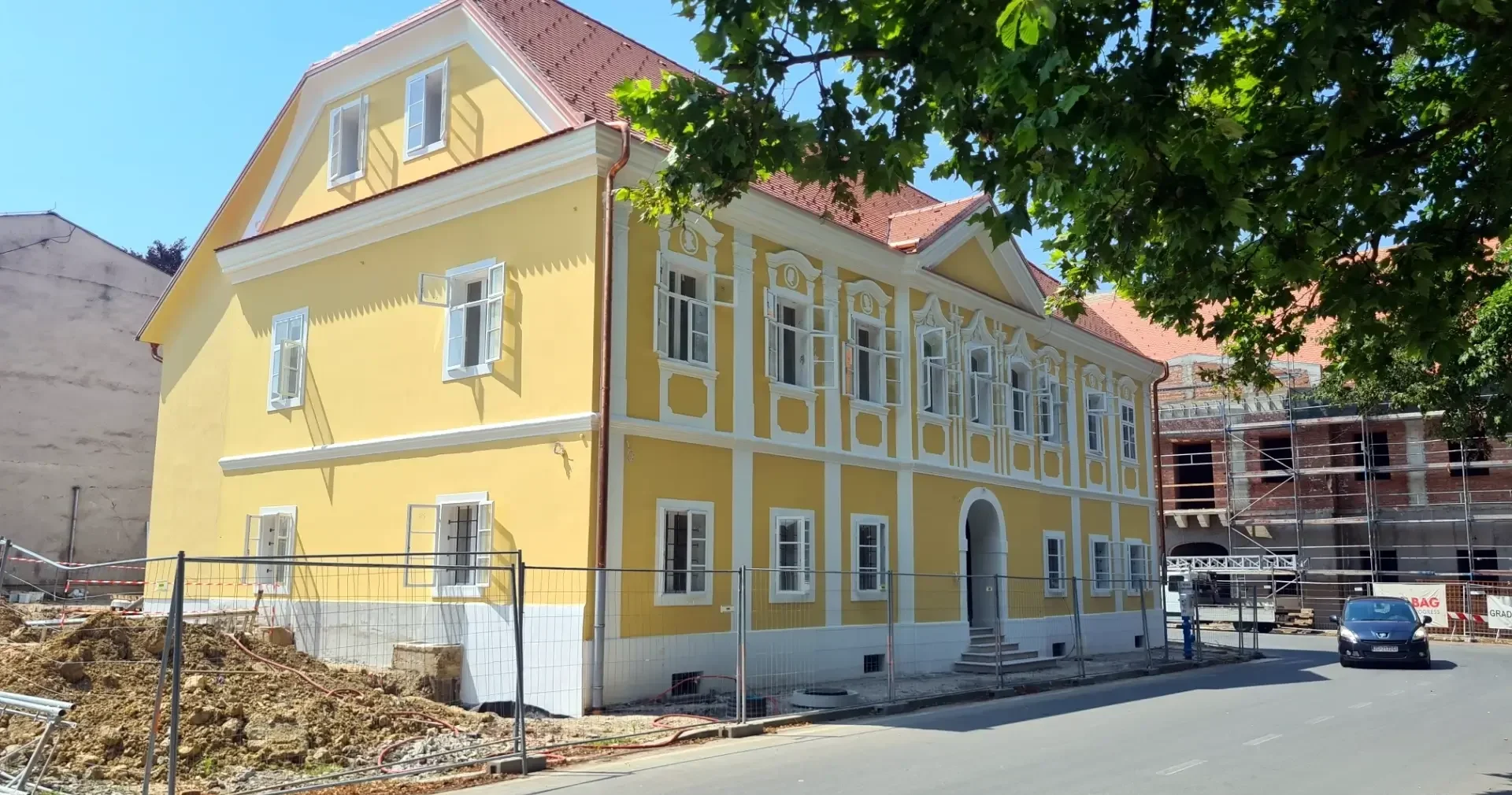
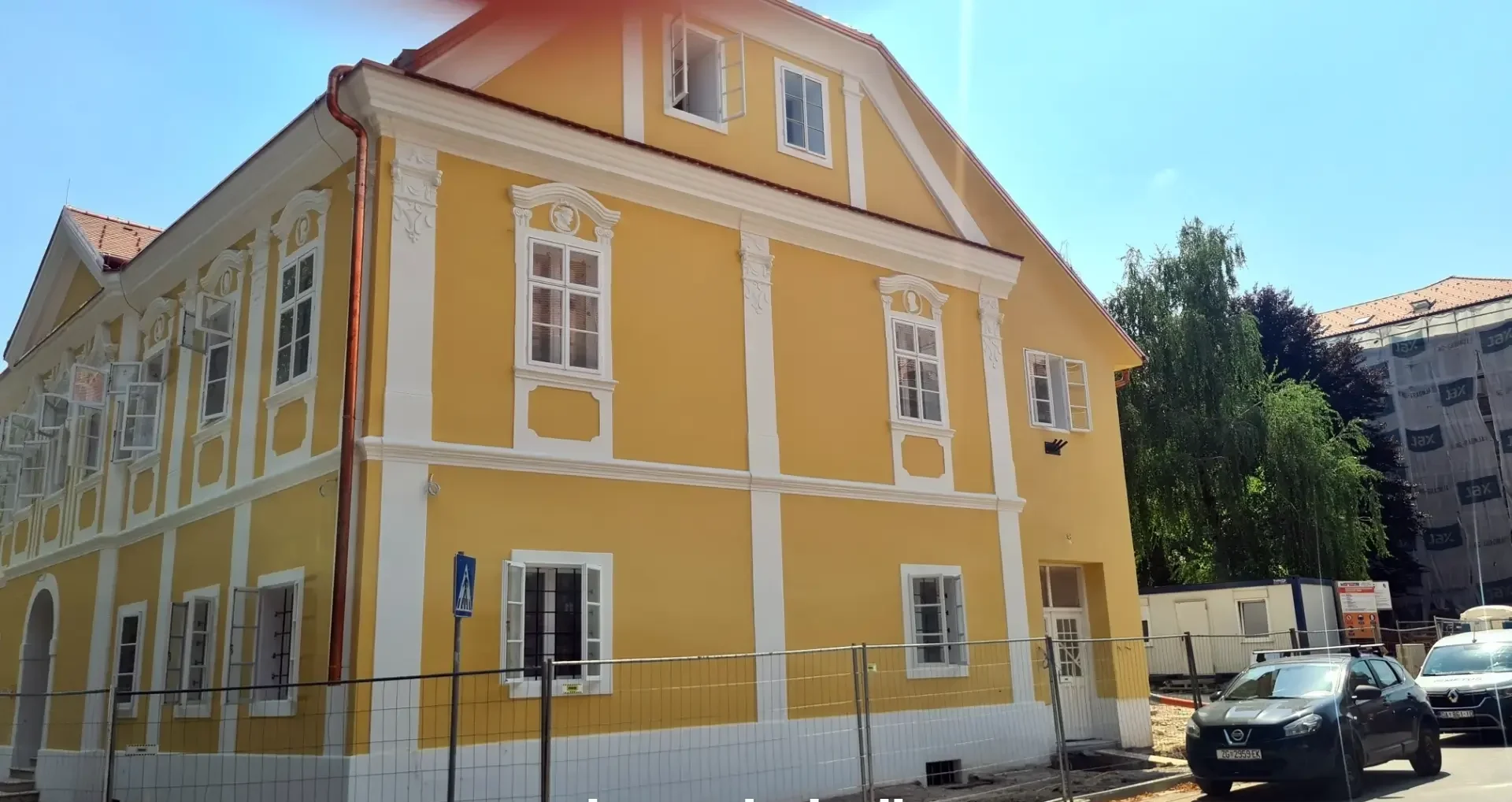
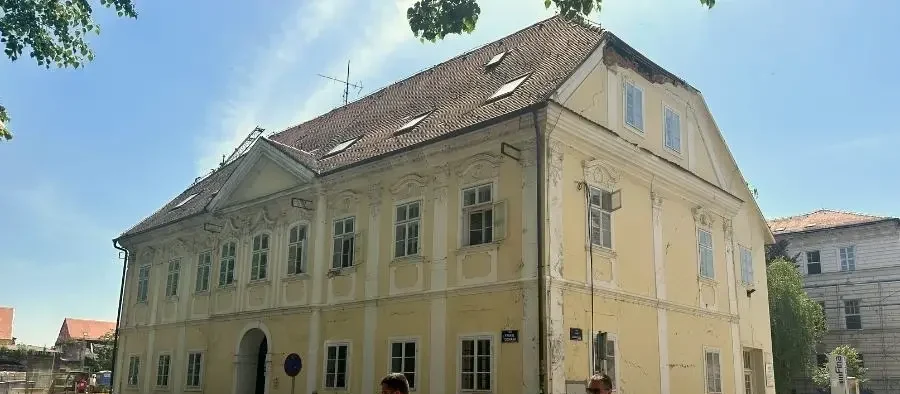
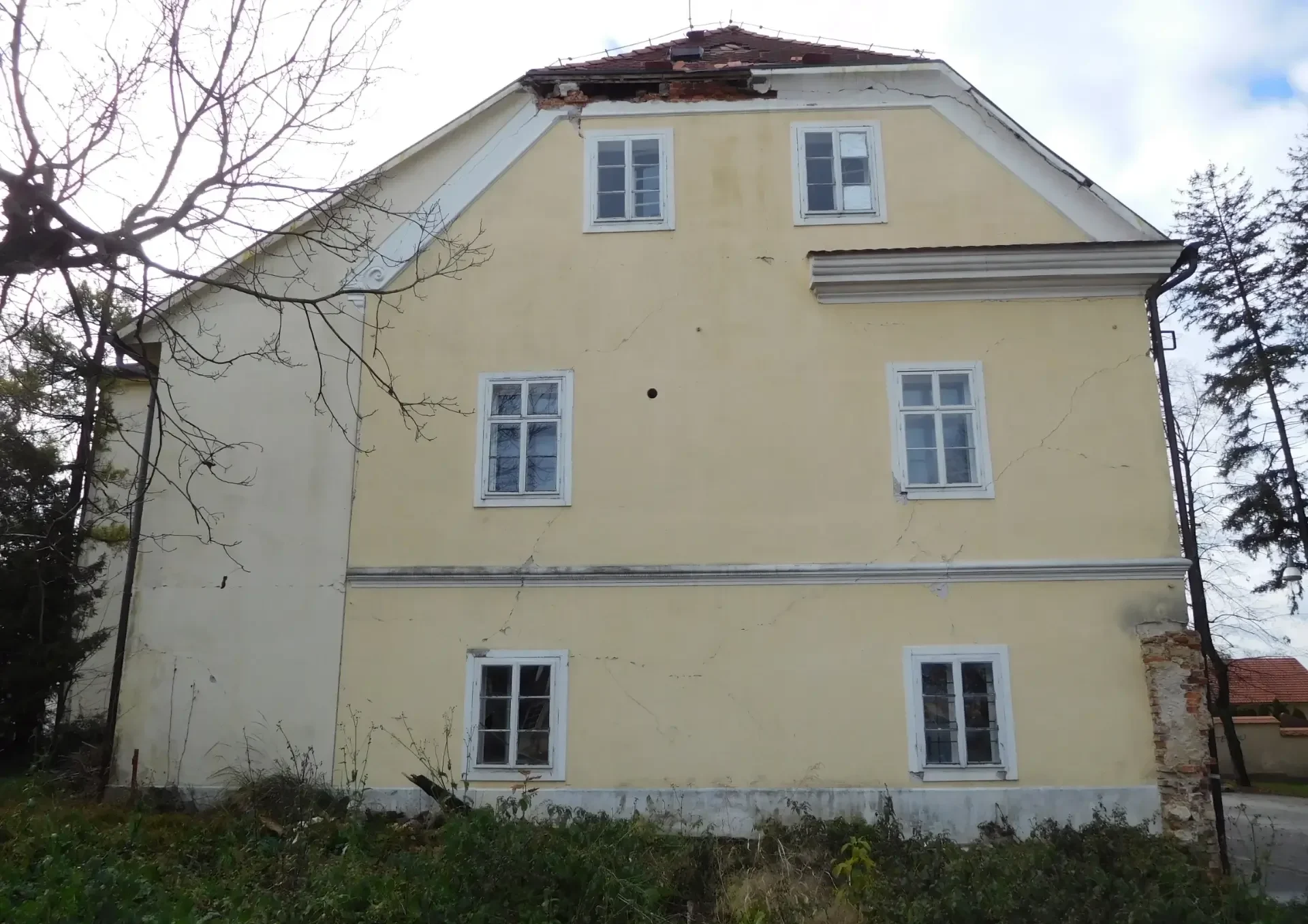
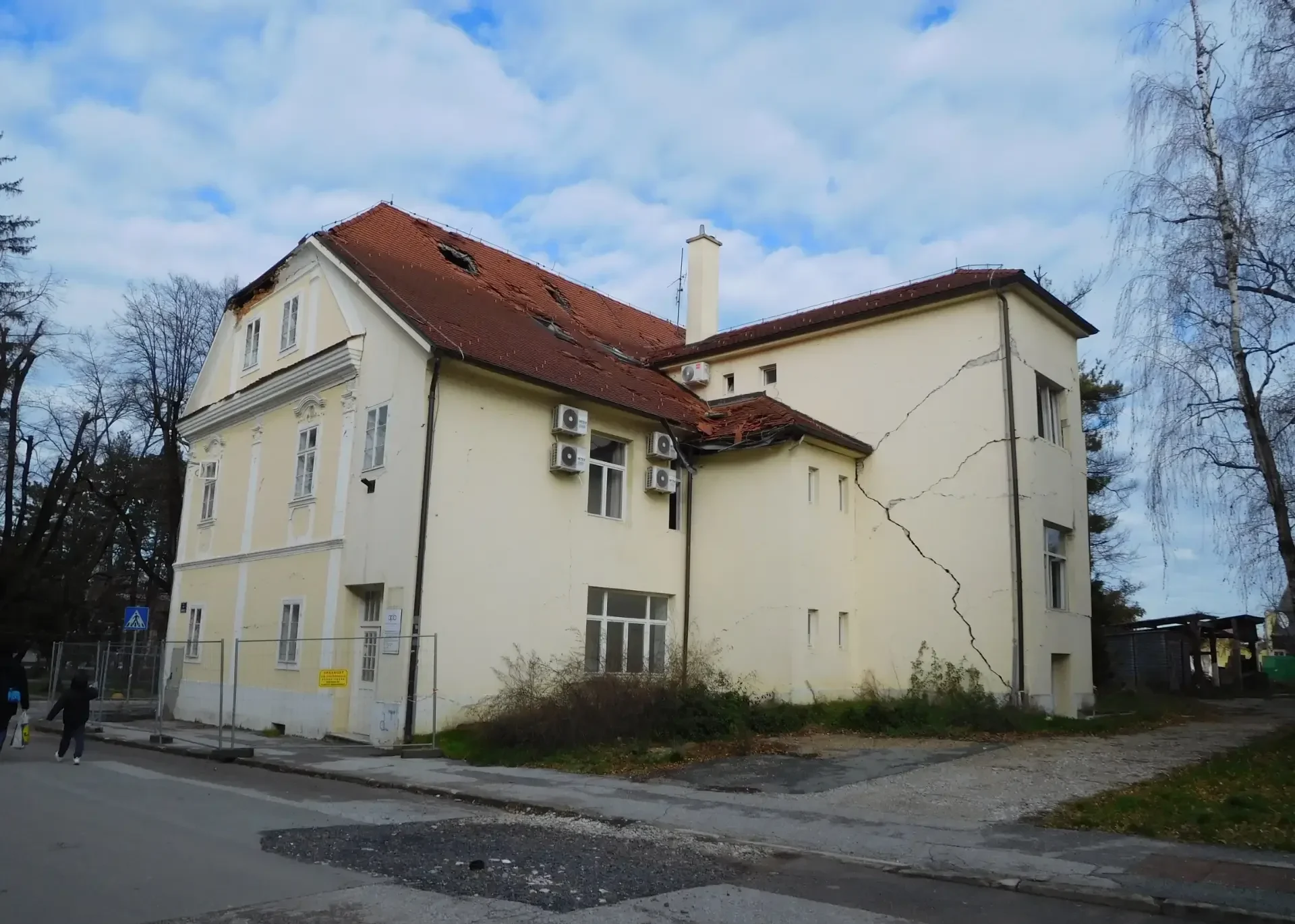
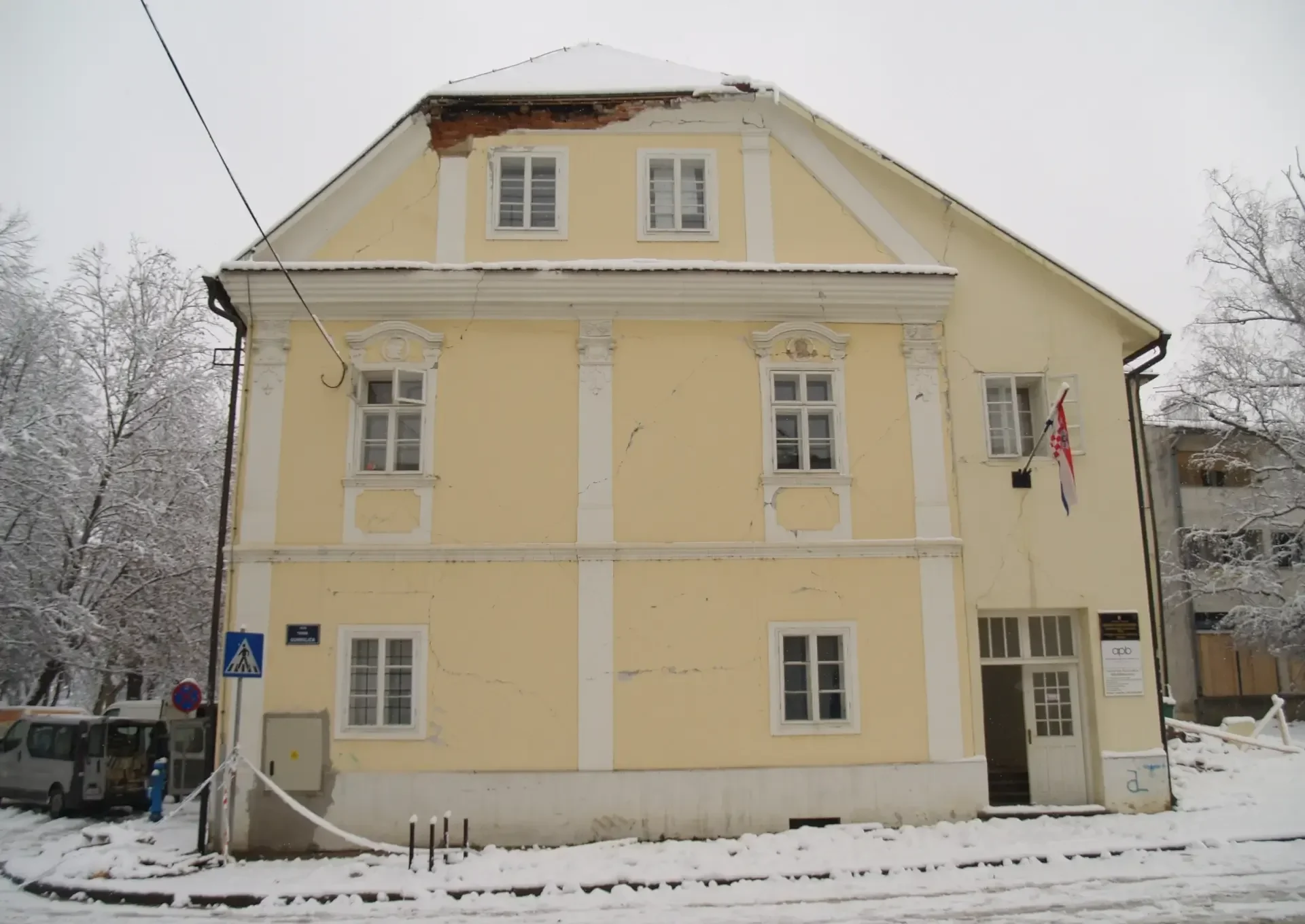
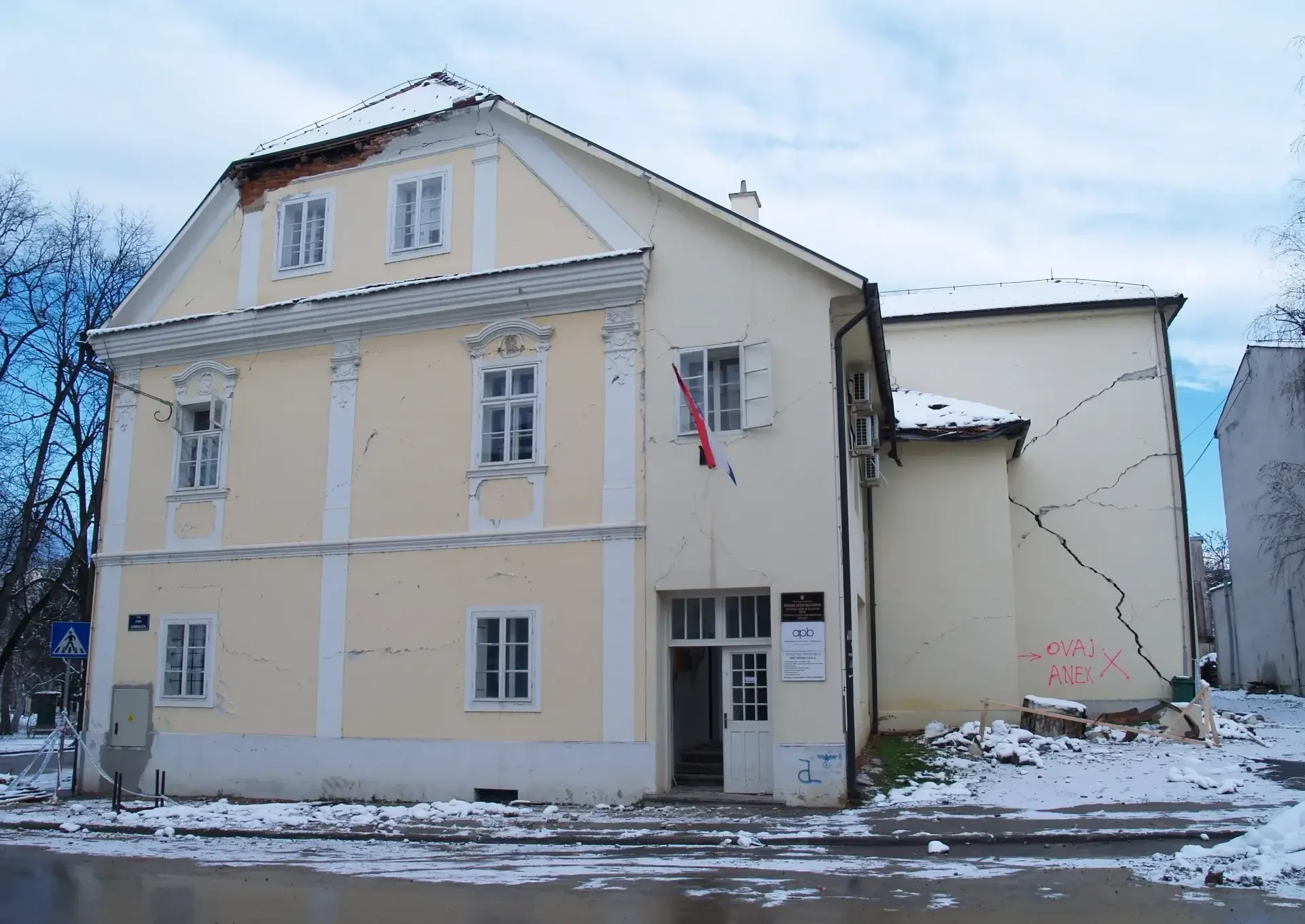
Facade thermal insulation of a cultural heritage monument: example of the cadastral building renovation in Petrinja
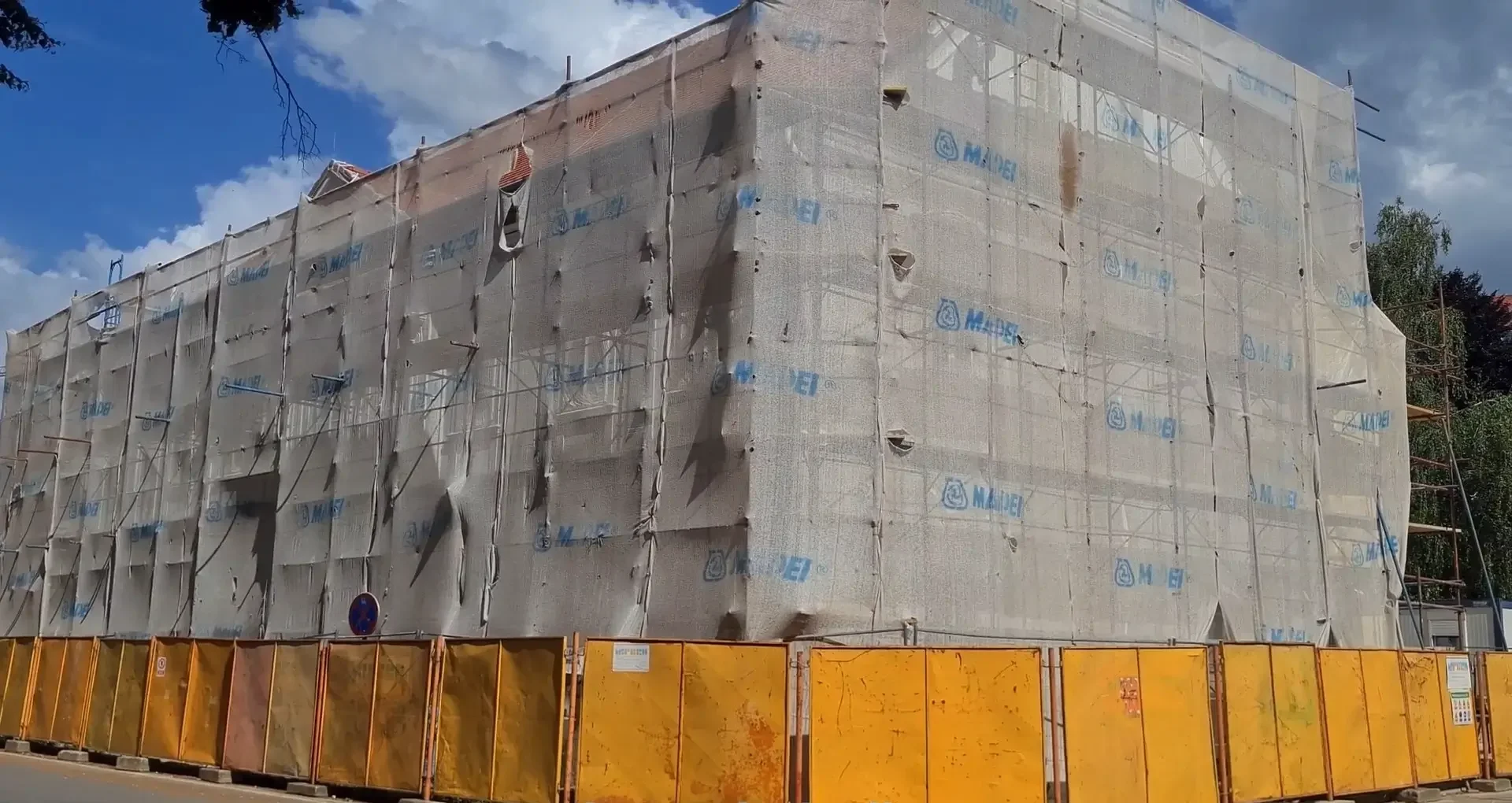
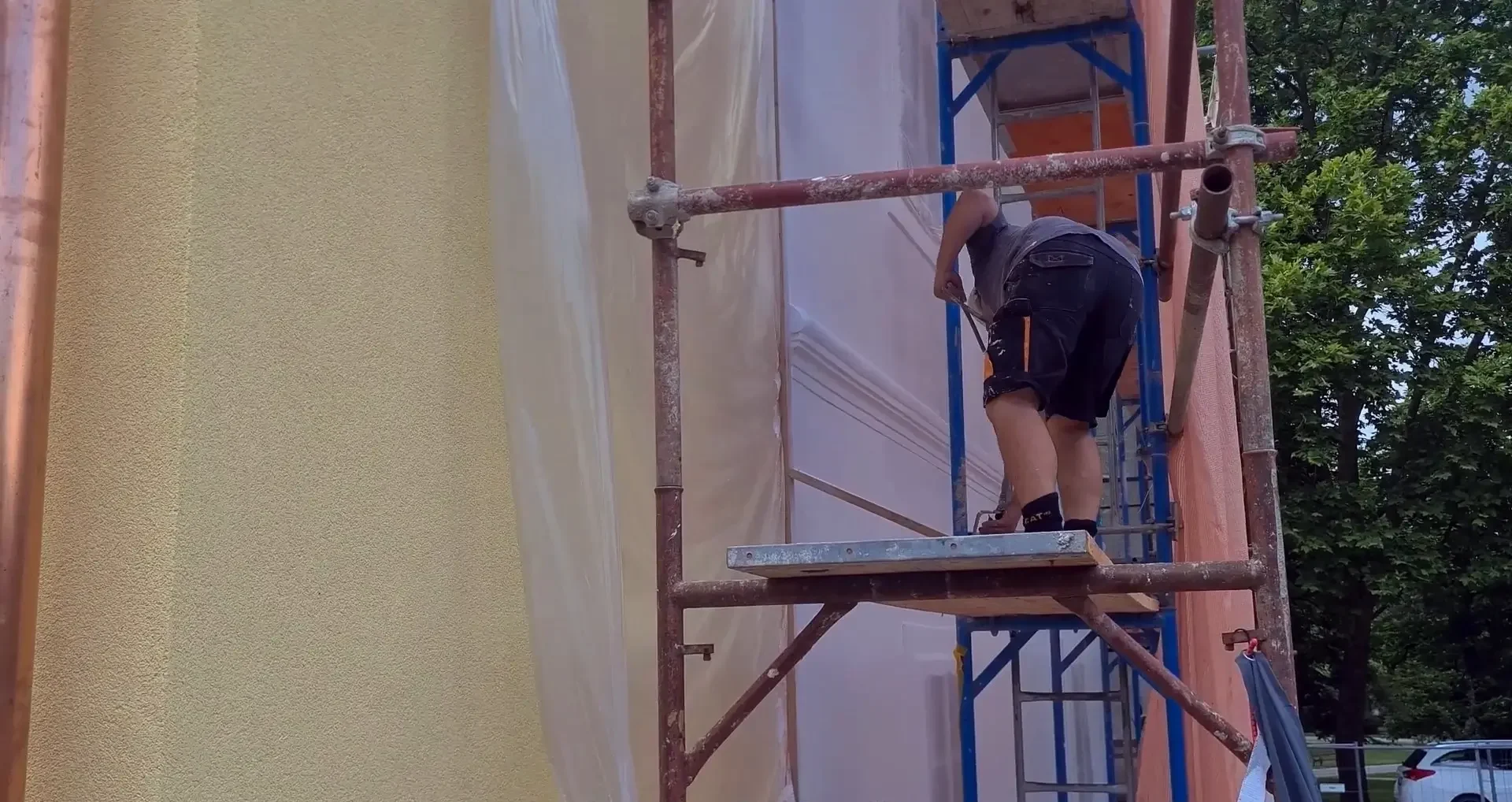
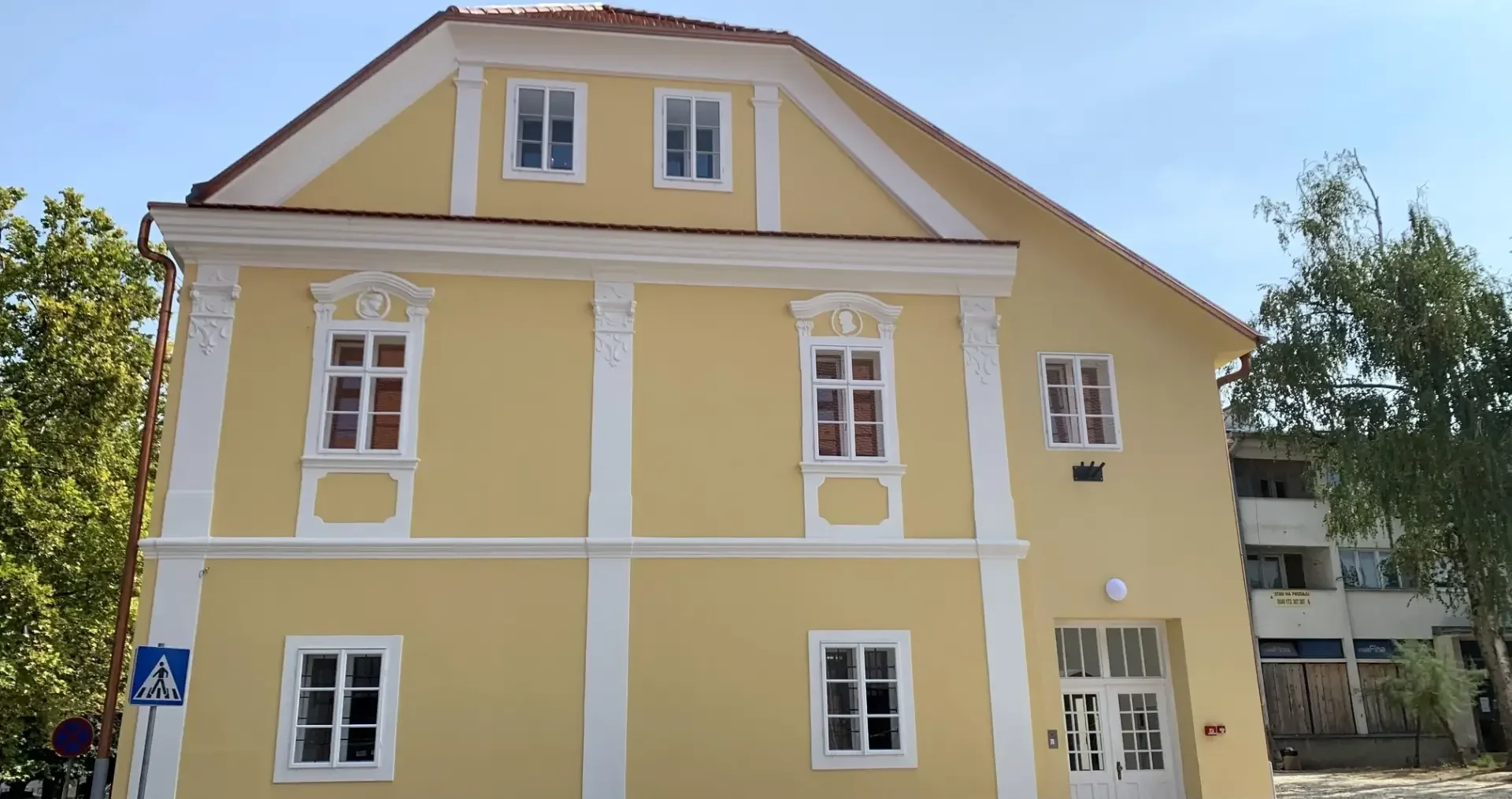
In recent years, increasing attention has been paid to the energy renovation of cultural heritage buildings, where the biggest challenge is to achieve high thermal facade insulation for the preservation of the original appearance of the object. An excellent example of such a project is the recent renovation of the cadastre building in Petrinja, completed in the summer of 2024.
Innovative facade thermal insulation with Bronya Facade NF thermal insulation coating
On historical parts of the facade, standard insulation systems could not be used due to the preservation of decorative stucco and original architectural details. Instead, it was applied Polymer micro-ceramic thermal insulation Bronya Facade NG, ideal for the restoration of cultural monuments.
Key features of the Bronya Facade NF thermal insulation layer:
- Minimum insulation thickness: do 1.5 mm
- Number of layers: 3
- Area of application: 350 sq m
- Flammability class: A2
- Finishing: Facade colors in accordance with conservation requirements
Advantages of facade thermal insulation with micro-ceramic technology
- Preserving the authentic appearance of cultural heritage
- Effective thermal insulation of the facade without significant increase in facade thickness
- Secure application in protected areas
- Long-term weather resistance
By combining modern solutions such as Bronya Facade NG Through carefully planned construction work, long-term protection and energy efficiency of the protected buildings have been enabled, while adhering to all conservation guidelines.
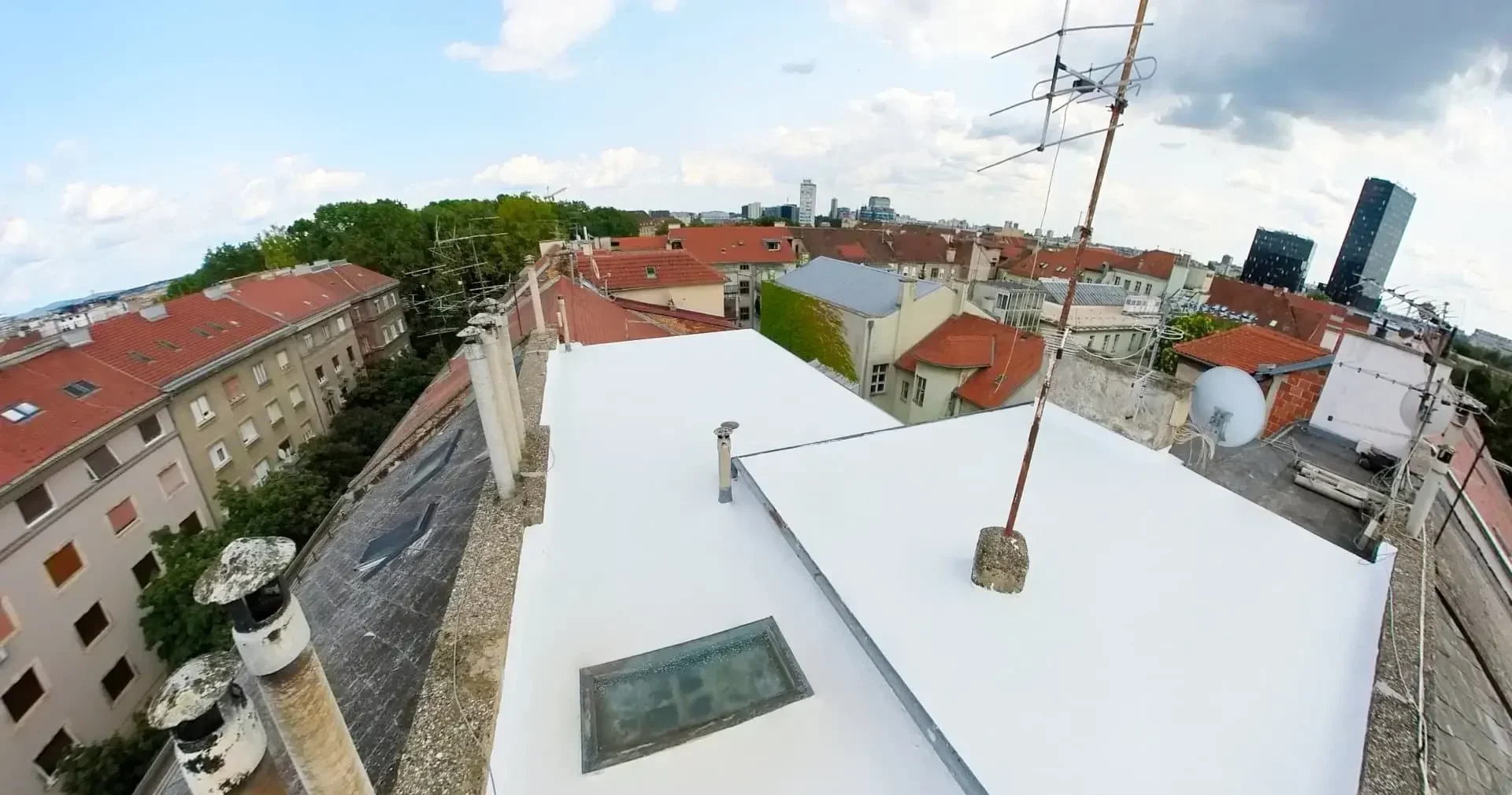
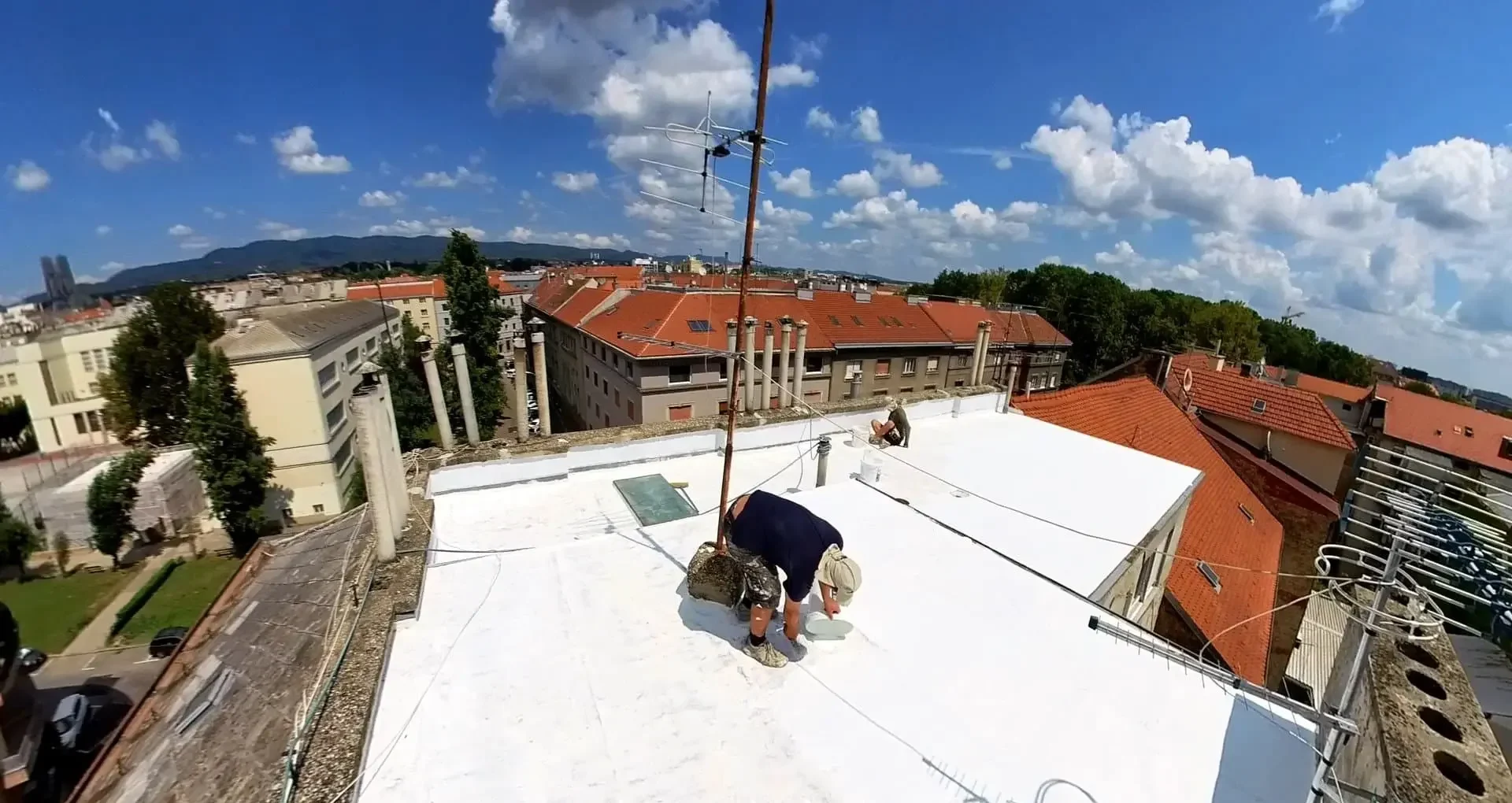
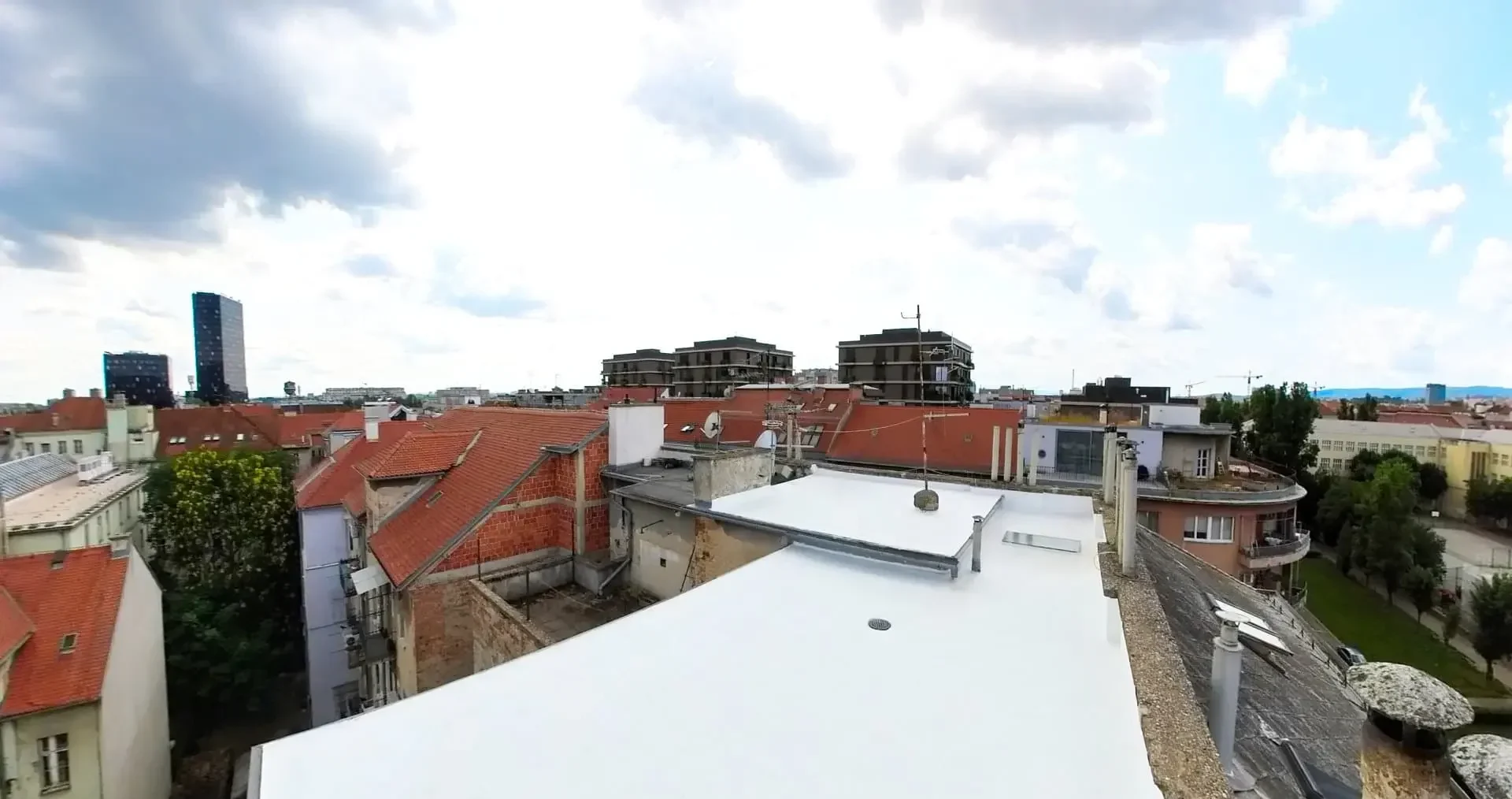
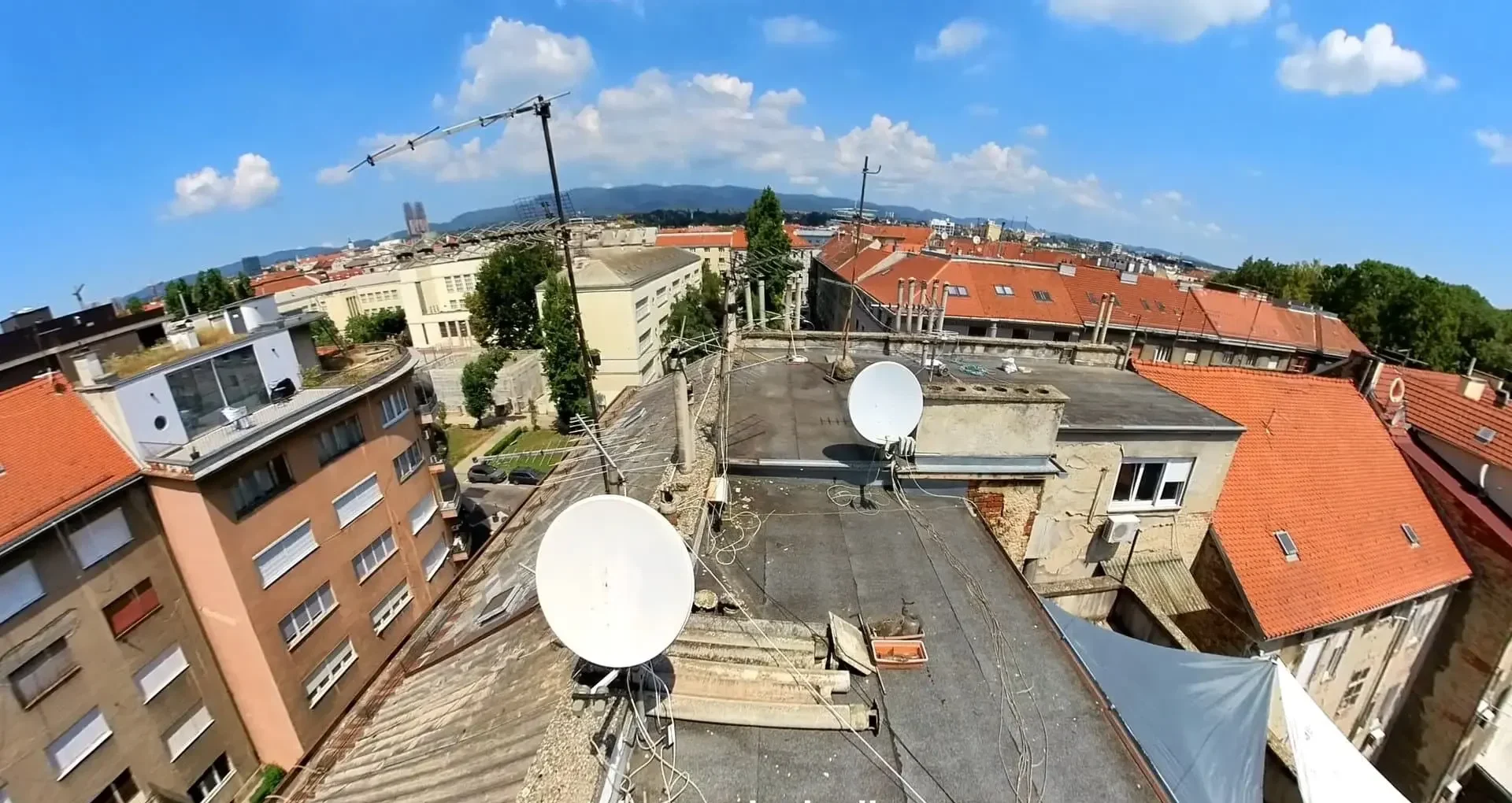
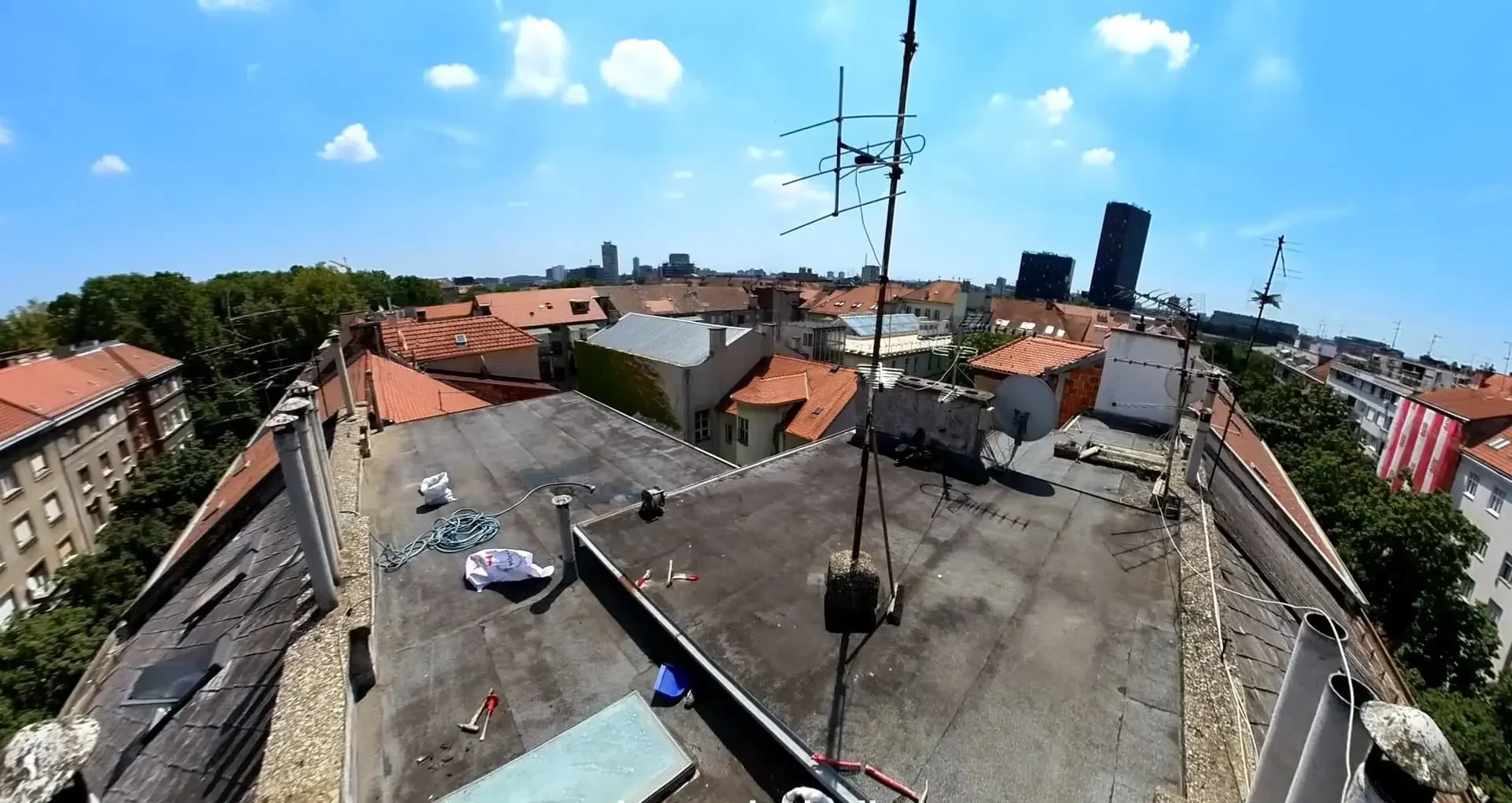
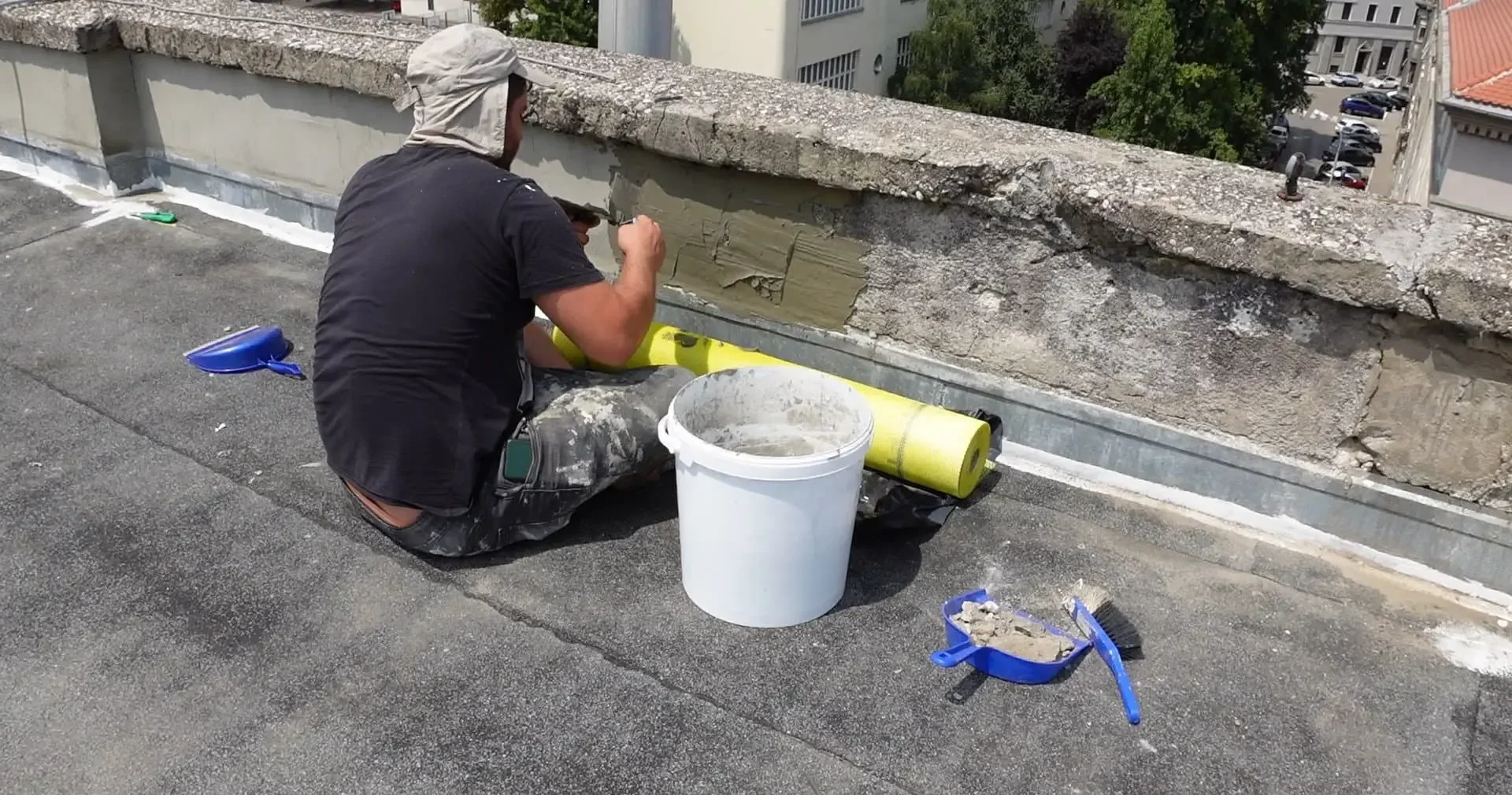
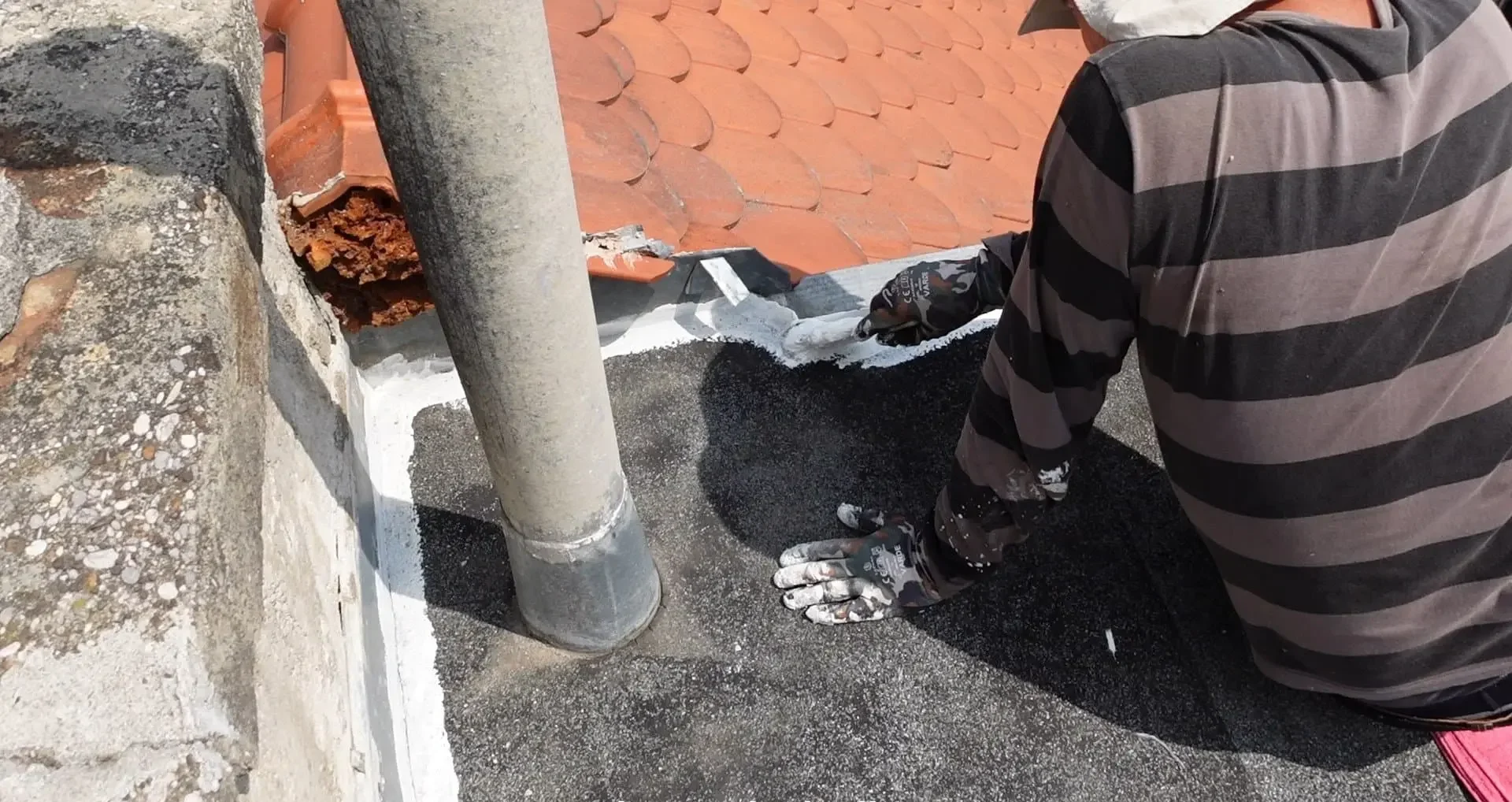
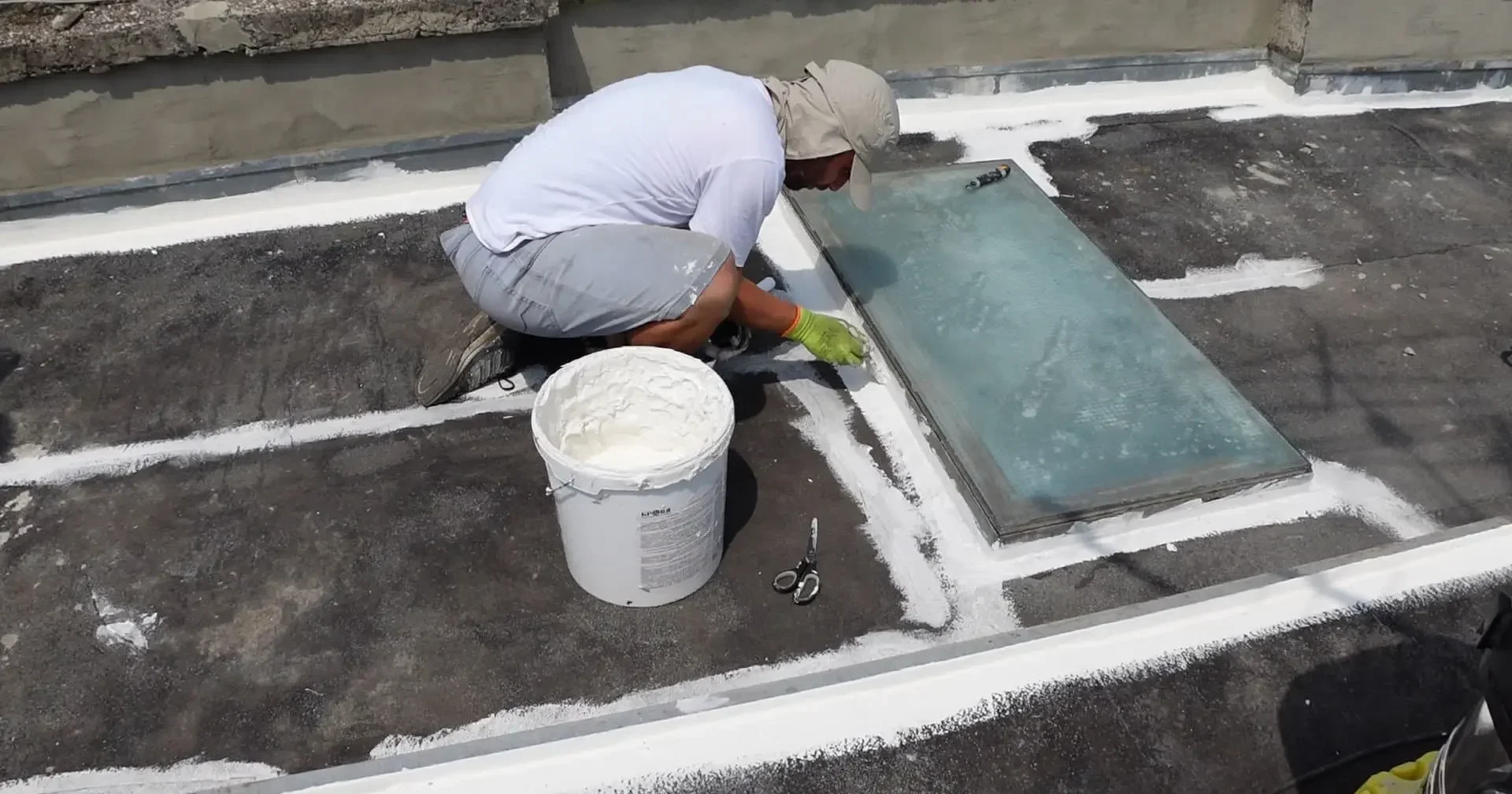
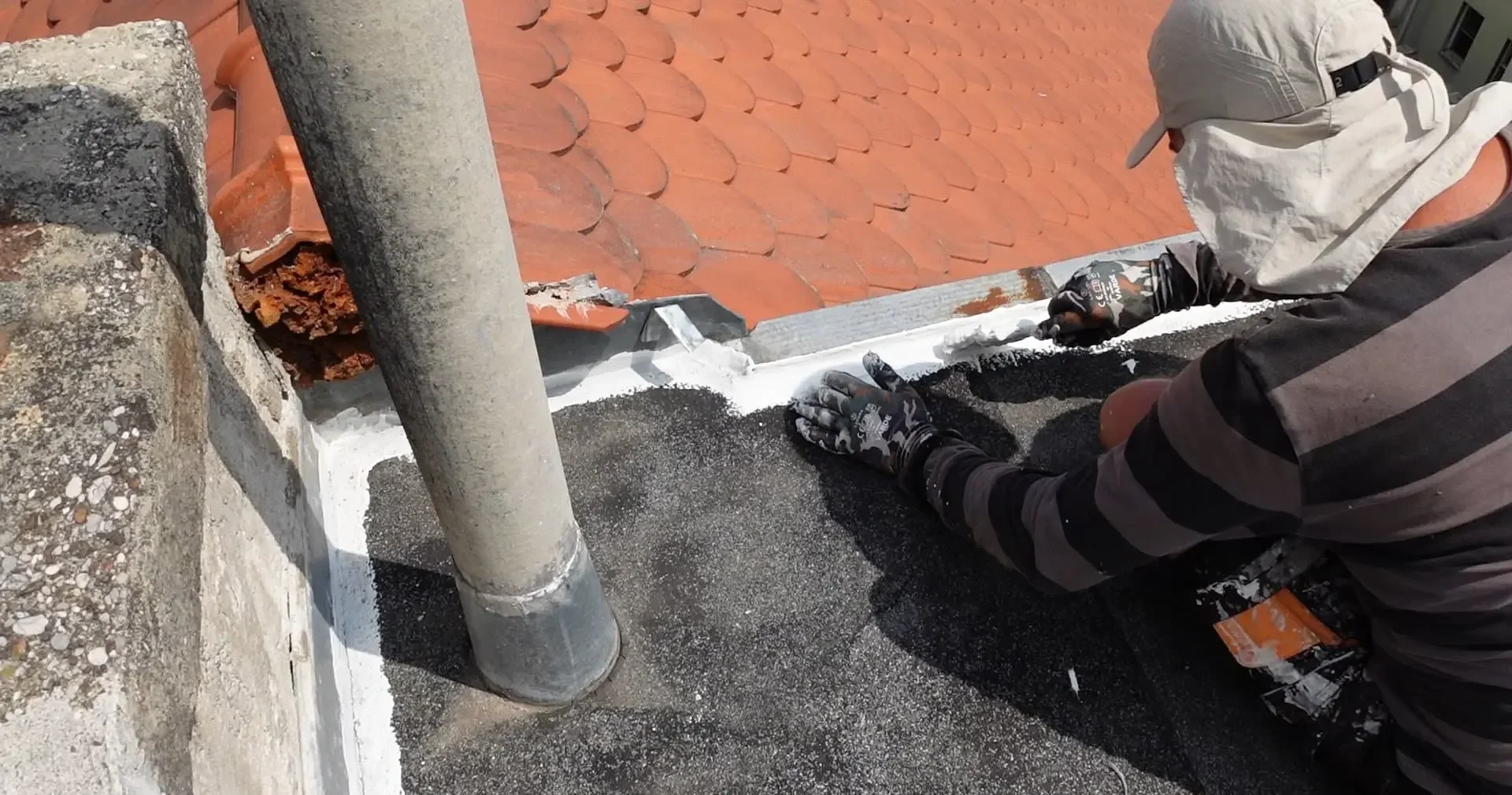
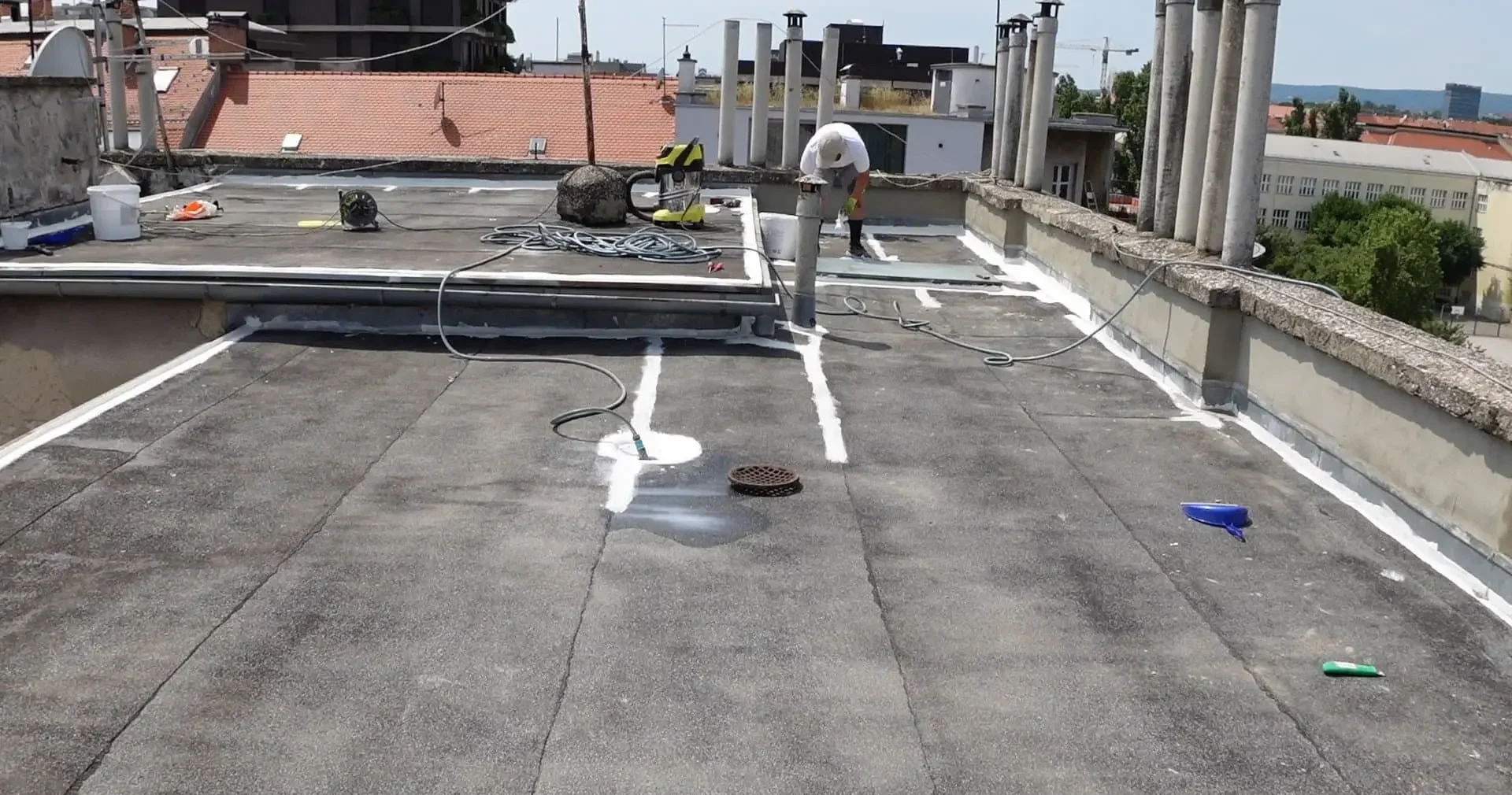
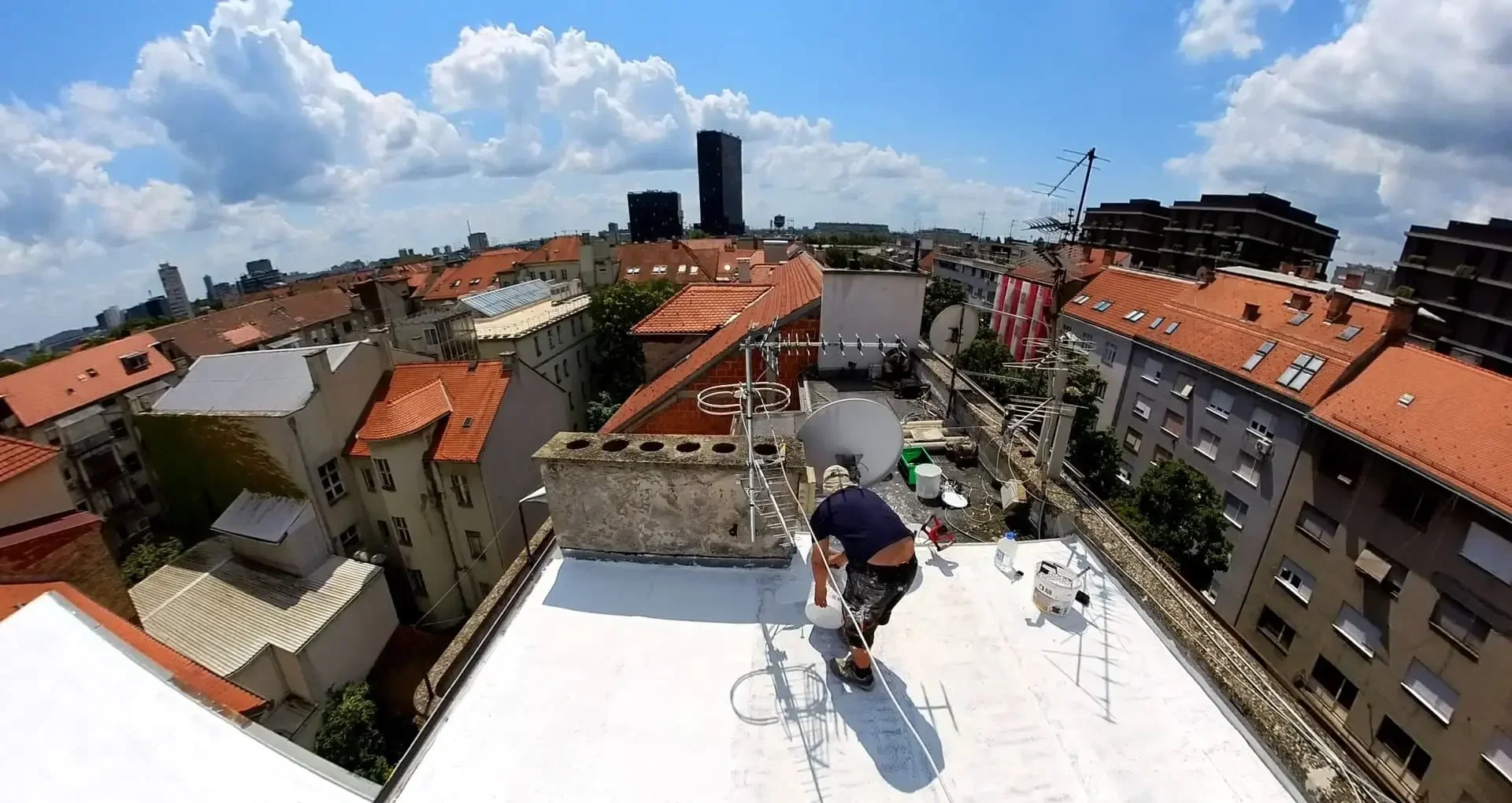
Thermal insulation and waterproofing of the flat roof of a building in Zagreb
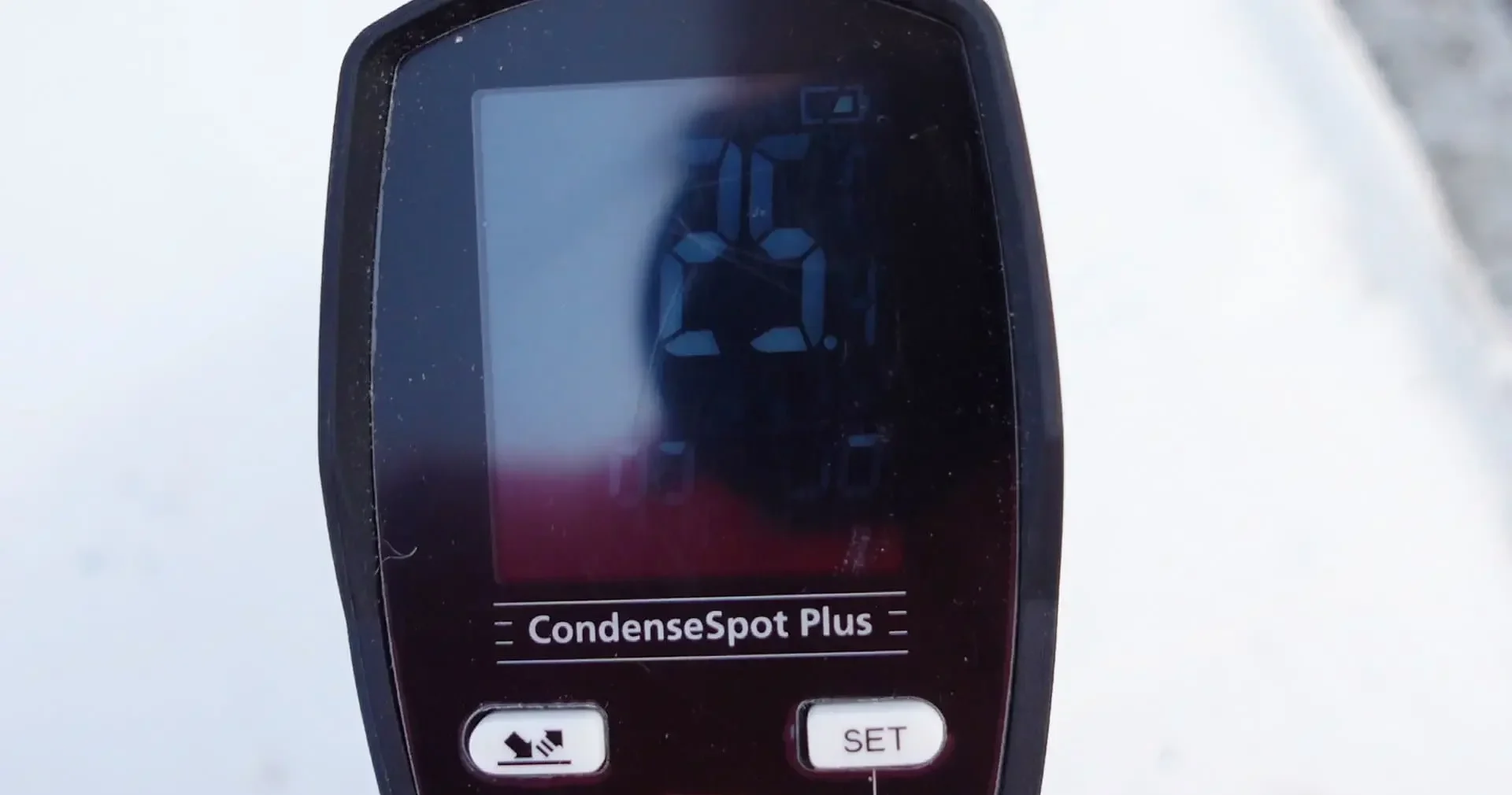
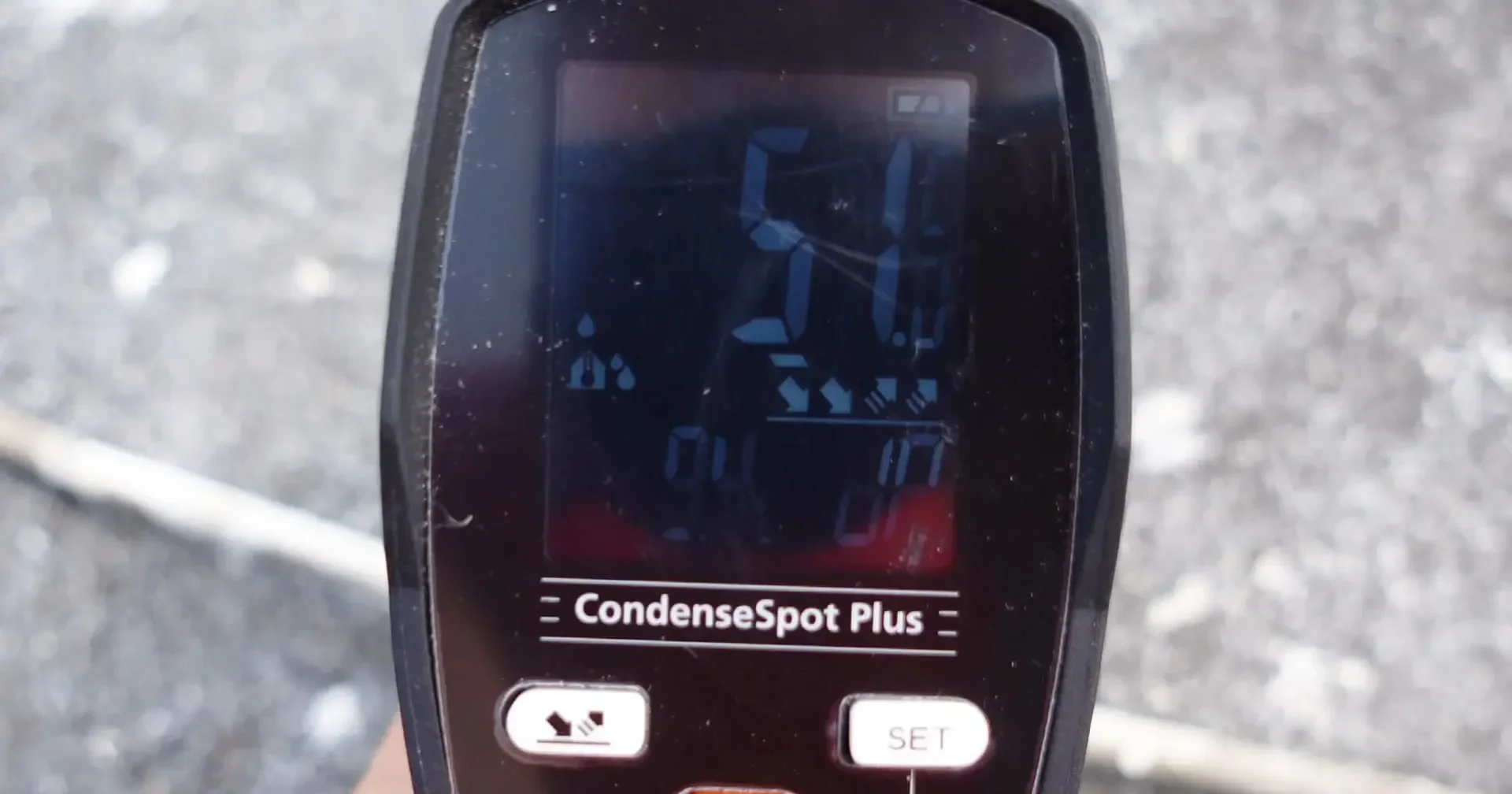
In Zagreb, there are many old buildings that have a thermally uninsulated flat concrete roof with a bitumen felt waterproofing layer. During sunny days, the surface temperature of such a roof can reach up to 60°C, which causes high cooling costs for apartments on the top floor during the summer. In winter, the thermally uninsulated roof creates high heating costs for the apartments.
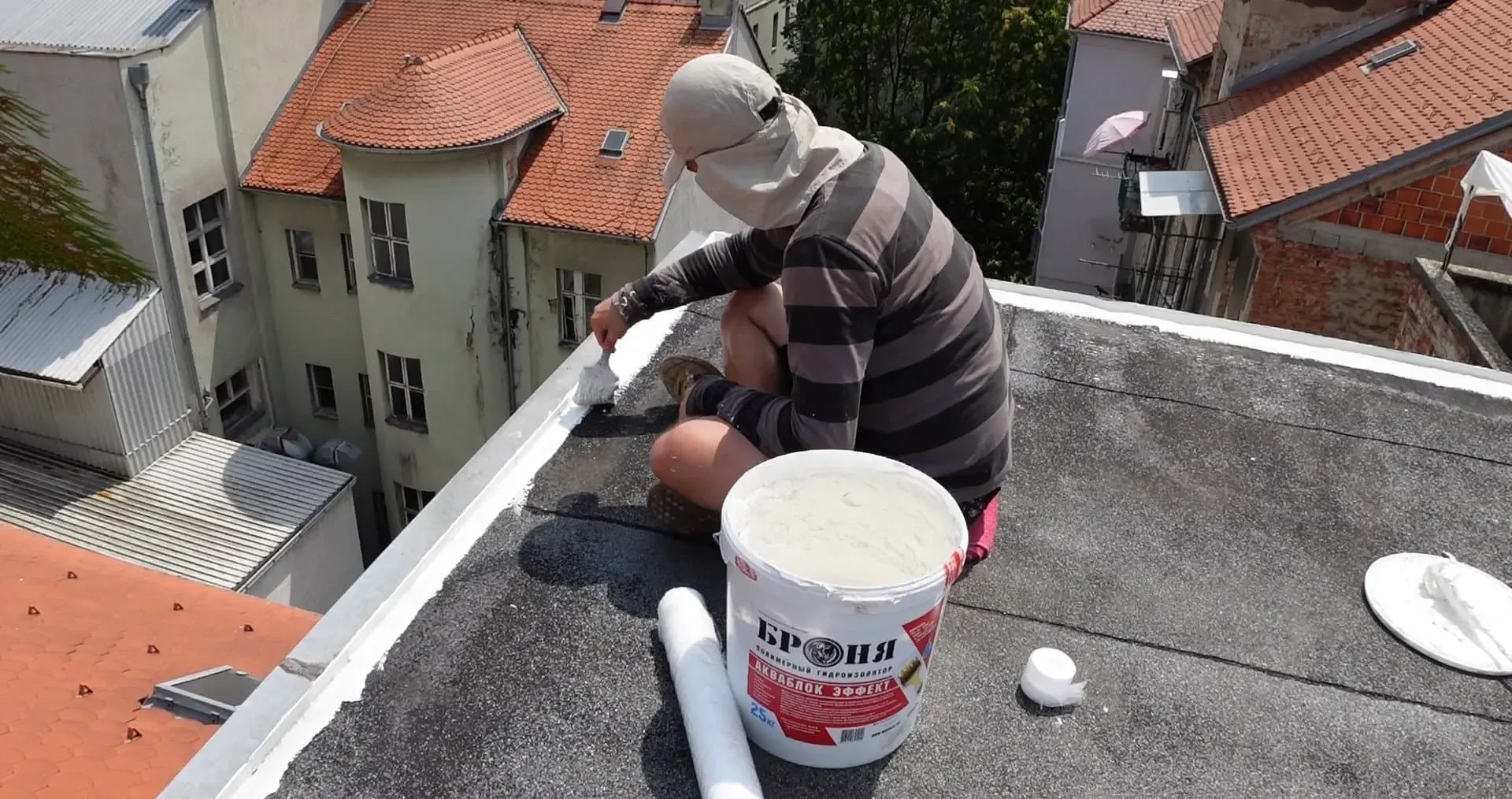
Micro-ceramic thermal insulation “Bronya” effectively reduces cooling costs in the summer and heating costs in the winter due to its properties of reflecting solar rays and thermal insulation. It is quickly applied and more resistant to climatic conditions than other types of thermal insulation.
Before applying the thermal insulation layer, critical areas on the roof were additionally waterproofed with liquid polymer waterproofing. Bronya Aquablock Effect.
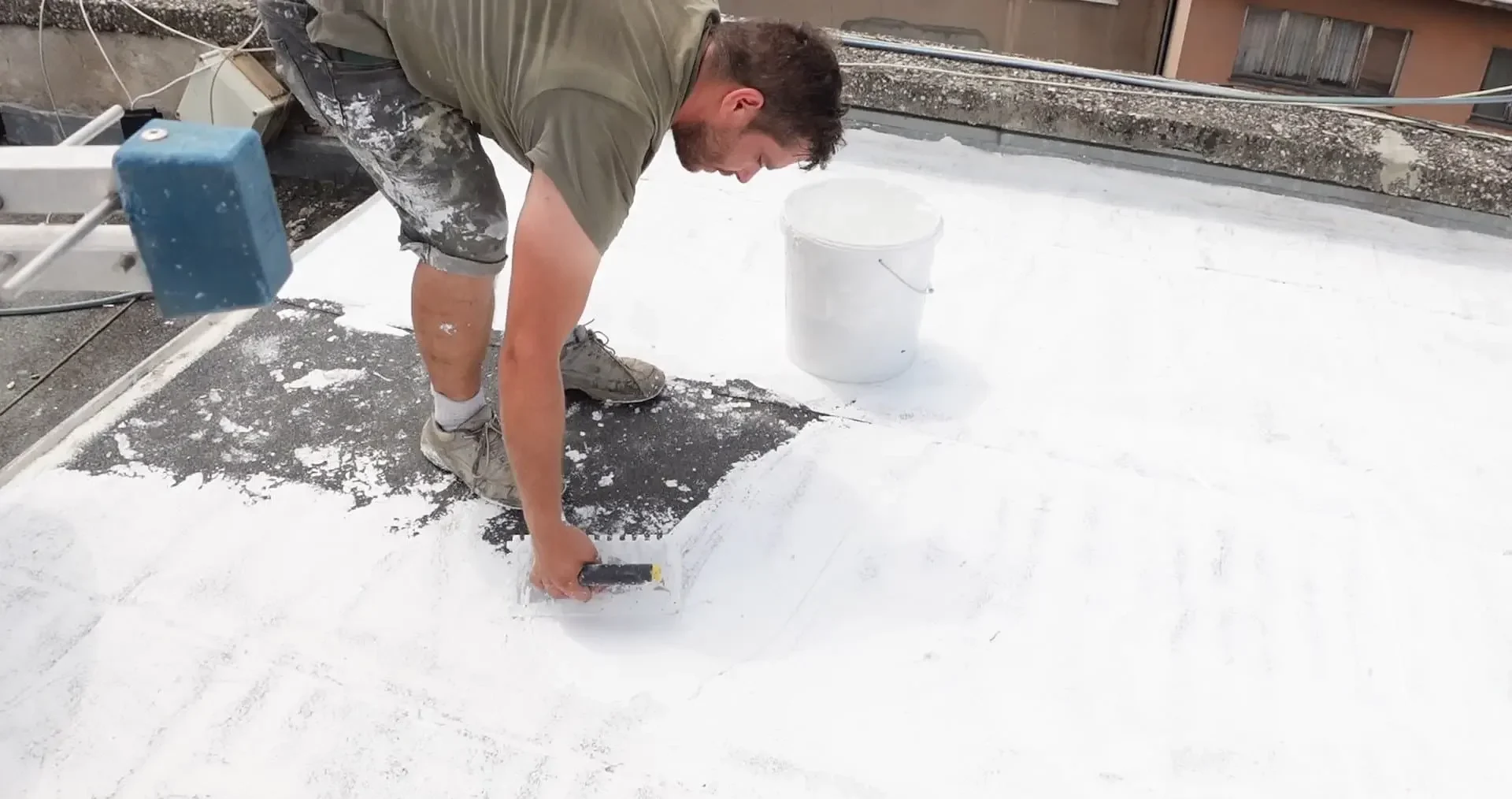
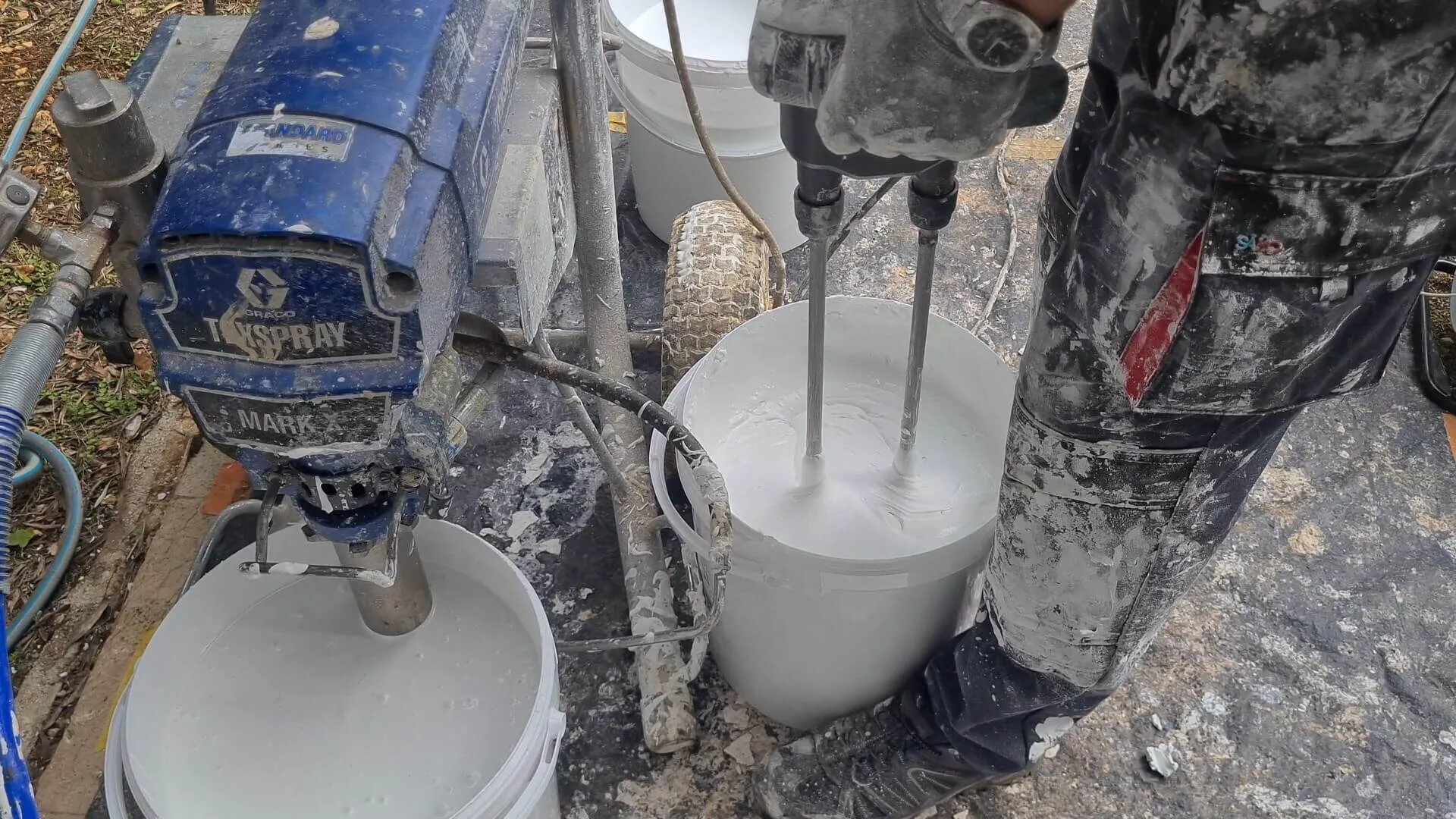
Polymer ceramic thermal insulation Bronya Classic or Bronya Facade It can be applied to horizontal surfaces with a trowel, brush, and compressor in multiple thin layers, with each layer drying for 24 hours beforehand.
A total thickness of only four layers, amounting to two millimeters, is sufficient to achieve the optimal balance between energy savings and the cost of insulation.
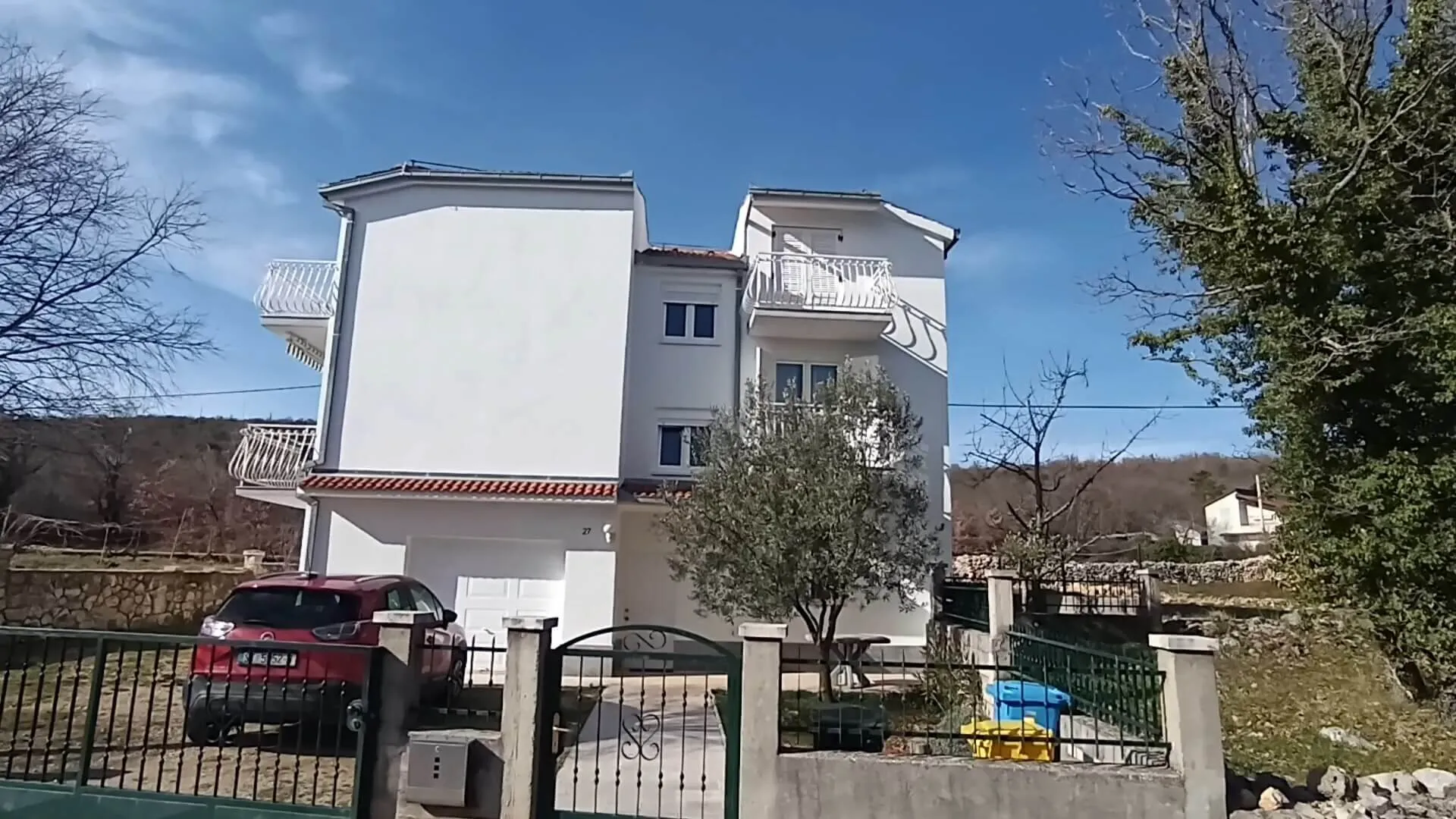
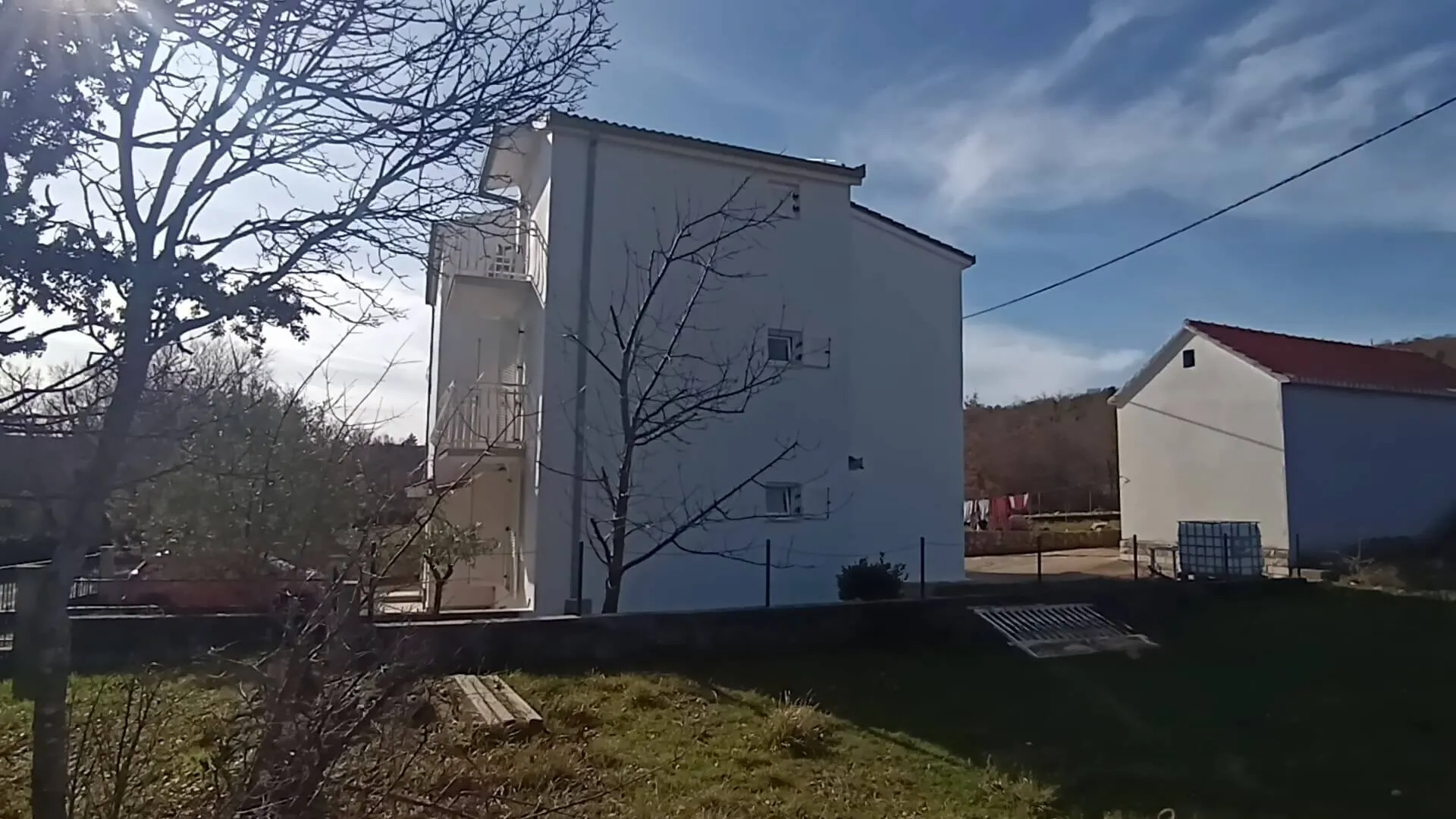
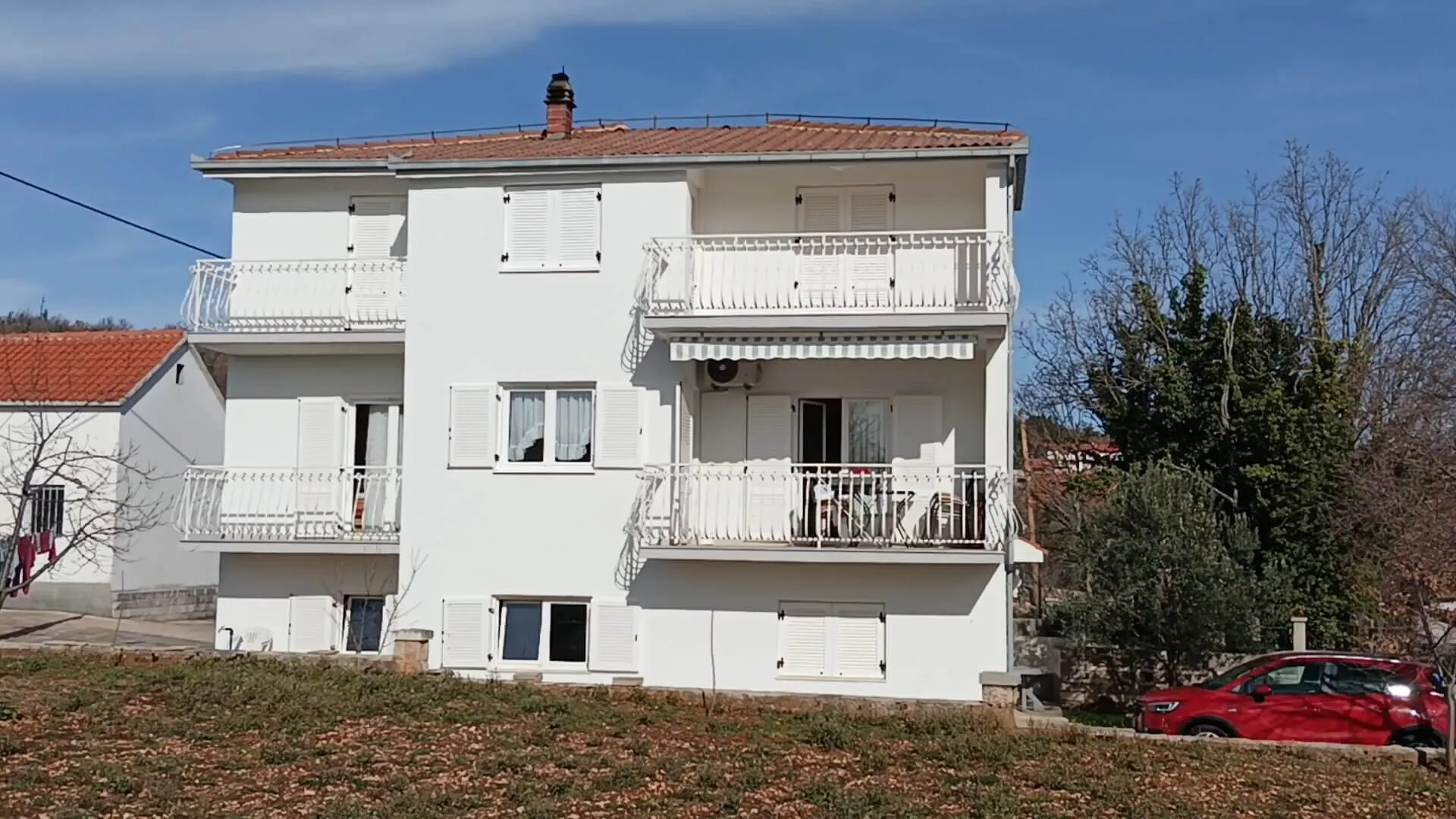
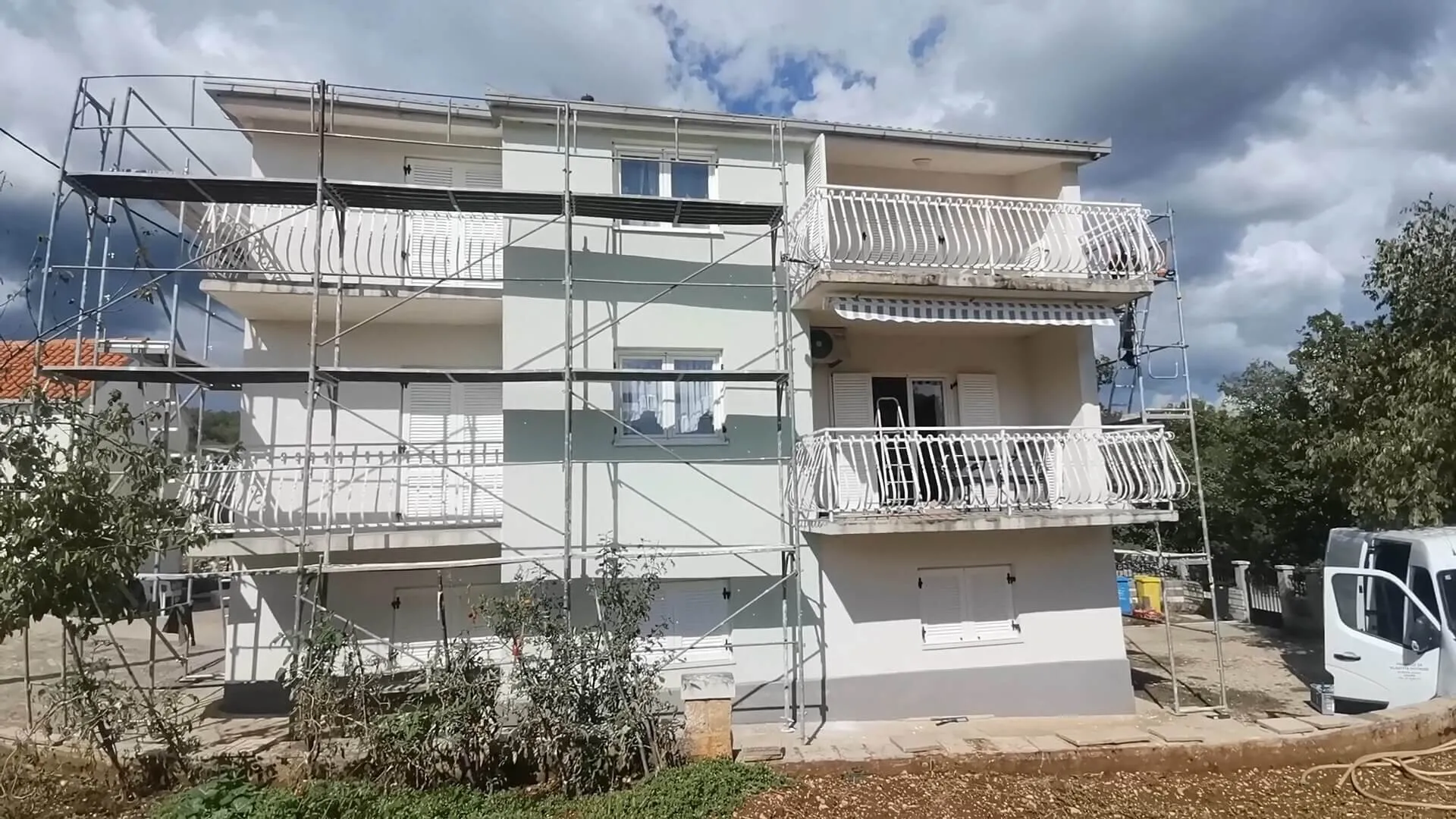
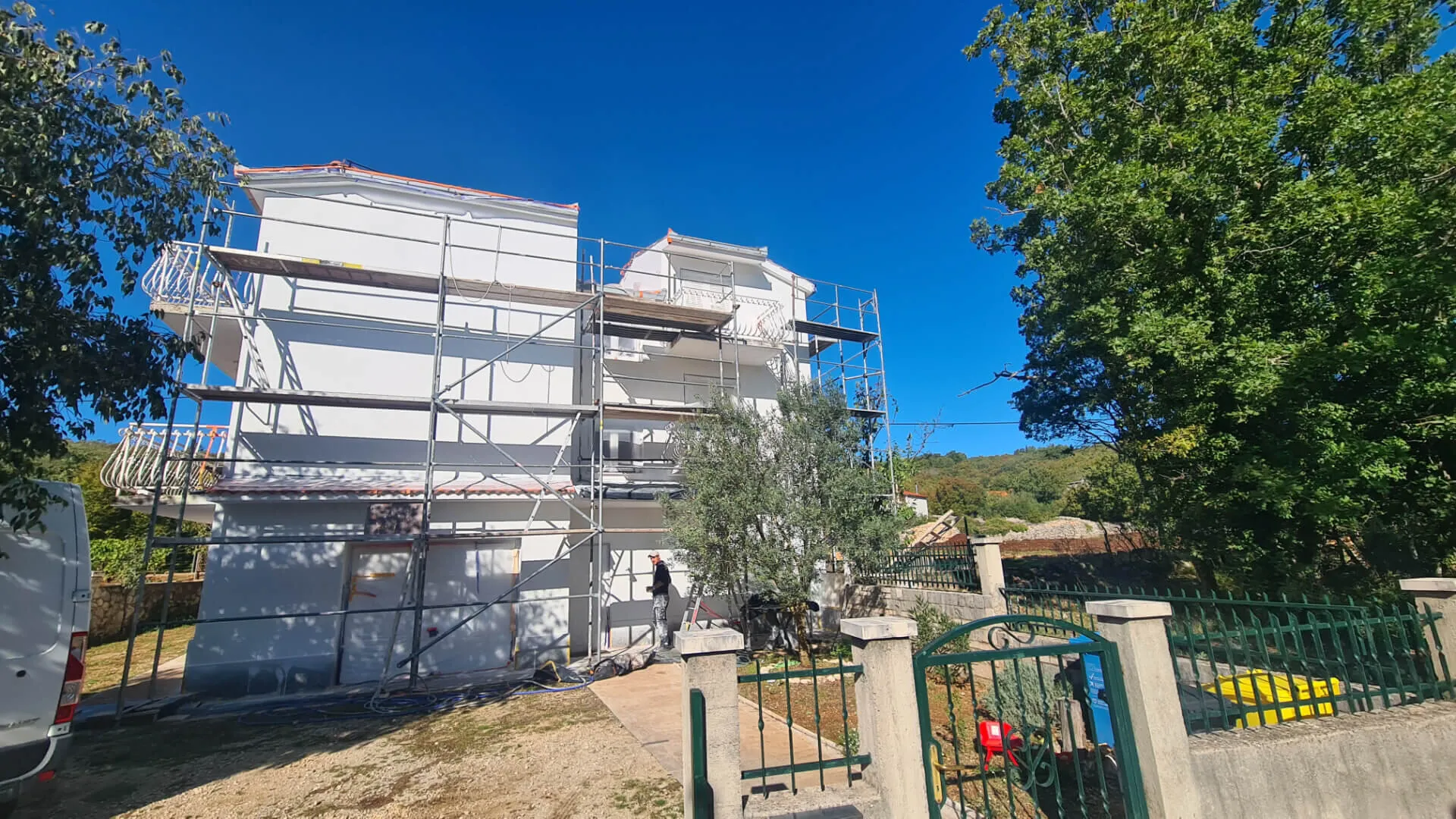
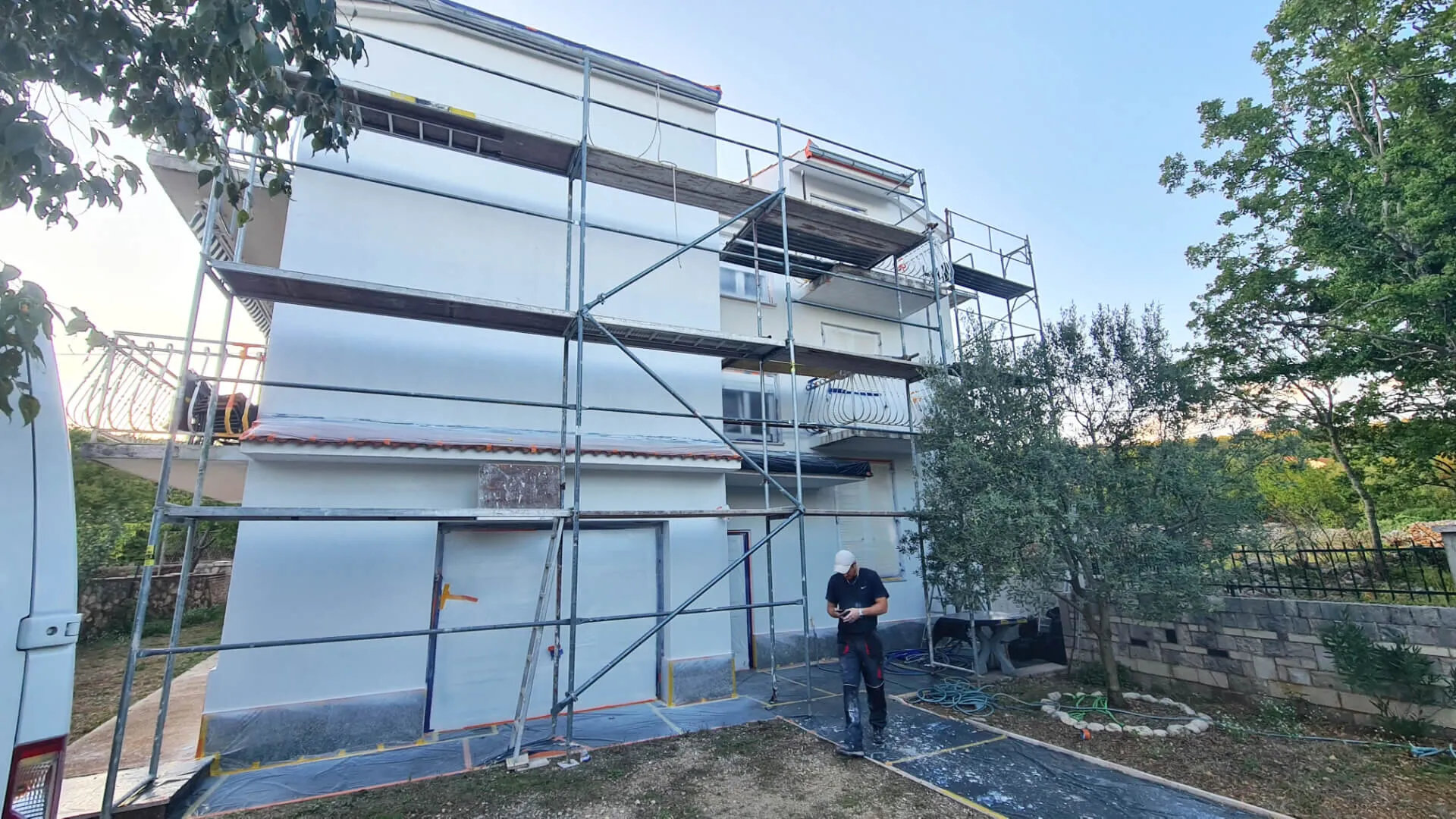
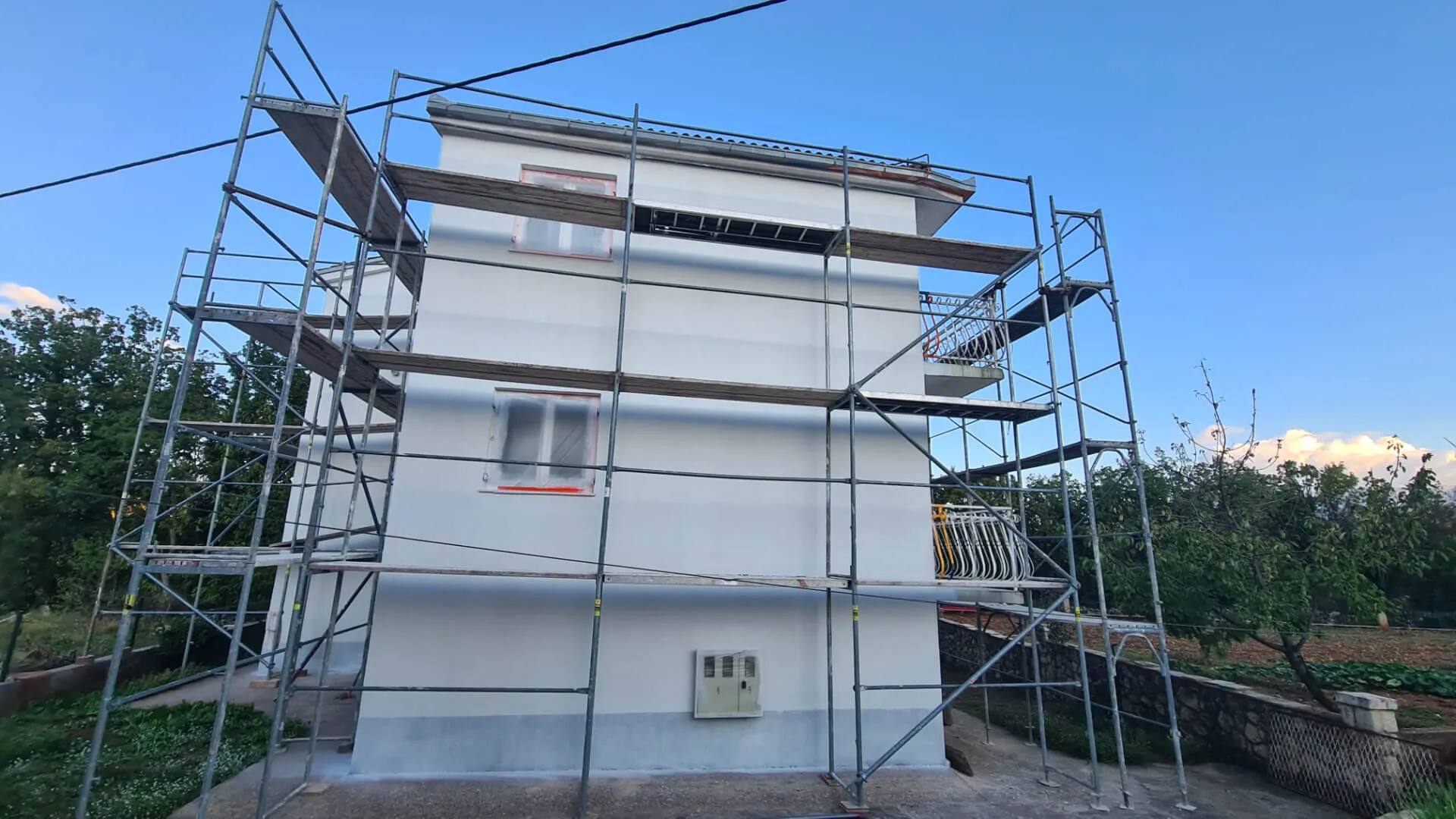
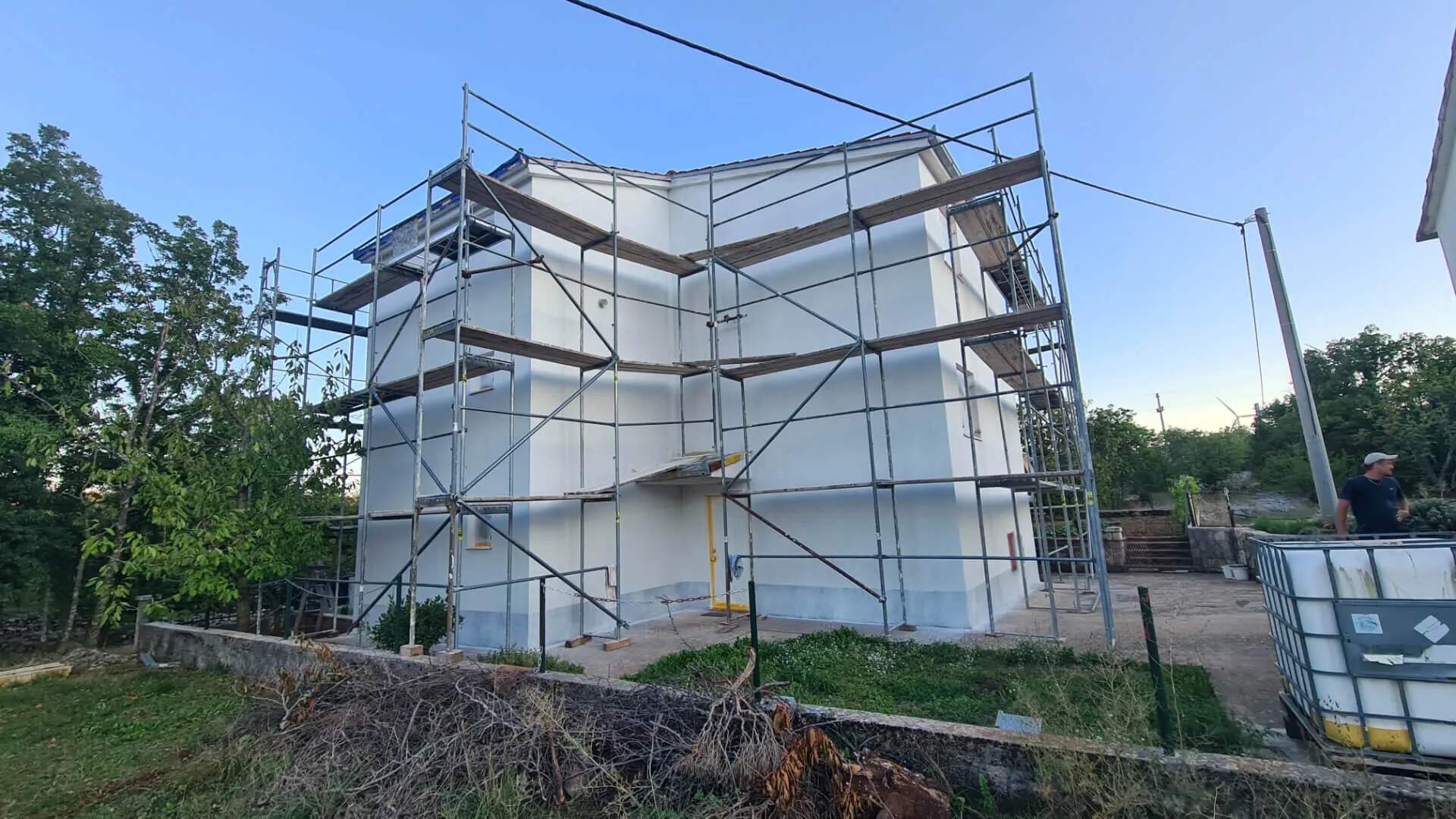
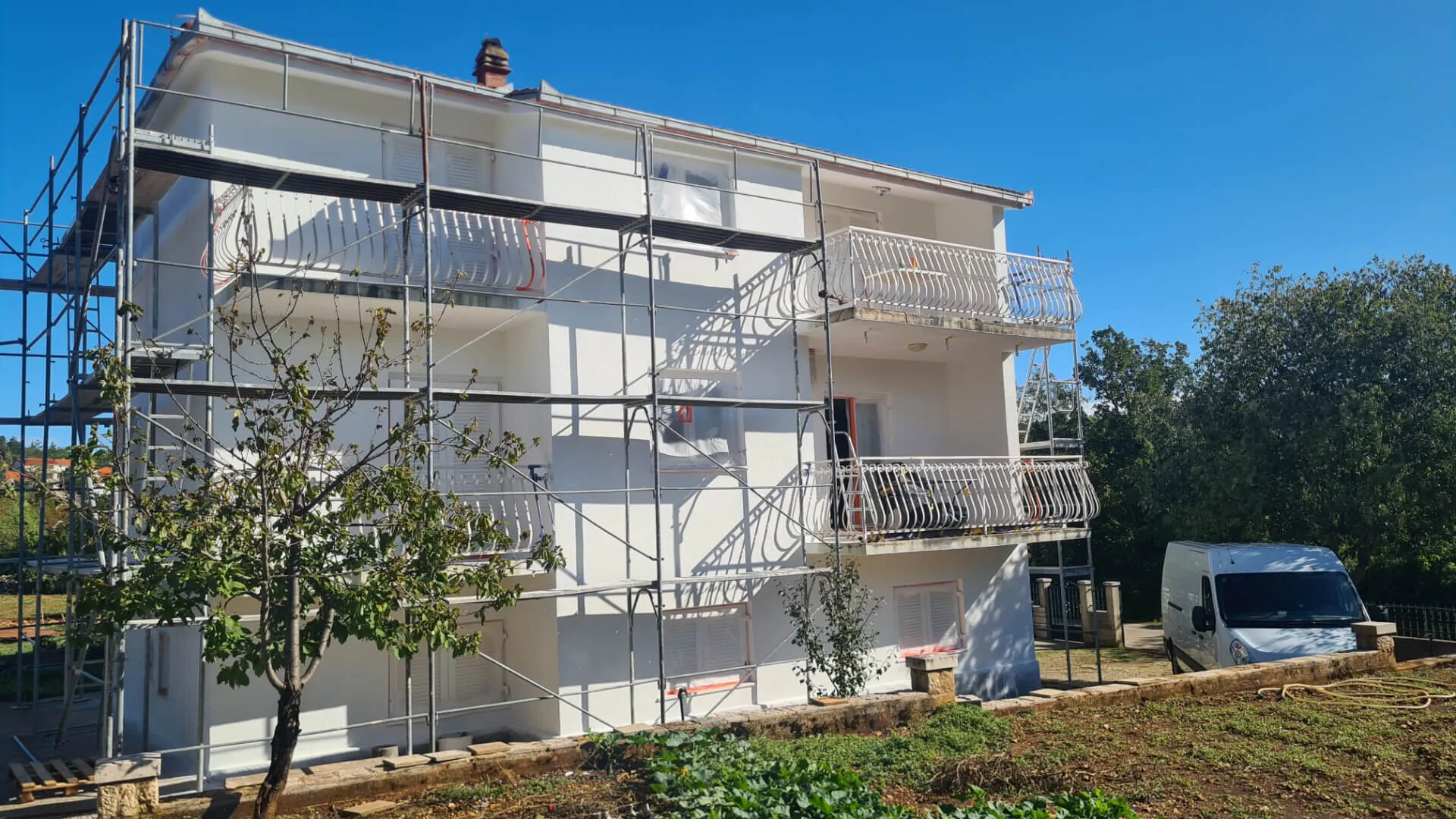
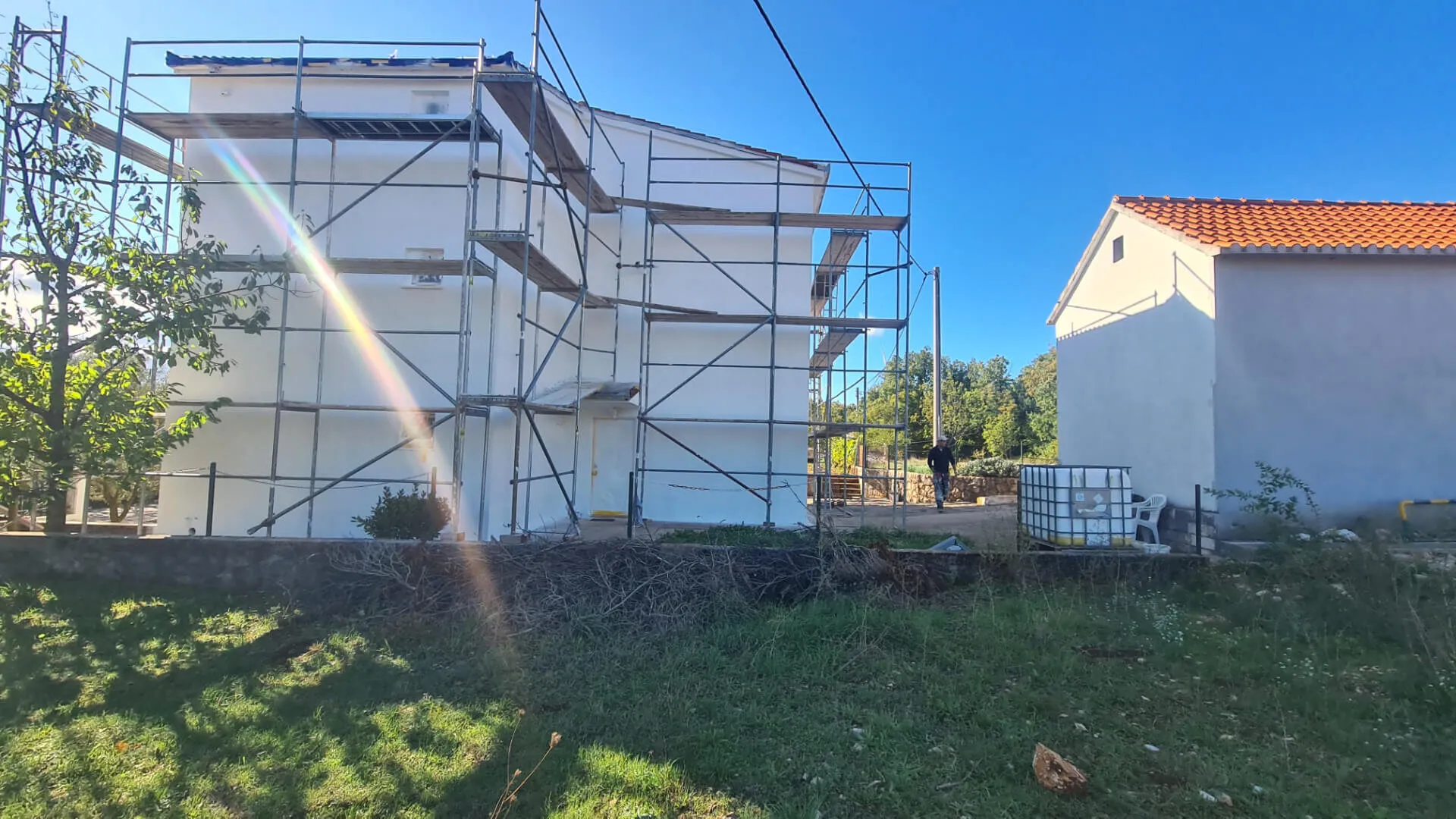
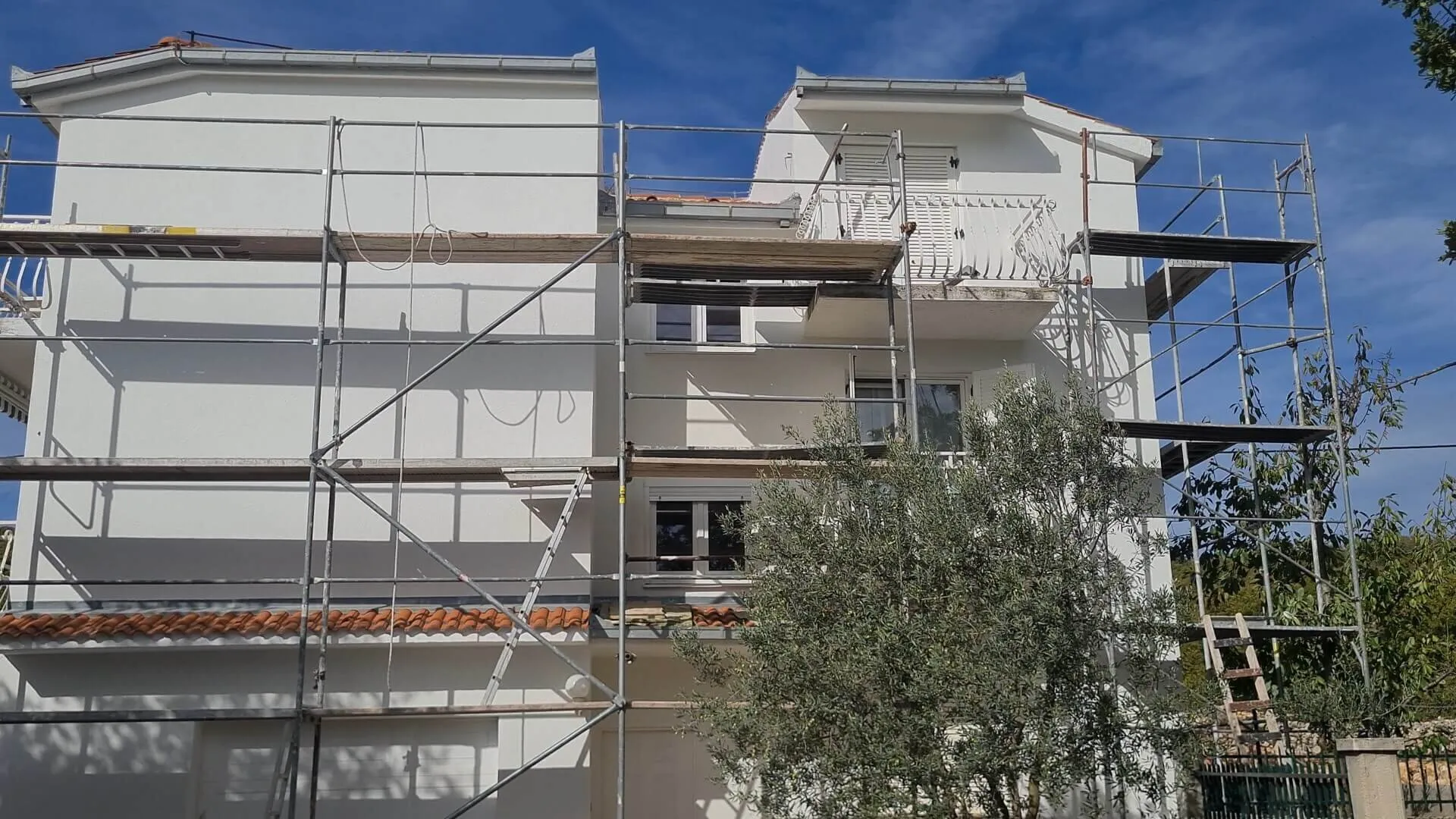
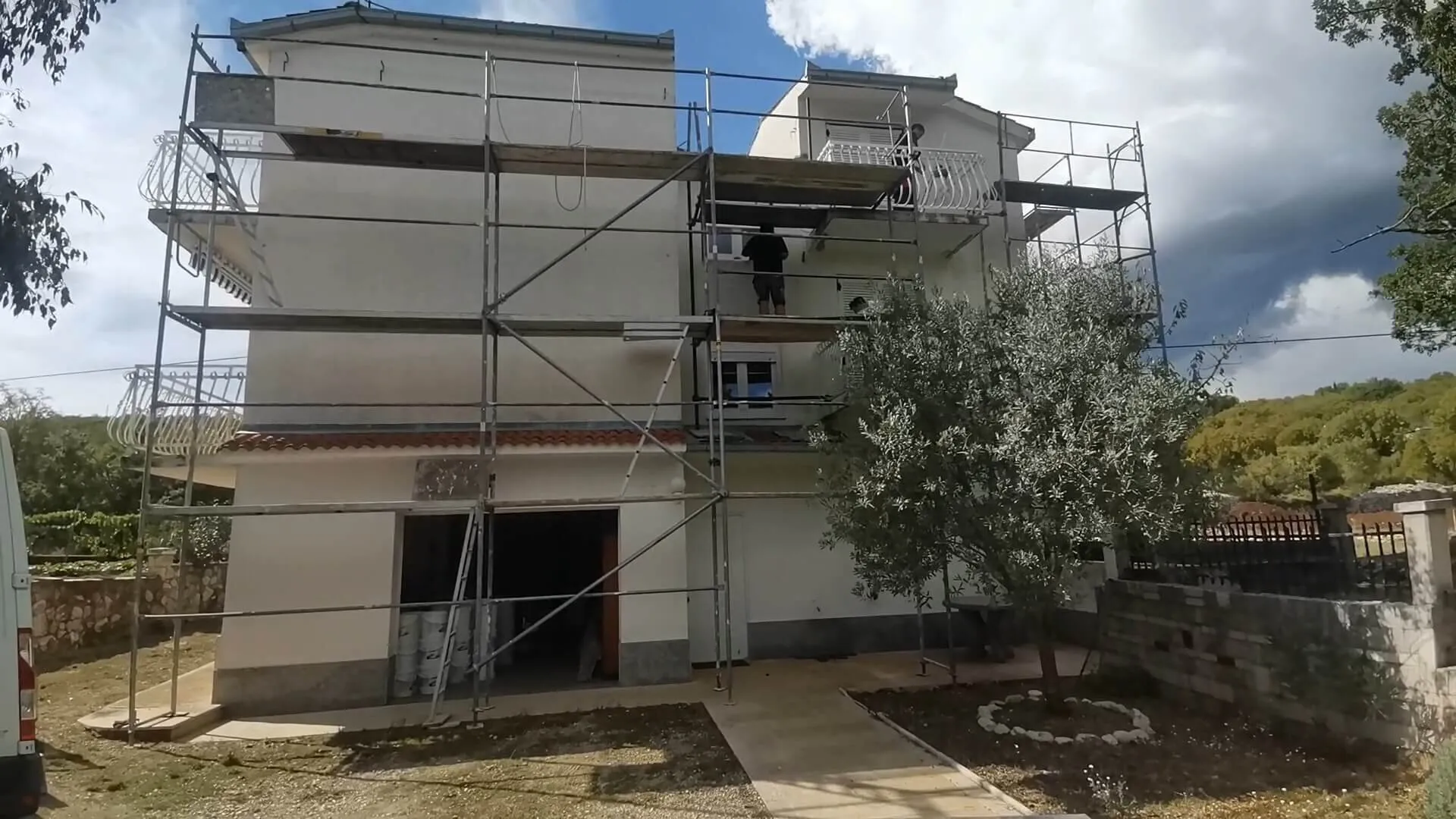
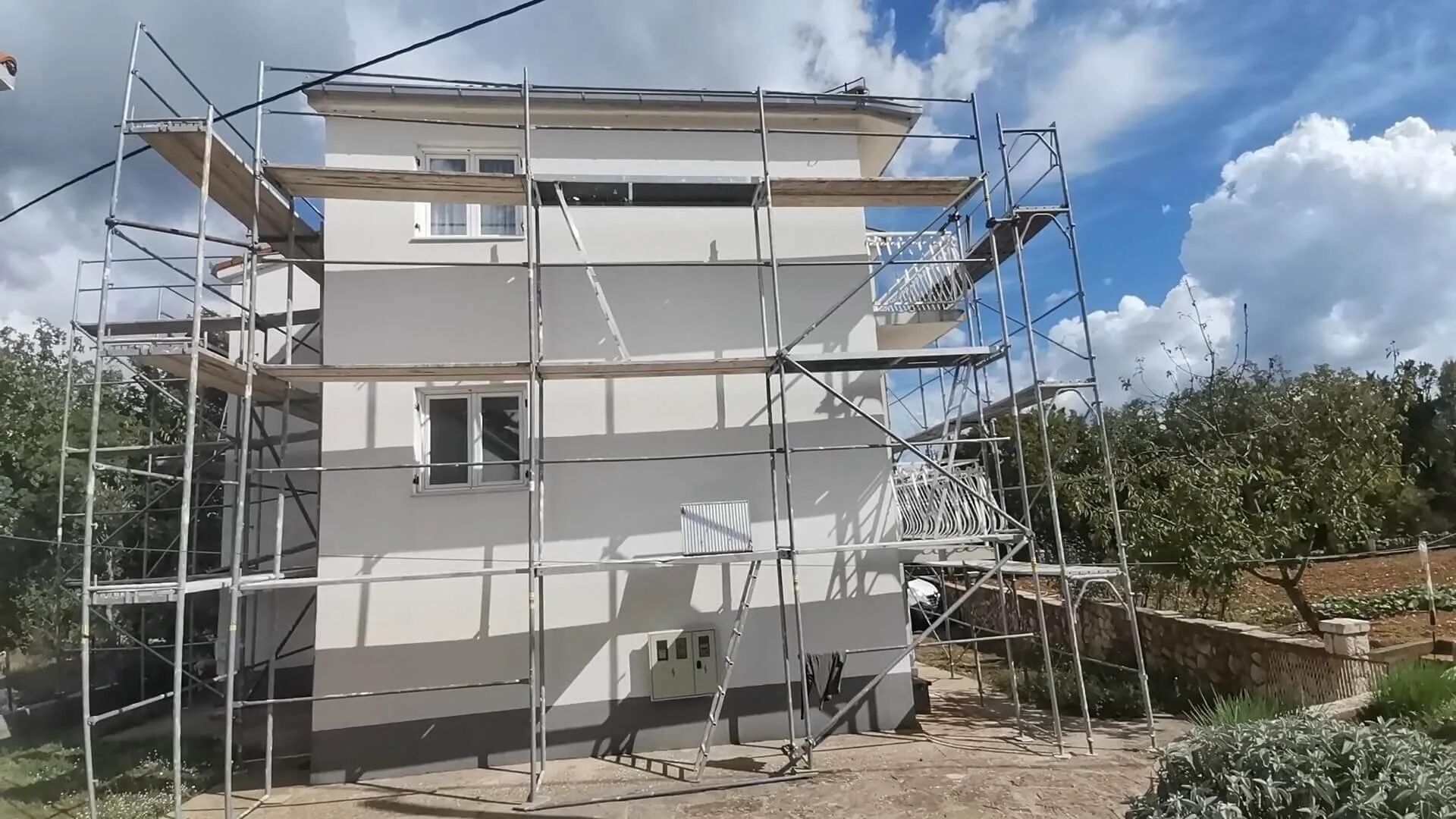
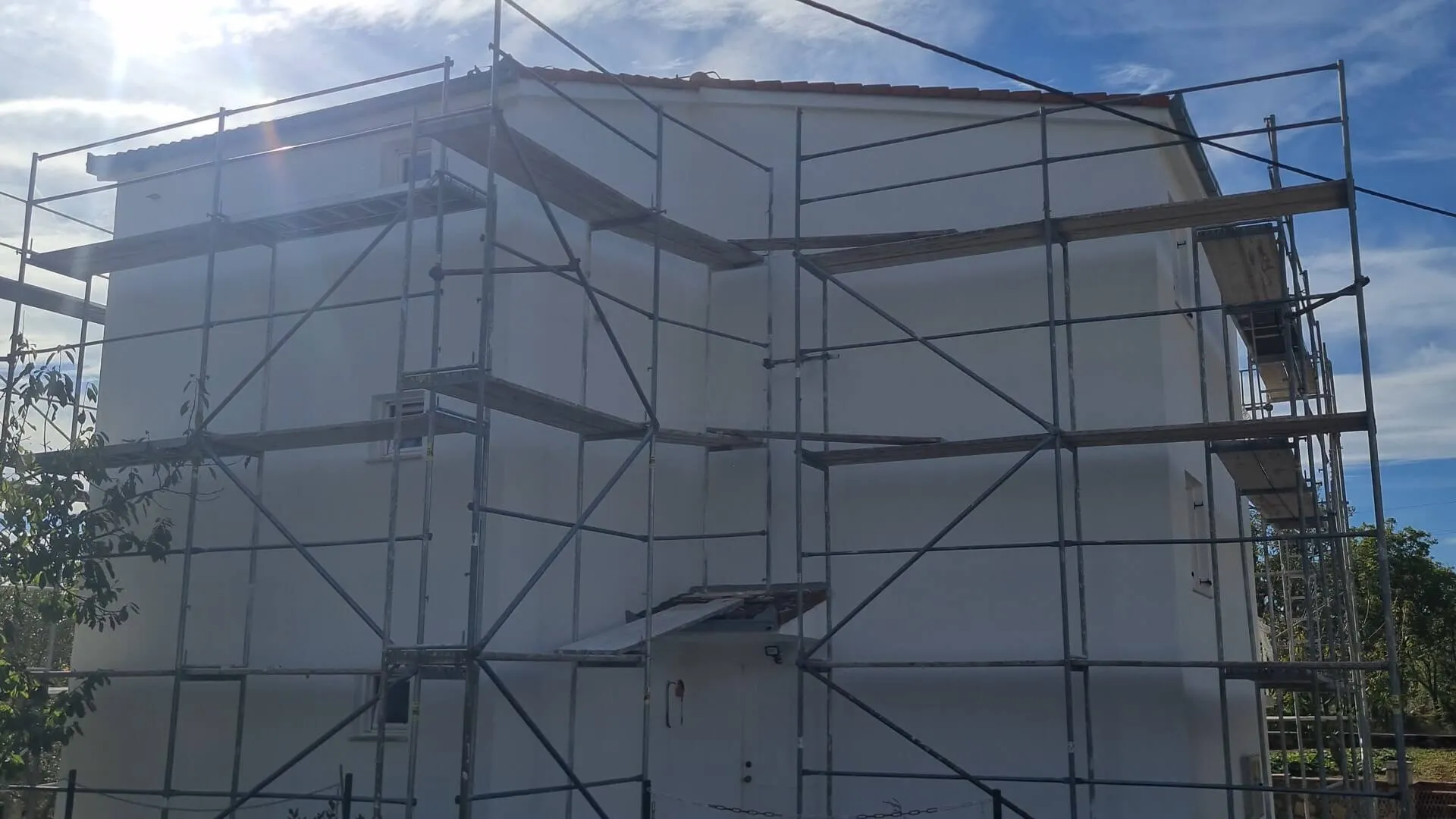
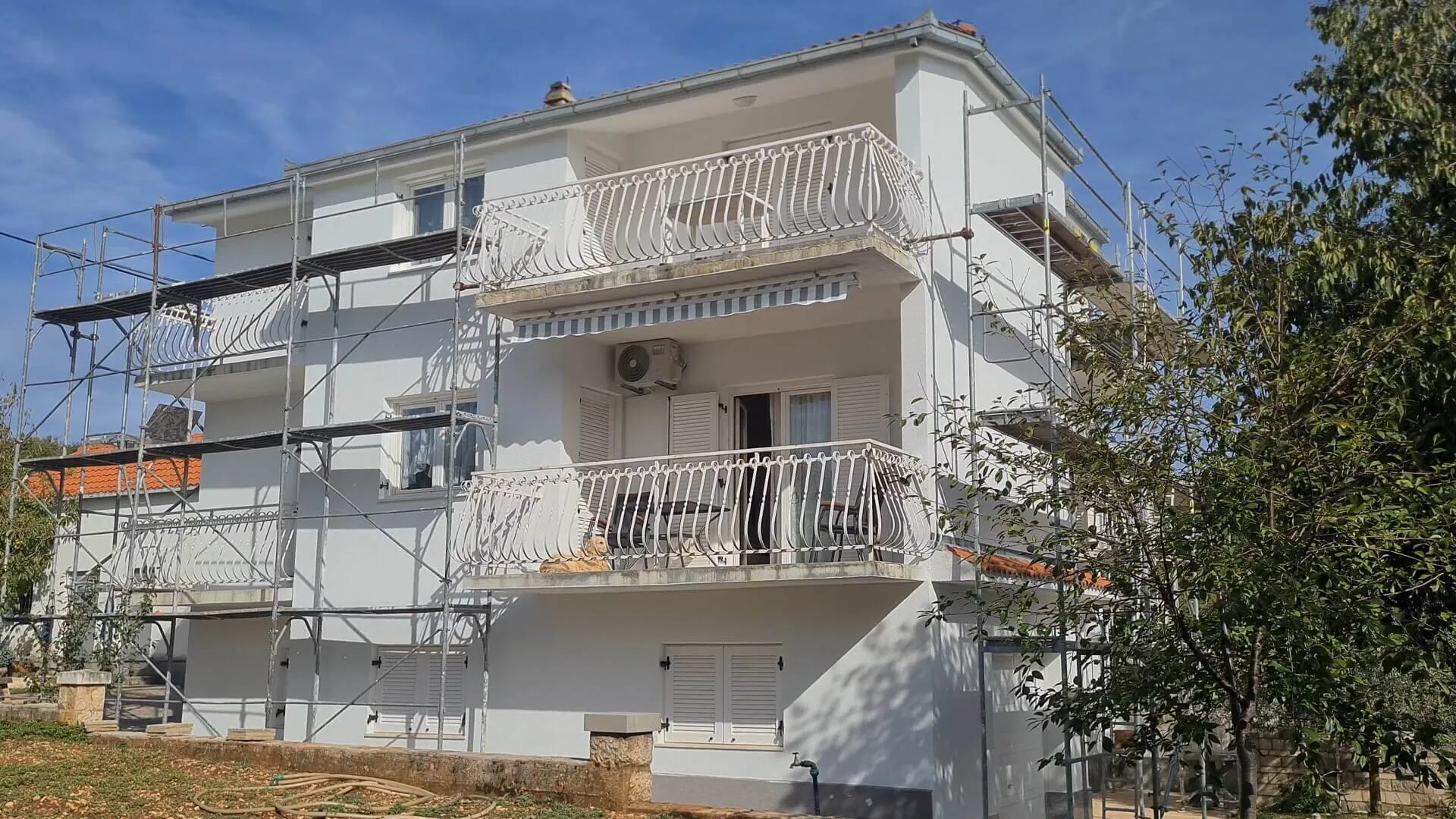
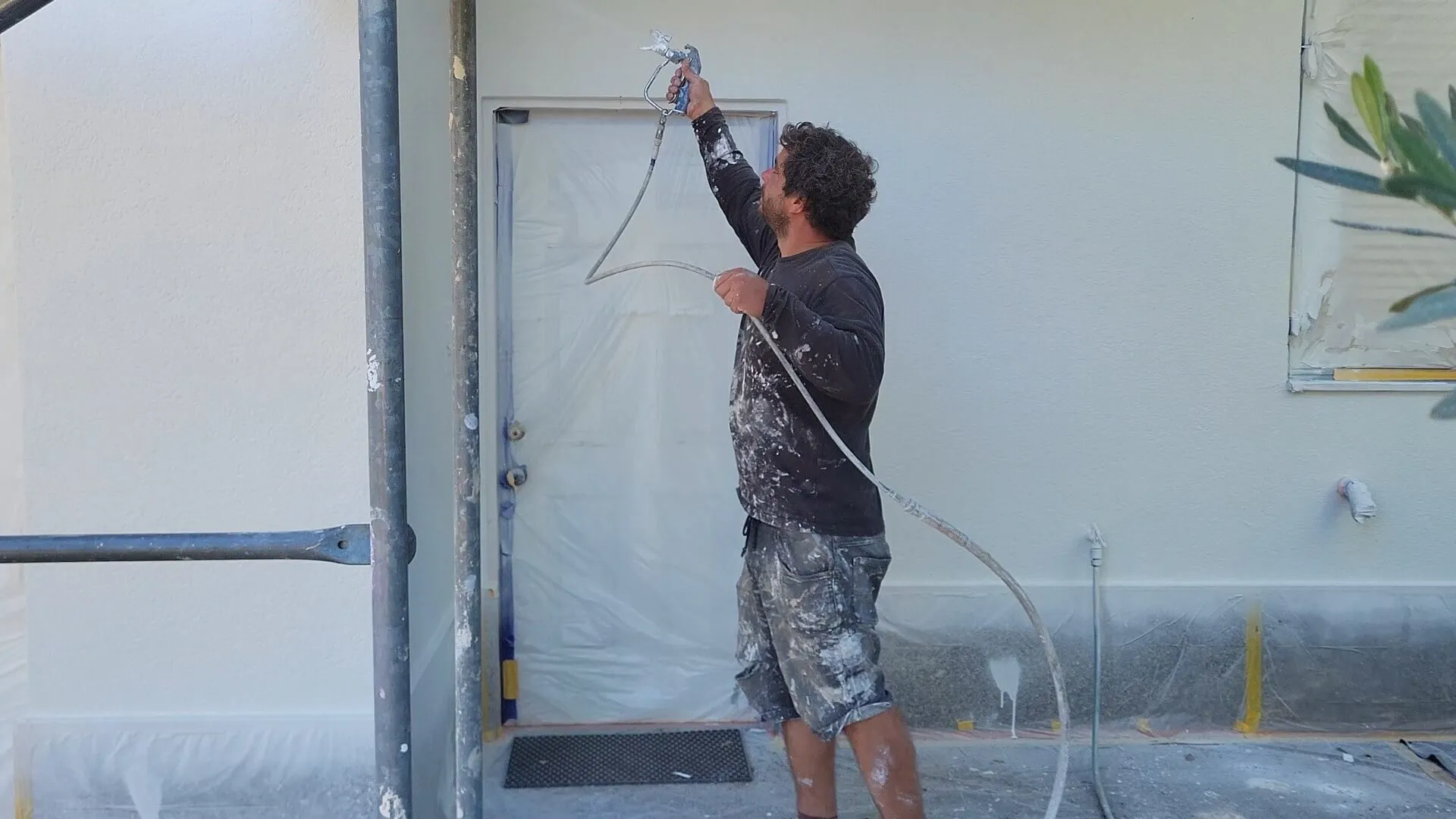
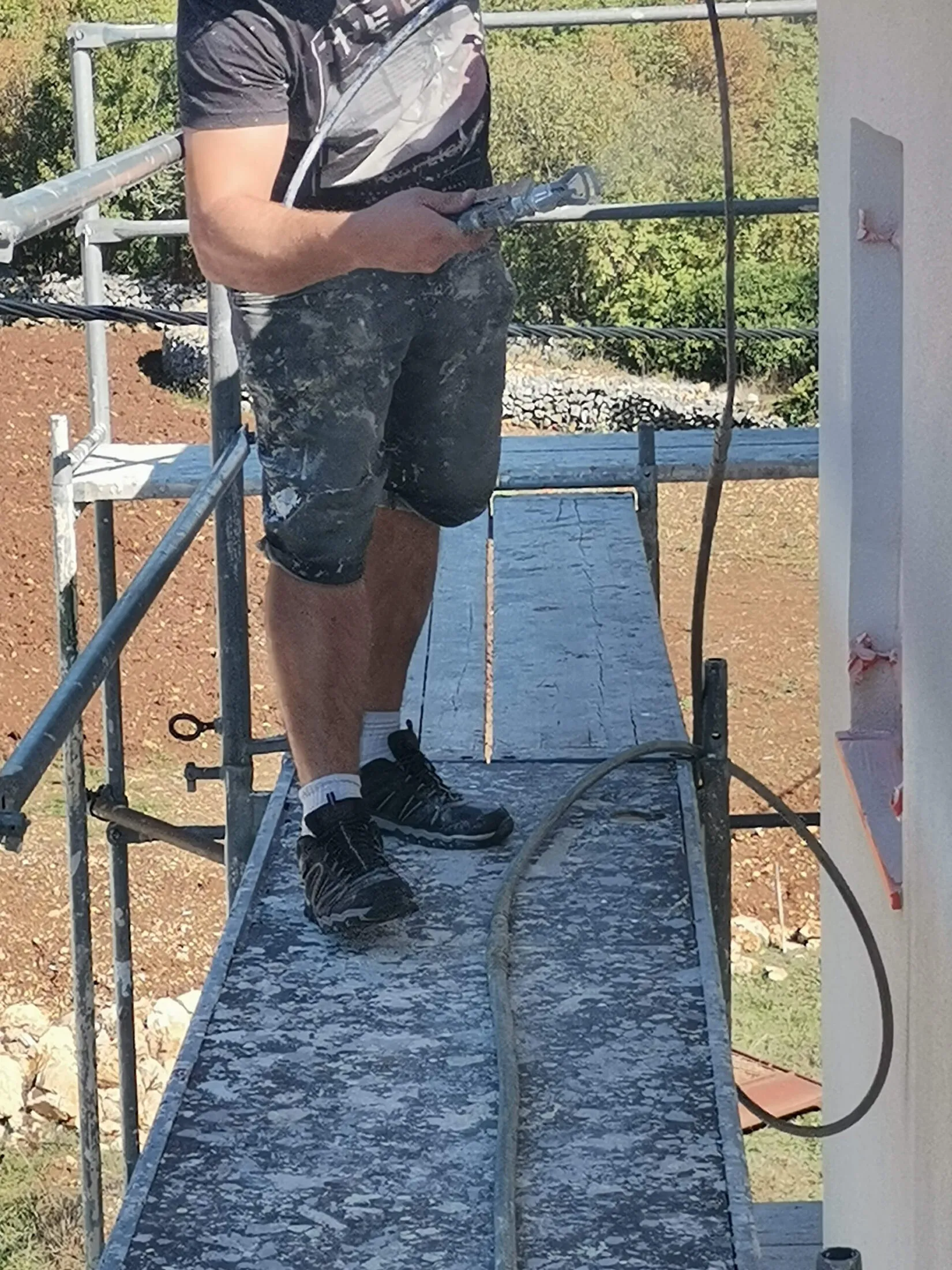
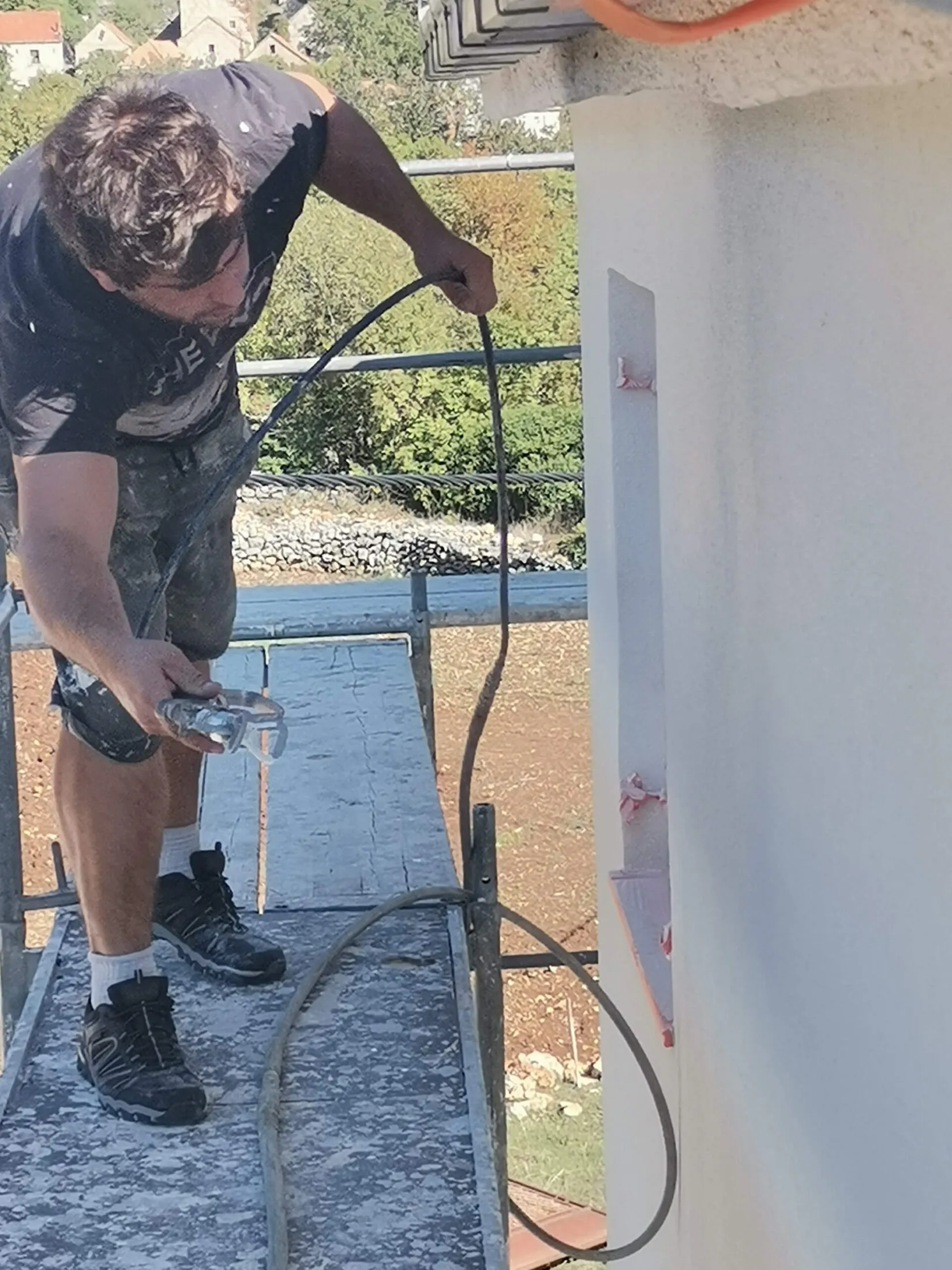
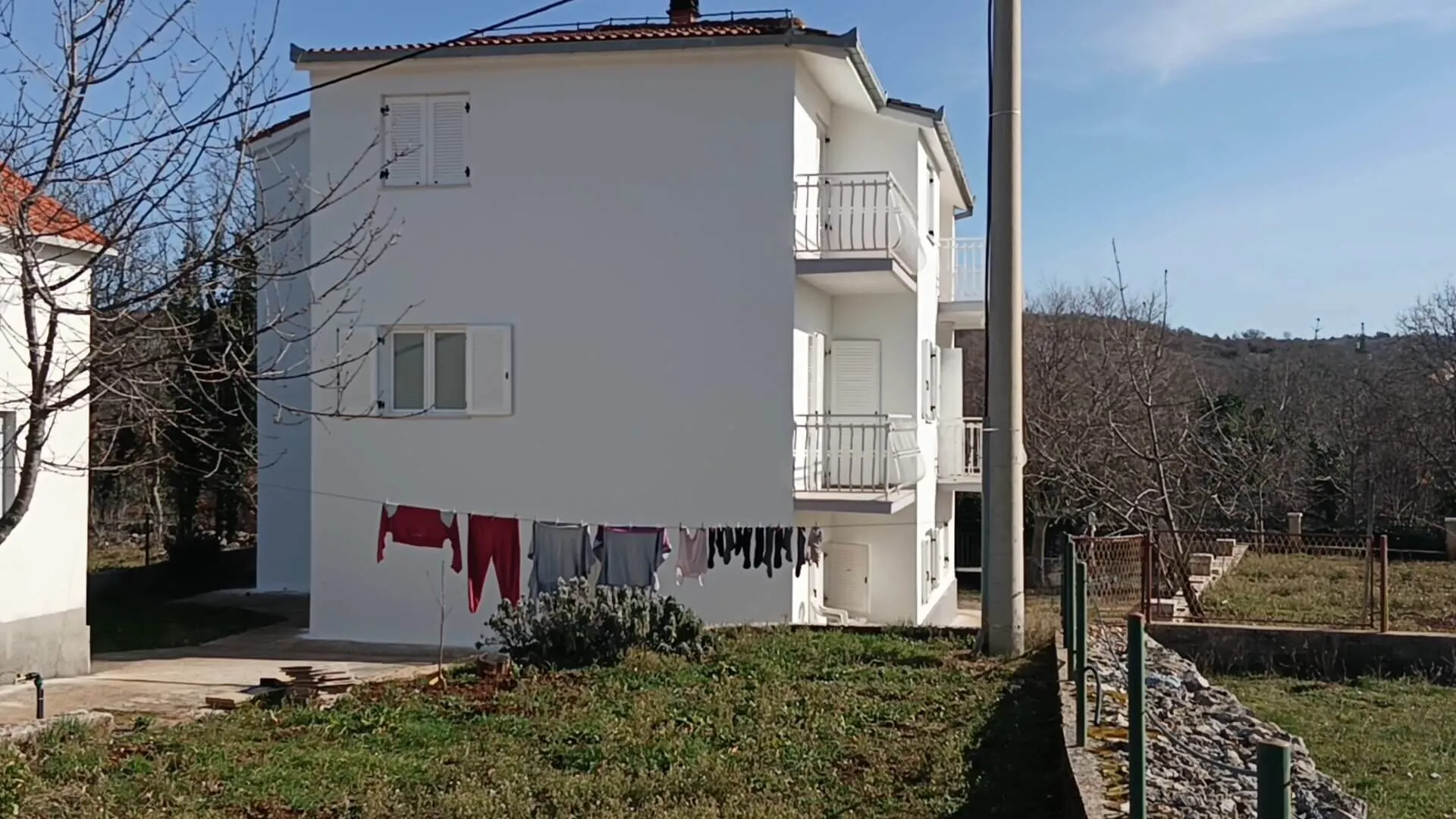
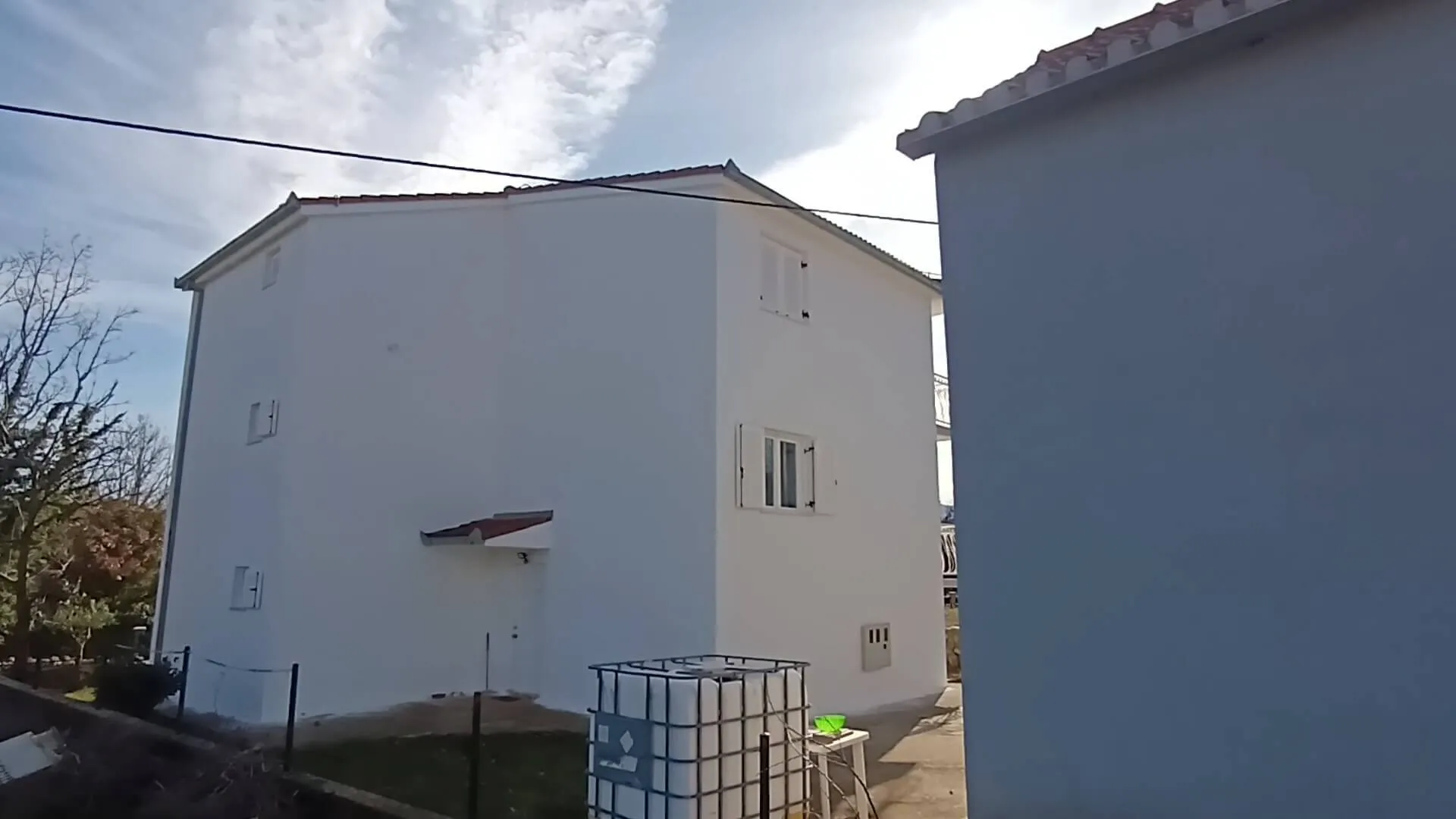
Facade insulation of a house in central Dalmatia
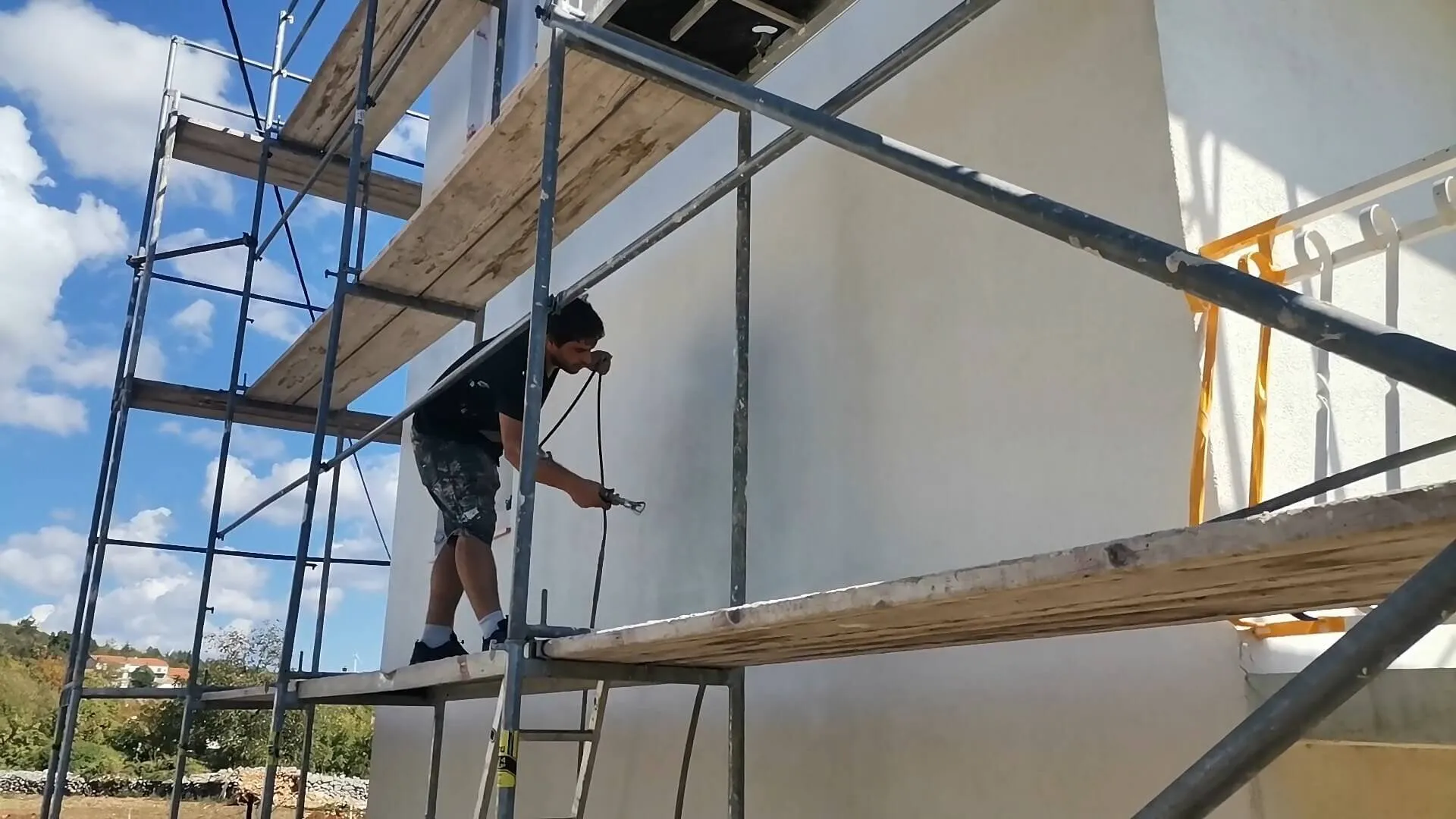
The thermal insulation of the facade of a family house in central Dalmatia has been completed. Polymer micro-ceramic thermal insulation was applied to the existing facade with a surface area of 380 m². Bronya Facade, with a 2 mm thick insulating layer in white.